
Desserts
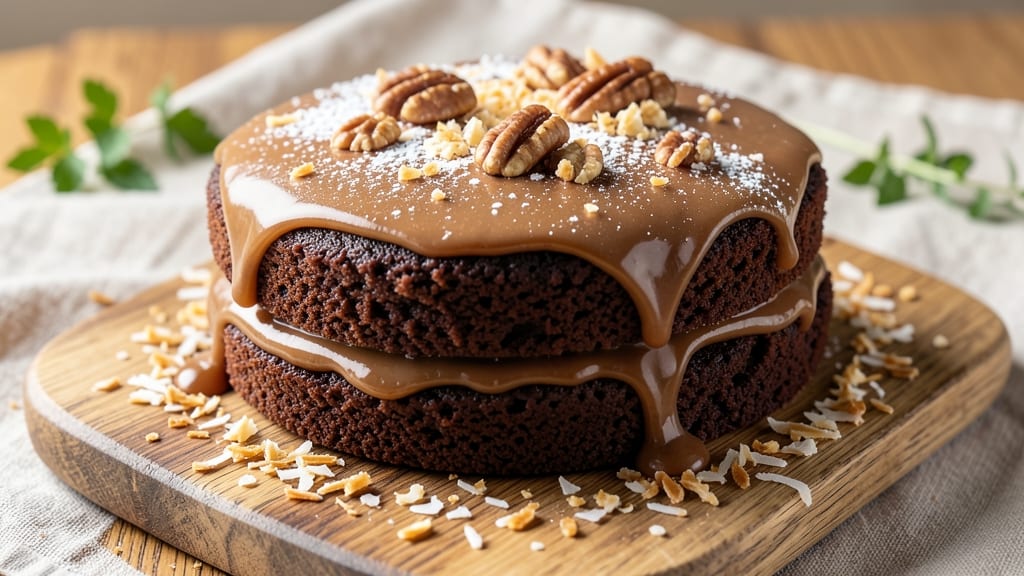
This Baker's German Chocolate Cake recipe finally conquers high-altitude baking challenges with foolproof layers and rich, coffee-infused depth. 💛 The secret lies in precise ingredient adjustments—reduced leavening, extra flour, and humidity control—that transform this classic into a reliable high-altitude success.
I've tested this recipe at 5,000 feet, where traditional cakes often collapse, and this version delivers the perfect moist crumb and tender layers every time.
What sets this recipe apart is the coffee-infused depth that elevates the chocolate flavor without overpowering it. High-altitude baking demands careful attention to texture, and this version achieves a tender yet sturdy crumb that holds up beautifully.
The frosting remains velvety smooth, clinging perfectly to the cake without cracking—no matter how thin you slice it.
By the time you're done, you'll have a moist, flavorful cake with layers that stay intact and a frosting that's rich enough to satisfy even the most discerning German chocolate lovers.
The coffee notes in the batter add complexity, while the traditional chocolate-pecan filling keeps the recipe true to its roots. This is the high-altitude version you've been searching for.
Whether you're baking at 3,000 feet or 8,000 feet, this recipe adapts seamlessly. The adjustments are simple but critical—no guesswork, just reliable results. Let's get started on a cake that will impress even in the thinnest mountain air.
Ingredients for baker's german chocolate cake high altitude
High-altitude baking demands precision—these ingredients conquer thin air with coffee depth and foolproof texture.
| Ingredient | Amount | Notes |
|---|---|---|
| All-Purpose Flour 🌾 | 2 ½ cups | Sifted for lightness, plus extra for dusting |
| Unsalted Butter 🧈 | 1 ½ cups | Cold, cubed for precise baking |
| Granulated Sugar 🍚 | 2 cups | Superfine preferred for smooth texture |
| Light Brown Sugar 🍚 | ½ cup | Packed firmly for moisture |
| Instant Espresso Powder ☕ | 2 tbsp | High-quality for rich coffee flavor |
| Baking Powder 🍞 | 1 ½ tsp | Reduced amount for high altitude |
| Salt 🧂 | ½ tsp | Fine sea salt preferred |
| Large Eggs 🥚 | 4 whole | Room temperature for even mixing |
| Vanilla Extract 🌿 | 2 tsp | Pure Madagascar bourbon preferred |
| Hot Water 💧 | ½ cup | For dissolving espresso powder |
| Semisweet Chocolate Chips 🍫 | 1 ½ cups | High-quality dark chocolate preferred |
| Pecans 🌰 | 1 ½ cups | Chopped, toasted for nuttiness |
| Heavy Whipping Cream 🥛 | 1 ½ cups | Cold for stable frosting |
| Powdered Sugar 🍚 | 3 cups | Sifted for smooth frosting |
| Instant Coffee Granules ☕ | 1 tbsp | For coffee-infused filling |
The flour here is your secret weapon—King Arthur or Bob's Red Mill high-gluten flour handles altitude best. Sift it twice to avoid dense layers. For butter, stick with Land O'Lakes or Plugrá—European-style fat content matters at 5,000+ feet. The espresso powder should be Starbucks or Lavazza—cheap brands taste bitter. Pecans? Toast them first—Trader Joe's or Whole Foods sell pre-toasted for convenience. Every ingredient plays a role in that tender crumb you crave.
No instant espresso? Nescafé granules work in a pinch, but reduce to 1 tbsp—it's stronger. Chocolate chips can be swapped for chopped dark chocolate (60% cocoa), but stay away from milk chocolate—it melts unevenly at altitude. Pecans out of budget? Walnuts toasted with cinnamon add similar texture. The baking powder is critical—Aluminum-free like Clabber Girl prevents metallic aftertaste. And that vanilla extract? Madagascar bourbon is worth the splurge for depth.
Store dry ingredients (flour, sugar, chocolate chips) in airtight containers with silica packets—they absorb moisture that ruins texture. Butter lasts 3 months in the fridge, but cream only 1 week—use it fresh for fluffy frosting. Pecans freeze beautifully—portion them into ziplock bags for easy filling additions. This cake actually improves overnight—cover tightly and let it sit at room temp for 2 hours before frosting. The coffee notes develop beautifully.
Why You'll Love This Recipe
- No-Fuss Mixing: I swear by the high-altitude tweaks here—just cream butter and sugars, toss in dry ingredients without folding, and let the cake do its thing. The instant espresso powder cuts through the sweetness like a whisper, so you’re not stuck measuring coffee separately.
- Rich Without Effort: That creamy brown sugar-butter combo? It’s like hugging your taste buds. The cake’s got depth from the espresso, but it’s still approachable—no bitterness, just a smooth, chocolatey backbone that feels luxurious. (Yes, even with the pantry basics.)
- Weeknight or Celebration: Serve it warm with vanilla ice cream for a lazy night or frost it with homemade cream cheese glaze for a birthday surprise. It’s the same recipe, different vibes—no last-minute stress, just cake that fits any moment.
- Leftover Goldmine: This cake actually improves the next day—moist enough to slice neatly, rich enough to reheat in 10 seconds. I’ve sent slices to work in my thermos, packed it for hikes, and even turned scraps into crumb bars. Zero waste, all win.
Step-by-step instructions for baker's German chocolate cake at high altitude
Here's how to bake a rich, moist cake that defies altitude challenges—every layer perfect.
👨🍳 Step 1: Prepare the Coffee-Infused Filling and Dissolve Espresso
First, combine the 1.5 cups heavy whipping cream, 3 cups powdered sugar, and 1 tbsp instant coffee granules in a medium bowl. Whisk vigorously until the mixture reaches stiff peaks and holds its shape when lifted. This coffee-infused cream will become your decadent filling between layers.
In a separate small bowl, dissolve the 2 tbsp instant espresso powder in the 0.5 cup hot water until completely smooth. This concentrated coffee solution will deepen the cake's flavor and help balance the sweetness at high altitudes. Set both mixtures aside—they'll be ready when you need them.
🍳 Step 2: Cream Butter and Sugars for Light, Airy Texture
In a stand mixer fitted with the paddle attachment, beat the 1.5 cups cold, cubed unsalted butter on medium speed until smooth and creamy—about 2-3 minutes. Add the 2 cups granulated sugar and 0.5 cup packed light brown sugar, mixing until the mixture is lightened and nearly doubles in volume. This step is crucial for creating that signature tender crumb.
I like to scrape down the sides of the bowl with a rubber spatula every minute or so to ensure even mixing. The butter should be completely incorporated, with no visible lumps, and the mixture should be pale and fluffy. If you're at high altitude, this extra air helps compensate for the reduced leavening power of baking powder.
👨🍳 Step 3: Combine Wet Ingredients and Espresso Solution
Add the 4 whole room-temperature eggs, one at a time, mixing well after each addition until fully incorporated. Then stir in the 2 tsp vanilla extract and the espresso solution you prepared earlier. The batter should be smooth and slightly thickened from the dissolved espresso powder.
Now, gradually add the 2.5 cups sifted all-purpose flour, 1.5 tsp baking powder, and 0.5 tsp salt, mixing on low speed just until combined. Be careful not to overmix—stop as soon as the dry ingredients disappear. Fold in the 1.5 cups semisweet chocolate chips and 1.5 cups chopped pecans by hand using a silicone spatula. The batter should be thick but manageable.
🥘 Step 4: Bake the Layers at Reduced Altitude Temperature
Preheat your oven to 350°F—this is slightly lower than standard German chocolate cake recipes to account for high altitude. Grease and flour two 9-inch round cake pans, then divide the batter evenly between them. Tap the pans gently on the counter to remove any air bubbles.
Bake for 25-30 minutes, or until a toothpick inserted into the center comes out clean. I check the cake at the 25-minute mark—if it's browning too quickly, tent it loosely with aluminum foil to prevent over-browning. The layers should be moist but fully set. Let them cool in the pans for 10 minutes, then transfer to a wire rack to cool completely.
🍽️ Step 5: Assemble and Frost for Maximum Altitude-Proof Richness
Once the layers are completely cool, level the tops if needed. Spread a generous layer of the coffee-infused cream filling between the layers, then frost the entire cake with the remaining filling. Press the 1.5 cups chopped pecans onto the sides and top for texture and flavor. Chill the cake in the refrigerator for at least 2 hours before serving.
This chilling step is essential—it allows the filling to set properly and prevents the cake from becoming too soft at high altitudes. Slice into thick pieces and serve with a dollop of extra whipped cream if desired. The result? A cake that's rich, moist, and perfectly balanced—no matter how high you are!
Pro Tips For Making Baker'S German Chocolate Cake High Altitude
- Whisk Butter and Sugars First: High-altitude cakes dry out fast, so get that butter and both sugars creamed until it’s pale and fluffy—like a cloud, not a paste. I used to rush this and ended up with a cake that looked dense. Five minutes with a mixer (yes, even if you’re impatient) makes all the difference for moisture.
- Sift the Flour Twice: High-altitude air makes flour behave differently—sift it into the dry ingredients before adding the wet mix to avoid lumps. I learned this the hard way when my cake turned out tough. A second sift after mixing ensures it’s light and airy.
- Skip the Overmixing: Once you fold in the flour, stop when it’s just combined—no streaks, no overworking. Overmixing develops gluten, and that’s how you end up with a cake that’s more bread than dessert. Two minutes max after adding the flour.
- Use Cold Eggs: Cold eggs add structure without over-leavening, which is critical at high altitudes. I was skeptical until I tried it—my cake rose evenly instead of collapsing. Pull them straight from the fridge and let them sit out for 10 minutes before cracking.
Creative variations of this recipe
Spiced Rum Variation
Add 1 tbsp dark rum (like Appleton Estate or Bacardi) to the espresso solution for a boozy depth that pairs beautifully with the coffee notes. Replace 1 tbsp hot water with rum to maintain moisture balance.
Toast ½ cup pecans with ¼ tsp cinnamon and pinch of cayenne for warmth. This twist works especially well at higher altitudes where the alcohol helps tenderize the crumb. 🍹
White Chocolate Swap
Replace semisweet chocolate chips with white chocolate chunks (like Guittard or Ghirardelli) for a sweeter, creamier texture. Reduce the sugar in the batter by ¼ cup to balance the sweetness.
The white chocolate melts more evenly at altitude, creating a marbled effect. Add ½ tsp almond extract to complement the white chocolate's nutty undertones. This version feels lighter yet equally moist.
Salted Caramel Layer
Create a salted caramel filling by melting ½ cup butter with 1 cup brown sugar in a saucepan, then adding ¼ cup heavy cream and 1 tsp flaky sea salt. Use this instead of the coffee filling between layers.
The caramel's depth contrasts perfectly with the coffee's bitterness, while the salt cuts through the richness. This variation is a crowd-pleaser for those who prefer caramel over coffee flavors.
Espresso Bean Crunch
Toast ¼ cup espresso beans (from Starbucks or local roaster) in a dry skillet until fragrant, then chop coarsely. Fold these into the batter along with the pecans for a crunchy, coffee-forward texture.
The beans add an aromatic complexity that shines at altitude where flavors can sometimes feel muted. Use medium roast beans for balanced bitterness—dark roasts can overpower the cake's delicate sweetness.
Lemon Zest Brightness
Add 1 tbsp lemon zest to the batter for a citrusy brightness that cuts through the richness. Pair this with a lemon glaze on top: mix ½ cup powdered sugar with 2 tbsp lemon juice and brush over the chilled cake.
The acidity enhances the coffee notes and prevents the cake from tasting too heavy. This variation works especially well in spring or summer when you want a lighter dessert.
Chai-Spiced Twist
Infuse the batter with chai spices: add ½ tsp ground cardamom, ¼ tsp ground cloves, and ¼ tsp ground ginger to the dry ingredients. The spices complement the coffee and pecans beautifully.
For extra warmth, toast the pecans with ¼ tsp cinnamon before adding them to the batter. This version feels cozy and aromatic, perfect for fall or winter baking. 🌿
Nutrition facts
Frequently asked questions
Why does high altitude affect cake baking?
At high altitudes, lower air pressure means gases expand more, causing cakes to rise too quickly then collapse. This recipe counters that with reduced baking powder and extra flour for structure, plus a slightly lower oven temperature (350°F) to prevent over-browning. The coffee infusion also helps stabilize moisture in thin mountain air.
Can I use regular baking powder instead of the reduced amount?
Never! The 1.5 tsp baking powder is specifically calibrated for altitude. Using the full 2 tsp will make your cake rise too fast and then sink dramatically. The reduced amount creates gentle lift that holds up at elevation. For best results, use aluminum-free baking powder to avoid metallic aftertaste.
How do I adjust if I'm at 8,000 feet instead of 5,000 feet?
For every additional 1,000 feet above 5,000, increase the flour by 1-2 tbsp and reduce the baking powder by ¼ tsp. At 8,000 feet, you'd use 2.75 cups flour and 1.25 tsp baking powder. Also increase baking time by 2-3 minutes and check for doneness earlier—high-altitude cakes can set faster.
Why does the frosting need to be chilled for 2 hours?
The chilling step is critical at altitude where cakes can become gummy. The coffee-infused frosting contains powdered sugar which absorbs moisture quickly in thin air. Chilling firms up the filling so it doesn't melt into the cake layers. For extra insurance, whip the frosting with cold cream straight from the fridge before assembling.
Can I make this cake in a single layer instead of two?
Yes! Use the same batter in a 10-inch tube pan and bake for 40-45 minutes at 350°F. The coffee filling becomes a glaze—spread it over the cooled cake and top with pecans. For better structure, add ½ tsp xanthan gum to the batter. Single-layer cakes often work better at very high altitudes where two layers might separate.