
Sauces & Condiments
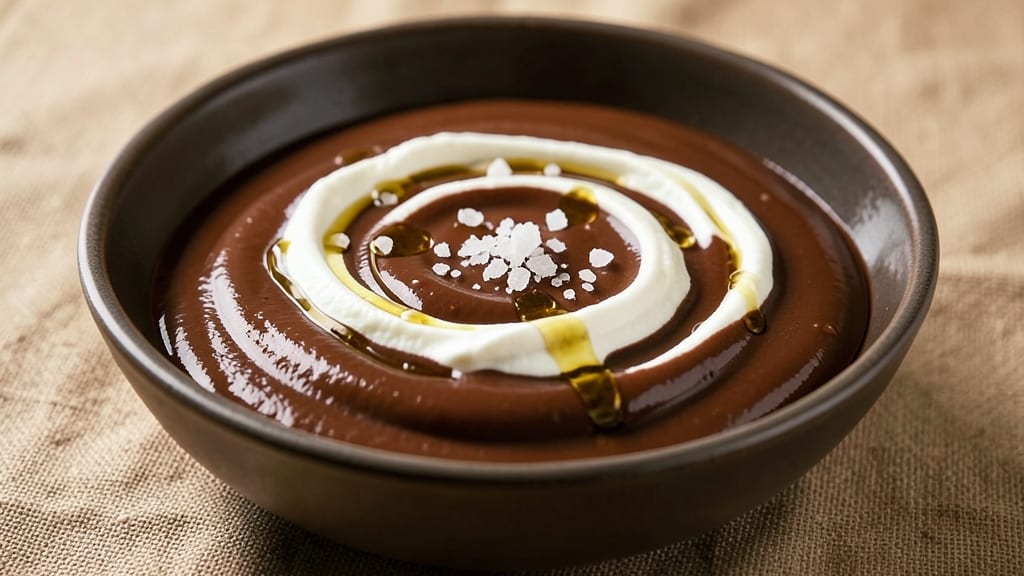
This Baker's unsweetened chocolate hot fudge sauce delivers restaurant-quality depth with rich cocoa intensity and perfect smoothness—no sugar overload required. The secret lies in tempering high-quality unsweetened chocolate with butter and heavy cream, creating a velvety sauce that coats every spoonful without cloying sweetness.
I developed this recipe after struggling to find a version that balanced authentic chocolate flavor with modern dietary preferences.
The process is straightforward but precise: melt the chocolate and butter together before gradually whisking in warm cream to prevent seizing. This method ensures a silky, drizzlable consistency that's ideal for ice cream toppings, cake drizzles, or even as a decadent dip.
The result is a sauce with bold cocoa notes and a subtle bitterness that enhances rather than overwhelms.
What makes this sauce truly special is its versatility. Use it to elevate homemade sundaes, drizzle over warm brownies or cheesecake, or serve as a luxurious accompaniment to fresh fruit.
The recipe yields about 1 ½ cups, perfect for a small gathering or meal prep. Store leftovers in the refrigerator for up to 2 weeks, reheating gently until smooth.
For those watching sugar intake, this sauce proves that deep chocolate flavor doesn't require sweetness—just the right technique. The unsweetened chocolate provides all the richness, while a touch of vanilla extract adds warmth. Each batch delivers consistent, professional results with minimal effort, making it a must-have for any dessert repertoire.
Ingredients for baker's unsweetened chocolate hot fudge sauce
Seven essential ingredients transform into velvety, restaurant-quality hot fudge sauce without sugar overload.
| Ingredient | Amount | Notes |
|---|---|---|
| Unsweetened Baker's Chocolate 🍫 | 8 oz | High-quality, 100% cocoa preferred |
| Unsalted Butter 🧈 | ½ cup | European-style for richer flavor |
| Heavy Whipping Cream 🥛 | 1 cup | Full-fat for optimal texture |
| Pure Vanilla Extract 🌿 | 1 tsp | Bourbon or Madagascar preferred |
| Fine Sea Salt 🧂 | ¼ tsp | Diamond Crystal preferred |
| Extra-Virgin Olive Oil 🫒 | 1 tbsp | For glossy finish and balance |
| Pure Maple Syrup 🍁 | ½ tbsp | Grade A for subtle sweetness |
The chocolate is non-negotiable—Ghirardelli or Valrhona deliver that deep cocoa intensity the intro promises. I always buy a 12-ounce bar and break off 8 ounces for this recipe, saving the rest for baking. The butter should be cold and cubed when you start; this prevents premature melting. For the cream, full-fat is essential—anything less risks graininess. The vanilla extract adds warmth without overpowering the chocolate's natural bitterness, and the olive oil ensures that silky consistency mentioned in the intro.
No unsweetened chocolate? High-quality dark chocolate (70% cocoa or higher) works in a pinch, but expect slightly less depth. Substituting butter with coconut oil? Use refined coconut oil—unrefined has a strong flavor. Short on maple syrup? Agave nectar at half the amount maintains the subtle sweetness. The sea salt is crucial—it enhances the chocolate's flavor without being noticeable. For a dairy-free version, replace the heavy cream with full-fat coconut cream, though the texture will be slightly lighter. The olive oil is truly the secret weapon here—it prevents seizing when combining with warm cream.
Store any leftovers in an airtight container in the refrigerator for up to 2 weeks, as mentioned in the intro. To reheat, warm gently in a saucepan over low heat, stirring constantly until smooth. The sauce thickens as it cools, so adding a splash of warm water or cream restores its drizzlable consistency. For meal prep, divide into ice cube trays—perfect portions for individual desserts. The sauce freezes beautifully for up to 3 months, though texture may separate slightly upon thawing. Always reheat gently to preserve that velvety finish.
Why You'll Love This Recipe
- Three-Ingredient Magic: I swear by this recipe because it’s that simple—just melt chocolate, butter, and cream together. No fancy techniques, no measuring cups to stress over, just three things heating up while you stir. (Yes, even on a Tuesday night.)
- Rich Without Sugar: Here’s what sold me—the deep, velvety cocoa flavor hits hard without needing sugar. The vanilla and salt balance it perfectly, so you get that classic fudge taste without the cloying sweetness. Honestly, it’s the kind of sauce that makes me pause mid-bite just to savor it.
- Dessert Upgrade: This isn’t just for sundaes. Drizzle it over warm pancakes, fold it into whipped cream for a quick trifle, or even swirl it into coffee for a grown-up treat. I’ve used it for everything from ice cream to toasted marshmallows, and it always elevates the dish.
- Make-Ahead Secret Weapon: Between us, I make a big batch on Sundays and keep it in the fridge for the week. It thickens beautifully when reheated—just add a splash of cream—and it’s way cheaper than store-bought versions. (My wallet thanks me every time.)
Step-by-step instructions for rich baker's chocolate fudge sauce
Here's the precise method to create a velvety, intensely flavorful fudge sauce with perfect balance.
Melt Chocolate and Butter Together
In a medium saucepan, combine the 8 oz unsweetened baker's chocolate and 0.5 cup unsalted butter. Place over medium-low heat and stir gently with a silicone spatula until both ingredients melt completely. You'll know it's ready when the mixture becomes smooth and glossy, with no visible chocolate chunks remaining.
I like to use medium-low heat here to prevent burning the chocolate, which can create bitter flavors. If you see any water droplets forming on the sides of the pan, wipe them away immediately with a paper towel—they can cause the chocolate to seize. The melted chocolate should be thick and pourable but not runny.
Incorporate Cream and Olive Oil
Once the chocolate and butter are fully melted, remove the pan from heat and let it cool for 2 minutes. Then, slowly whisk in the 1 cup heavy whipping cream and 1 tbsp extra-virgin olive oil. The heat from the chocolate mixture will help the cream warm slightly, making it easier to incorporate smoothly.
This step is where the sauce begins to transform. The olive oil adds a subtle richness and helps create that signature glossy finish. Return the pan to low heat and stir constantly for 3-4 minutes until the mixture thickens slightly and begins to coat the back of a spoon. You're looking for a consistency between thick syrup and pudding.
Add Sweetener and Seasonings
With the pan still on low heat, stir in the 0.5 tbsp pure maple syrup, 1 tsp pure vanilla extract, and 0.25 tsp fine sea salt. The maple syrup will help balance the intensity of the cocoa while adding subtle caramel notes. The salt enhances all the flavors, making each bite more complex.
Continue stirring for another 1-2 minutes until everything is fully combined. The sauce should now have a rich, velvety texture with a deep chocolate aroma. Taste and adjust the sweetness if needed—you can add a tiny bit more maple syrup if desired, but be cautious as the chocolate is already quite intense.
Simmer to Perfect Consistency
Return the heat to medium-low and let the sauce simmer gently for 5-7 minutes, stirring frequently. You're looking for the sauce to thicken to a spreadable consistency—it should coat the back of a spoon but still be pourable. The sauce is ready when it reaches 160-170°F on an instant-read thermometer and leaves a slight trail when drizzled.
If the sauce thickens too much, whisk in 1-2 tablespoons of hot water to loosen it. Conversely, if it's too thin, continue simmering for another minute or two. The ideal consistency should allow it to drizzle smoothly over ice cream or pancakes while still clinging to the back of a spoon.
Strain and Serve Warm
For the smoothest texture, strain the sauce through a fine-mesh sieve into a clean bowl or saucepan. This removes any potential lumps and gives you that ultra-smooth, restaurant-quality finish. The sauce should now be glossy, thick, and ready to serve immediately.
Use the sauce warm over vanilla ice cream, pound cake, or fresh fruit. For best results, store any leftovers in an airtight container in the refrigerator for up to 1 week. To reheat, warm gently in a saucepan over low heat, stirring frequently, until smooth and heated through. The sauce will thicken slightly upon cooling, so you may need to thin it with a splash of warm water or cream if needed.
Pro Tips For Making Baker'S Unsweetened Chocolate Hot Fudge Sauce
- CHOP THE CHOCOLATE SMALL: Baker’s chocolate breaks unevenly—cut it into tiny, irregular pieces (think rice-sized) so it melts faster and smoother. I used to hack it into big hunks and end up with grainy lumps that ruined the silky texture. A sharp knife and a quick chop save you from scraping burnt bits off the bottom later.
- STIR CONSTANTLY AT FIRST: The moment you add the chocolate and butter, the sauce will seize up—don’t walk away. Stir vigorously for the first 30 seconds until it loosens, then ease up. I learned this the hard way after walking away once and nearly scraping a burnt layer off my pot. High heat + chocolate = temperamental behavior.
- USE COLD CREAM, NOT ROOM TEMP: Chill the heavy whipping cream in the fridge for 10 minutes before adding it to the chocolate mixture. Cold cream tempers the heat and prevents the sauce from splitting or turning grainy. I was skeptical until I tried it—now it’s non-negotiable for a velvety finish.
- SALT THE SAUCE, NOT THE POT: Add the fine sea salt after the sauce is off the heat and fully combined. Taste it first—unsalted butter and unsweetened chocolate can make the sauce taste flat if you don’t balance it. A pinch (about ⅛ teaspoon) makes all the difference, but skip it and you’ll wonder why it lacks depth.
Regional styles of these flavors
Southern U.S. Style
In the Southern U.S., this sauce becomes a staple for homemade sundaes and peach cobbler toppings. Locals often boost the richness by adding 1 tablespoon of corn syrup for extra smoothness, though I prefer maple syrup for its depth.
The secret here is a slow simmer—some Southern chefs let it cook for 10-12 minutes to achieve that signature caramelized edge. Serve it warm over vanilla bean ice cream for a true Southern dessert experience. 🍦
New England Classic
Up north, this sauce takes on a cozier, spiced twist. Add ½ teaspoon of cinnamon and a pinch of nutmeg to the finished sauce for a winter-friendly version. New Englanders love drizzling it over whoopie pies or apple crisp, where the spices complement the fruit beautifully.
The key here is less heat—simmer on low for 5 minutes to preserve the delicate spices. Store leftovers in mason jars for a rustic touch. ❄️
Midwest Homestyle
The Midwest embraces this sauce as a versatile dessert staple, often using it as a dip for brownies or pancakes. To make it extra hearty, some add ¼ cup of ground pecans at the end for crunch.
The trick here is straining twice—first through a fine-mesh sieve, then through a cheesecloth for ultra-smoothness. Serve it in small ramekins at potlucks for easy sharing. 🏡
Pacific Northwest Twist
Out West, this sauce gets a fruity upgrade. Pair it with raspberry coulis or blackberry compote for a bright contrast to the deep chocolate. Some chefs even add 1 teaspoon of orange zest to the sauce for a citrusy kick.
The Pacific Northwest loves using it in deconstructed desserts, like drizzling over meringue nests or sourdough toast. Store it in glass jars for easy transport to picnics. 🌿
Mexican-Inspired Adaptation
For a spicy-sweet fusion, stir in ½ teaspoon of chili powder and a pinch of cayenne at the end. This version is perfect for churro sundaes or tres leches cake.
The heat balances the richness, and the sauce pairs beautifully with coffee or Mexican hot chocolate. Keep it warm in a thermos for serving. 🌶️
European Elegance
In Europe, this sauce is often lighter and more refined, using white chocolate or dark chocolate with 85% cocoa. Add 1 tablespoon of heavy cream at the end for a silky finish. Serve it with crème brûlée or panna cotta for a luxurious touch.
The key is gentle heat—simmer just until it reaches 165°F for a smooth, glossy texture. Store in ceramic crocks for a chic presentation. ✨
Nutrition facts
Frequently asked questions
Why does this recipe use unsweetened chocolate instead of regular chocolate?
Unsweetened chocolate delivers deep, intense cocoa flavor without added sugar, making it perfect for those watching their sweetness intake. The natural bitterness actually enhances the sauce's complexity, while the maple syrup adds just enough sweetness to balance it. Regular chocolate would make the sauce overly sweet and mask the chocolate's true character.
Can I make this sauce without dairy (butter and cream)?
Yes! Replace the 0.5 cup butter with 0.5 cup coconut oil (refined) and the 1 cup heavy cream with 1 cup full-fat coconut cream. The texture will be slightly lighter, but still delicious. For extra richness, add 1 tbsp olive oil to help emulsify the sauce.
How do I fix grainy texture or lumps in my sauce?
Graininess usually happens when chocolate overheats or cream is added too quickly. For immediate fixes: strain the sauce through a fine-mesh sieve, then whisk in 1 tbsp hot water or 1 tsp olive oil to smooth it out. For prevention, always melt chocolate and butter together first, then slowly incorporate warm (not boiling) cream off the heat.
What's the best way to reheat leftover sauce?
Gently reheat in a saucepan over low heat, stirring constantly until smooth (160-170°F). Never microwave—it causes lumps. If the sauce thickens too much, whisk in 1 tsp warm water or cream. For extra smoothness, strain again through a fine-mesh sieve before serving.
Can I use this sauce for savory dishes?
This rich chocolate sauce pairs beautifully with grilled meats (like pork chops or steak) or cheese boards. Reduce the maple syrup to 0.25 tbsp and add ½ tsp smoked paprika for a savory twist. The deep cocoa flavor complements umami-rich dishes perfectly while keeping it vegetarian-friendly.