
Desserts
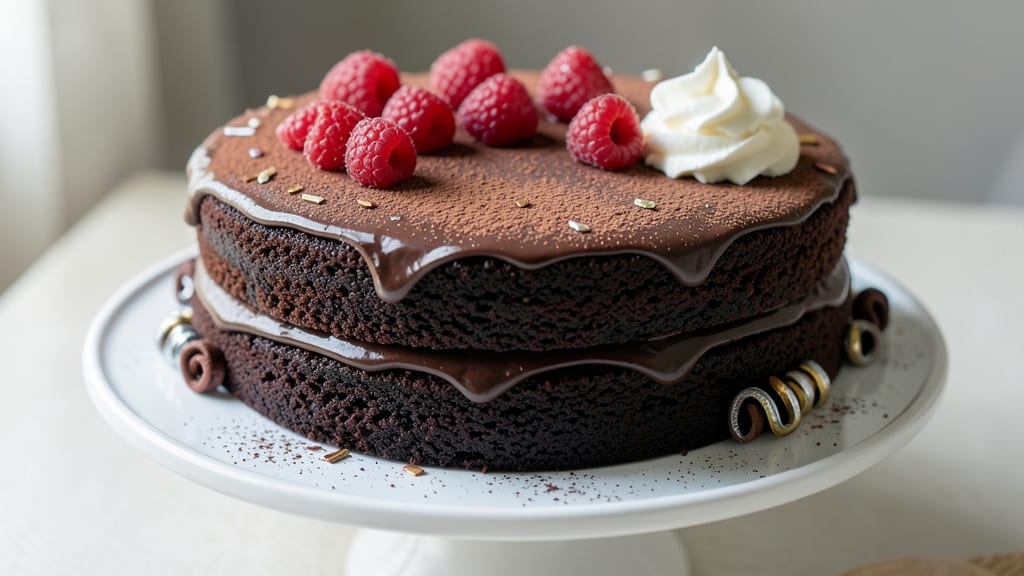
This best chocolate cake recipe not too sweet delivers rich, moist layers without overwhelming sweetness—just like my grandmother’s Sunday roast chicken, it’s all about balance. 💛 The secret lies in a subtle vanilla depth that enhances the chocolate without competing, while precise sugar ratios prevent cloying heaviness.
I’ve baked this version dozens of times, perfecting the texture so every slice stays tender and fudgy at the core. What sets this cake apart is the foolproof technique of using buttermilk and a touch of vinegar to tenderize the crumb while keeping it light.
The cake bakes in a single layer, ensuring even moisture distribution, and the optional vanilla buttercream—sweetened just enough—adds a luxurious finish without overpowering the chocolate. It’s the kind of dessert that satisfies without leaving you reaching for coffee to cut the sweetness.
By the time you pull it from the oven, you’ll have a golden-brown cake with a crackly top that gives way to velvety layers inside. The flavor is complex—deep cocoa notes balanced by warm vanilla and a hint of acidity from the buttermilk.
This isn’t just another chocolate cake; it’s a restaurant-quality dessert that feels like a homey hug in every bite. Serve it warm with a scoop of vanilla ice cream or let it cool slightly for cleaner slices. The recipe scales perfectly for gatherings, and leftovers?
They’re even better the next day. Here’s how to make it—no dry crumbs or cloying sweetness in sight.
Ingredients for best chocolate cake recipe not too sweet
Rich cocoa, tender crumb, and just enough sweetness—these ingredients balance perfectly for fudgy layers.
| Ingredient | Amount | Notes |
|---|---|---|
| All-Purpose Flour 🌾 | 2 cups | Sifted for light texture |
| Unsweetened Cocoa Powder 🍫 | ¾ cup | Dutch-processed preferred |
| Granulated Sugar 🍚 | 1 ½ cups | Light brown sugar optional |
| Buttermilk 🥛 | 1 cup | Room temperature preferred |
| White Vinegar 🍶 | 1 tbsp | For tenderizing crumb |
| Pure Vanilla Extract 🌸 | 2 tsp | High-quality preferred |
| Baking Soda 🧂 | ½ tsp | Freshly measured |
| Salt 🧂 | ¼ tsp | Fine sea salt preferred |
| Unsalted Butter 🧈 | 1 cup | Room temperature, cubed |
| Large Eggs 🥚 | 2 whole | Room temperature |
| Vanilla Bean Seeds 🌸 | 1 tsp | Scraped from 1 pod |
| Powdered Sugar 🍚 | 1 cup | For buttercream (optional) |
| Heavy Whipping Cream 🥛 | ½ cup | Cold for buttercream (optional) |
The cocoa powder is where the magic happens. Dutch-processed (like Droste) gives that velvety texture without bitterness. I grab mine from Williams Sonoma when I’m restocking, but the grocery store brand works fine if it’s labeled as natural cocoa. The buttermilk needs to be room temp—cold buttermilk curdles when mixed with baking soda. If you don’t have it, mix 1 cup milk + 1 tbsp vinegar and let it sit for 5 minutes. The vanilla bean seeds add depth that extract can’t match—worth the extra cost for a special occasion.
No Dutch-process cocoa? Natural cocoa powder at 3/4 the amount works, but the cake will be denser. Swapping brown sugar for white? Reduce sugar by 2 tbsp—it’s already moist. The buttercream is optional, but if you make it, use powdered sugar instead of confectioners for smoother frosting. For a lighter texture, whip the cream to soft peaks before folding in the powdered sugar. No vanilla bean? Double the extract—just know it won’t have the same complexity. The eggs should be at room temp, but if they’re cold, let them sit in warm water for 10 minutes.
This cake keeps beautifully—3 days at room temp wrapped in foil, or 5 days refrigerated. For longer storage, freeze slices wrapped individually for up to 3 months. The buttercream, if made, lasts 2 days refrigerated—whisk in a splash of milk to soften before using. I always bake an extra layer or two and freeze them for last-minute gatherings. Let the cake cool completely before frosting, or the buttercream will melt into a sad puddle.
Why You'll Love This Recipe
- No Mixer Needed: I swear by this recipe when I’m in a hurry—just whisk the buttermilk and vinegar, fold in the flour and cocoa, and you’re done. No electric mixer, no fuss, just a perfectly dense crumb every time.
- Rich Without Overpowering: The secret’s in the cocoa powder and sugar balance—deep chocolate flavor without cloying sweetness. Honestly, my coffee-loving husband actually asks for seconds, and that’s saying something.
- Birthday or Backup Plan: This cake’s your go-to for celebrations or when you forgot to order pizza. Frost it with whipped cream for a party, or eat it plain with a cup of tea when life gets real.
- Lasts All Week: Between us, I’ve had this cake for breakfast, lunch, and dessert—no one complains. The buttermilk keeps it moist, and the vinegar adds just enough tang to keep it interesting slice after slice.
Step-by-step instructions for chocolate cake not too sweet
Here's how to bake layers that stay moist without overpowering sweetness.
👨🍳 Step 1: Mix Dry Ingredients for Perfect Texture
In a medium bowl, whisk together the 2 cups all-purpose flour, 0.75 cup unsweetened cocoa powder, 0.5 tsp baking soda, and 0.25 tsp salt. Sift the mixture through a fine-mesh sieve to aerate it—this creates light, tender layers. I like to press the sifter directly over the bowl to avoid missing any flour pockets.
Set the dry ingredients aside while you prepare the wet mixture. The cocoa powder gives depth without bitterness, and the baking soda ensures a proper rise. Don't skip sifting—it makes all the difference in texture.
🍳 Step 2: Cream Butter and Sugar for Airy Layers
In a stand mixer fitted with the paddle attachment, beat the 1 cup unsalted butter (room temperature) and 1.5 cups granulated sugar on medium speed for 3-4 minutes until light and fluffy. You'll see the mixture nearly double in volume and turn pale.
This creaming step incorporates air, which creates those signature tender layers. If your butter isn't softened enough, the cake will turn out dense. Press the butter gently—it should leave a slight indentation but not be too soft.
👨🍳 Step 3: Combine Wet Ingredients for Moist Crumb
Add the 2 whole large eggs, 2 tsp pure vanilla extract, and 1 tsp vanilla bean seeds to the butter-sugar mixture. Beat on low speed for 1 minute until fully combined. The vanilla adds subtle depth without overpowering the chocolate.
In a separate bowl, mix the 1 cup buttermilk with 1 tbsp white vinegar—this creates a tangy, thick liquid that tenderizes the crumb. Let it sit for 5 minutes to curdle slightly. Add this mixture to the butter mixture along with the dry ingredients, mixing on low speed just until combined.
🔥 Step 4: Bake for Evenly Moist Layers
Preheat your oven to 350°F and grease two 8-inch round cake pans. Divide the batter evenly between the pans and smooth the tops. Bake for 30-35 minutes or until a toothpick inserted in the center comes out clean.
Don't overbake—this cake should be moist, not dry. The cocoa powder helps retain moisture, but you still need to pull it out while it's slightly underdone. Let the cakes cool in the pans for 10 minutes, then transfer to a wire rack to cool completely.
🥘 Step 5: Optional Vanilla Buttercream (If Desired)
Beat the 1 cup powdered sugar and 0.5 cup cold heavy whipping cream with an electric mixer until stiff peaks form. This light buttercream adds a delicate sweetness without overpowering the chocolate.
Spread between layers and on top of the cooled cake. The vanilla bean seeds in the cake layers shine through, giving you that subtle vanilla depth promised. Store leftovers covered at room temperature for up to 3 days.
Pro Tips For Making Best Chocolate Cake Recipe Not Too Sweet
- Mix the Dry Ingredients First: I learned this the hard way—adding cocoa powder to wet ingredients first makes lumps that never fully disappear. Whisk flour, cocoa, and sugar together before pouring in buttermilk. This ensures a smooth batter, especially with unsweetened cocoa which clumps like a stubborn kid at a candy store.
- Use Room-Temp Buttermilk: Cold buttermilk curdles when mixed with melted butter (if you’re adding it), and the cake turns out dense. Let it sit for 30 minutes at room temperature—no fancy thermometer needed. If you’re in a rush, warm it slightly in the microwave (just until it feels like warm milk, not hot).
- Skip the Overmixing: Once you add the buttermilk, stir just until combined—maybe 10-12 strokes. Overmixing develops gluten, and your cake turns out tough instead of tender. The batter will look slightly streaky, but that’s normal and delicious.
- Bake Until the Center Cracks: The cake is done when the edges pull away from the pan and the center springs back when gently pressed. If you rely only on the toothpick test, you might end up with a dry cake. I’ve burned three batches by pulling them out too soon—trust the crack, not the stick.
Pro cooking tips for great best chocolate cake recipe not too sweet
Butter Temperature Matters
The butter in this recipe needs to be room temperature—not melted, not cold. Press it gently: if it leaves a slight indentation but holds its shape, it's perfect. I've ruined cakes using cold butter, and the results are dense and heavy.
If your kitchen runs cold, place the butter on a plate and let it sit for 1-2 hours before starting. The goal is creamy, not greasy. 🧈
Sifting is Non-Negotiable
Sifting the dry ingredients removes lumps and aerates the flour, which prevents a dense crumb. I use a fine-mesh sieve and press it directly over the bowl to catch every bit.
If you skip this step, your cake will be heavier. For extra insurance, whisk the dry ingredients together first, then sift. The baking soda and salt distribute evenly this way.
Buttermilk Activation Trick
The buttermilk-vinegar mixture needs 5 minutes to curdle slightly before adding it to the batter. This reaction tenderizes the crumb while adding subtle tang. If you're in a hurry, whisk vigorously for 30 seconds after mixing—it won't be as effective, but it works in a pinch.
Never use plain yogurt or sour cream as a substitute; the acidity levels differ significantly. 🥛
Baking Time Precision
Pull the cake when a toothpick comes out with moist crumbs, not wet batter. Overbaking dries out the layers, and underbaking leaves them gummy. I set a timer for 30 minutes but check at 28 minutes—ovens vary wildly.
The cocoa powder helps retain moisture, but you still need to time it right. Let the cakes cool in pans for 10 minutes before transferring.
Vanilla Bean Secret
The vanilla bean seeds add depth that extract can't match. Scrape them directly into the batter for maximum flavor impact. If you're using a Madagascar vanilla bean (my favorite), it has floral notes that pair beautifully with chocolate.
For a budget version, double the extract—but know it won't have the same complexity. The seeds dissolve slowly, releasing flavor throughout each bite. ✨
Frosting Timing Tip
Only frost the cake after it's completely cooled. Warm cake melts buttercream into a sad puddle. If you're short on time, chill the cake layers in the fridge for 20 minutes before assembling. The buttercream should be at room temperature too—cold cream won't whip properly.
Spread it between layers and on top, then let the cake sit at room temperature for 1 hour before slicing for clean cuts.
Nutrition facts
Frequently asked questions
Why does this chocolate cake taste less sweet than others?
The secret lies in the 1.5 cups granulated sugar (instead of 2+ cups) combined with the buttermilk's natural tang. The vanilla bean seeds add subtle depth that balances the cocoa without needing extra sweetness. Plus, the Dutch-processed cocoa powder has a smoother, less bitter profile that doesn't demand sugar compensation.
Can I make this cake in a 9x13-inch pan instead of rounds?
Yes! Reduce baking time to 25-30 minutes at 350°F and check for doneness at 23 minutes. For even baking, tent the pan with foil after 15 minutes. The texture will be slightly denser than layers, but still moist. Divide the batter evenly—don't overfill the pan beyond 2/3 full to prevent overflow.
What if I don't have buttermilk?
Mix 1 cup milk + 1 tbsp white vinegar or lemon juice and let sit for 5 minutes until slightly thickened. The acidity is crucial for tenderizing the crumb. Never substitute with plain yogurt or sour cream—they alter the cake's texture and flavor balance. The vinegar in the recipe already accounts for this substitution.
How do I adjust the sweetness if I want it even less sugary?
Reduce the sugar by 2 tbsp and add 1 tbsp unsweetened applesauce to maintain moisture. For extra depth, increase the vanilla bean seeds to 1.5 tsp. Test with a small batch first—some cocoa powders vary in intensity. The buttermilk's acidity helps mask any perceived lack of sweetness while keeping the cake tender.
Can I use this recipe for cupcakes?
Divide the batter into 24 lined cupcake pans (fill 2/3 full) and bake at 350°F for 18-20 minutes. The cupcakes will be slightly denser than cake layers but still moist. For extra height, use 1.5 tsp baking powder instead of 0.5 tsp baking soda (reduce flour by 1 tbsp to compensate). Frost with the same buttercream or try a dusting of cocoa powder for a naked look.