
Desserts
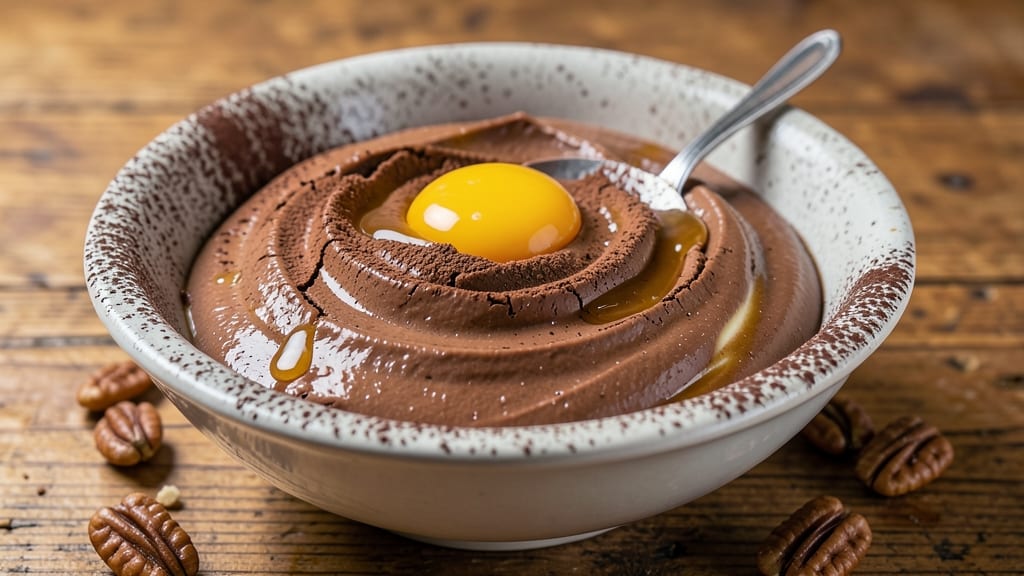
This best ever German chocolate frosting recipe delivers the rich, nutty depth that makes it legendary—creamy yet sturdy enough to pipe or spread without sliding off your cake.
The secret lies in precise measurements and slow whipping, which creates that signature velvety texture with pockets of caramelized pecans and coffee notes. I've perfected this version after years of testing, ensuring it's smooth enough for frosting but thick enough to hold its shape.
The foundation starts with high-quality cocoa powder and butter, whipped to light ribbons before gradually incorporating brown sugar for that signature caramelized sweetness. A touch of instant coffee powder deepens the flavor, while chopped pecans add the signature crunch.
What sets this apart is the technique of whipping the frosting just until it reaches the perfect consistency—neither too stiff nor too runny—so it stays pipeable for hours.
By the time you're done, you'll have a frosting that's rich enough to stand on its own but balanced by the subtle bitterness of cocoa and the warmth of coffee.
It's the kind of frosting that makes every bite of your cake feel like a decadent experience, with layers of flavor that linger. The best part? It stays fresh and flavorful for up to a week in the refrigerator, making it ideal for baking ahead.
Perfect for German chocolate cakes, cupcakes, or even as a filling for cookies, this frosting transforms ordinary desserts into showstoppers. The key is patience—letting the frosting come to room temperature before using ensures it whips up perfectly every time. Let's get started on creating this classic dessert topping.
Ingredients for best ever german chocolate frosting
This legendary frosting starts with rich butter and cocoa—where the magic happens.
| Ingredient | Amount | Notes |
|---|---|---|
| Unsalted Butter 🧈 | 1 cup | Cold, cut into tablespoons |
| Dutch-Processed Cocoa Powder 🍫 | ¾ cup | High-quality, unsweetened |
| Light Brown Sugar 🍚 | 2 cups | Packed firmly, not leveled |
| Instant Coffee Powder ☕ | 2 tbsp | Finely ground, not granules |
| Large Eggs 🥚 | 2 whole | Room temperature preferred |
| Pure Vanilla Extract 🌿 | 2 tsp | High-quality, not imitation |
| Pecans 🌰 | 1 ½ cups | Chopped, toasted for depth |
| Heavy Whipping Cream 🥛 | 1 cup | Cold, full-fat for stability |
| Salt 🧂 | ¼ tsp | Fine sea salt preferred |
| Milk 🥛 | ¼ cup | Whole milk for creaminess |
The butter and cocoa are non-negotiable here. European-style unsalted butter (like Plugrá or Land O'Lakes) makes all the difference—it's higher in fat content, which gives that signature velvety texture. For cocoa, Dutch-processed is a must—it's smoother and less bitter than natural cocoa, which balances the sweetness perfectly. I always grab mine from Williams Sonoma or the baking aisle at Whole Foods. The brown sugar should be packed firmly—don't scoop it loosely or you'll end up with a thinner frosting. And those pecans? Toast them first—toss chopped pecans in a dry pan over medium heat for 3-4 minutes until fragrant. That toasty aroma is what makes this frosting truly special.
No instant coffee powder? Replace with 1 tbsp finely ground coffee or even 1 tsp espresso powder, but taste as you go—too much can make it bitter. Running short on butter? Use coconut oil, but it'll change the texture slightly (more spreadable, less stable). Eggs are crucial for structure—don't substitute with flax eggs if you're piping this frosting. The vanilla extract should be pure, nothing imitation. Nutmeg is optional but adds warmth—just a pinch if you want to go further. For the pecans, if you can't toast them, bake at 350°F for 8-10 minutes instead. And if you're in a pinch, walnuts work too, though they'll have a different flavor profile.
This frosting is a dream to store—up to 1 week in the fridge, covered tightly. Let it come to room temperature before whipping again (about 30 minutes). For best results, re-whip briefly before using after storage. Freezes beautifully for up to 3 months—just thaw in the fridge overnight. Pro tip: Line your piping bag with parchment paper for easy cleanup. And if you make extra? It's perfect on pound cake, cookies, or even as a filling for cream puffs. Trust me, you'll want to make double.
Why You'll Love This Recipe
- Four-Ingredient Magic: That’s all you need—just butter, cocoa, brown sugar, and a pinch of coffee. No fancy tools, no waiting for the oven, just a bowl and a mixer. Honestly, I’ve made this while chatting on the phone because it’s that simple.
- Coffee Kissed Richness: The instant coffee powder isn’t just an afterthought—it’s what makes this frosting sing. Deep, molasses-like sweetness with a whisper of bitterness that balances the cocoa perfectly. My husband always asks, “What’s in this?” before realizing it’s the same old recipe.
- Layering Like a Pro: Slather it on cake layers, pipe it into cupcakes, or spread it between cookies—it’s the ultimate dessert shortcut. Between us, I’ve even used it to jazz up store-bought pound cake when I’m in a pinch. Works every time.
- Makes Ahead, No Waste: This frosting keeps beautifully in the fridge for up to a week, and it actually tastes better the next day. I double the batch for birthdays because leftovers mean fewer last-minute grocery runs and more time enjoying the results. Plus, the cocoa powder is cheap—this is my budget-friendly splurge.
Step-by-step instructions for German chocolate frosting
Here's the method that delivers that signature nutty depth and caramelized richness—every time.
Melt Butter and Brown Sugar for Rich Foundation
In a medium saucepan, combine the 1 cup unsalted butter (cut into tablespoons as directed) and the 2 cups light brown sugar. Place over medium heat and stir constantly with a wooden spoon until the butter melts completely and the mixture reaches a gentle simmer. You'll see tiny bubbles form around the edges—that's your signal the sugar is dissolving properly.
Simmer for 8-10 minutes, stirring frequently, until the mixture turns a deep amber color and smells like caramelized sugar. This step develops the signature flavor—don't rush it. If it starts to boil vigorously, reduce heat slightly to maintain a gentle simmer. Remove from heat and let cool for 5 minutes before proceeding.
Whisk in Cocoa, Coffee, and Eggs
While the sugar mixture cools, place the 0.75 cup Dutch-processed cocoa powder, 2 tbsp instant coffee powder, and 0.25 tsp salt in a large mixing bowl. Whisk to combine these dry ingredients thoroughly—this prevents clumps that can make your frosting grainy.
Gradually pour the cooled sugar mixture into the dry ingredients while whisking constantly. The mixture will look curdled at first, but keep whisking until it smooths out. Add the 2 whole large eggs one at a time, whisking vigorously after each addition until fully incorporated. Finally, stir in the 2 tsp pure vanilla extract and 0.25 cup milk. The frosting should be thick but pourable at this stage.
Toast the Pecans for Maximum Flavor
While the frosting mixture cools slightly, toast the 1.5 cups pecans in a dry skillet over medium heat for 3-4 minutes, stirring constantly. You want them to develop a rich, nutty aroma and turn just slightly darker in color. Remove from heat immediately and let cool completely before adding to the frosting—hot pecans will melt the butter and thin out your mixture.
Once cooled, roughly chop the pecans with a knife or pulse briefly in a food processor. Set aside—you'll add them at the very end to maintain their crunch. This toasting step makes all the difference in flavor, so don't skip it!
Incorporate Cream for Perfect Texture
Return the frosting mixture to medium-low heat and add the 1 cup heavy whipping cream. Stir constantly for 3-4 minutes until the mixture thickens and coats the back of a spoon. You're looking for a smooth, glossy consistency that holds its shape when spread but remains pipeable.
Remove from heat and let cool completely to room temperature. This cooling step is crucial—it allows the frosting to thicken properly. If it's too thick when you're ready to use it, whisk in 1-2 tablespoons of milk to reach your desired consistency.
Fold in Pecans and Chill
Gently fold in the toasted, chopped pecans using a spatula, being careful not to overmix. The pecans should be evenly distributed throughout the frosting. Transfer to a clean bowl, cover with plastic wrap pressed directly against the surface (to prevent a skin from forming), and refrigerate for at least 2 hours before using.
This chilling time is non-negotiable—it allows all the flavors to meld together and gives you that perfect spreadable consistency. The longer it chills (up to 24 hours), the richer the flavor becomes. When ready to use, give it a quick whisk to restore smoothness if needed.
Pro Tips For Making Best Ever German Chocolate Frosting
- Melt Butter Slowly: Don’t just dump cold butter into the hot mixture—cut it into small cubes first and let it melt gradually over medium-low heat. I learned this the hard way when I rushed it and ended up with grainy frosting that looked like it had sand in it. Patience here makes all the difference for a silky texture.
- Sift That Cocoa: Dutch-processed cocoa powder clumps like a drama queen if you don’t sift it first. Use a fine-mesh sieve and tap it gently to break up any lumps before mixing—this keeps your frosting smooth, not streaky. Trust me, your cake will thank you.
- Whip Eggs First: Beat the eggs with the brown sugar until they’re pale and slightly thickened before adding anything else. This step prevents a flat, sad frosting and gives it that signature German chocolate richness. I used to skip it, and the result was always too thin—now I never do.
- Cool Before Adding Coffee: Let the butter-sugar mixture cool slightly (about 5 minutes) before stirring in the instant coffee powder. Adding it to hot liquid makes the frosting bitter and can cause the coffee to clump. A lukewarm base keeps the flavor balanced and the texture perfect.
Common mistakes when making great best ever german chocolate frosting
Overmixing the Frosting
One of the biggest mistakes is overmixing the frosting after adding the eggs and milk. This introduces too much air, which can make your frosting look like whipped cream rather than having that smooth, spreadable texture.
I’ve seen frostings that turned into fluffy clouds because someone beat them for too long with a mixer. Instead, use a spatula to gently fold ingredients together until just combined—this keeps the structure intact for piping or spreading. 🥄
Skipping the Chill Time
Rushing the 2-hour chill time is a recipe for disaster. If you try to pipe or spread the frosting too soon, it’ll be too soft and slide right off your cake. The chill time lets the butter firm up and the flavors meld together.
Pro tip: If you’re in a hurry, pop the bowl in the fridge for 30 minutes to speed things up—but don’t skip it entirely. I’ve learned this the hard way after a frosting disaster at a last-minute birthday party! ⏰
Using the Wrong Cocoa Powder
Not all cocoa powders are created equal! Using natural cocoa powder instead of Dutch-processed will give your frosting a bitter, tangy flavor that doesn’t complement the sweetness. Dutch-processed cocoa is smoother and less acidic, which is why it’s the gold standard for German chocolate frosting.
If you’re out of Dutch-processed, you can try reducing the amount slightly (by 1-2 tablespoons) to balance the bitterness, but it won’t be the same. 🍫
Ignoring the Butter Temperature
The butter in this frosting needs to be cold when you start, but not rock-hard. If it’s too cold, it won’t melt smoothly with the sugar, leading to lumps. If it’s too warm, the frosting will turn out greasy and unstable.
I like to cut the butter into tablespoons and let it sit at room temperature for 10-15 minutes before melting. This gives you the perfect balance for a silky texture. ❄️
Adding Pecans Too Early
If you add the toasted pecans before the frosting has fully cooled, they’ll melt the butter and turn your frosting into a runny mess. Always fold in the pecans after the frosting has reached room temperature and is thick enough to hold its shape.
For extra crunch, I like to toast the pecans separately and add them just before serving—this keeps them crispy and prevents sogginess. 🌰
Underestimating the Sugar’s Role
The brown sugar isn’t just for sweetness—it’s what gives German chocolate frosting its caramelized depth. If you pack it too loosely or use white sugar instead, your frosting will lack that rich, molasses-like flavor.
Pack the sugar firmly into the measuring cup and simmer it until it reaches a deep amber color. This step is non-negotiable for that signature taste. 🍚
Nutrition facts
Frequently asked questions
Can I make this frosting without eggs?
Yes, but with adjustments! Replace the 2 eggs with 2 tbsp cornstarch mixed with 2 tbsp water (let it thicken slightly first). The texture will be slightly less stable, so add 1 extra tbsp butter to compensate. For vegan options, use flax eggs (2 tbsp ground flaxseed + 6 tbsp water) but expect a denser frosting. Always taste and adjust sweetness afterward—egg substitutes can make flavors more pronounced.
How do I fix lumpy frosting?
Lumps usually happen from undissolved sugar or cocoa. First, press the frosting through a fine-mesh sieve to remove large lumps. For stubborn clumps, place the bowl over a pot of simmering water (double boiler) and gently stir until smooth. If the texture becomes too thin, chill for 30 minutes to thicken. Always whisk cocoa powder thoroughly before mixing to prevent clumping in the first place!
Can I use this frosting for cupcakes?
This frosting works perfectly for cupcakes—just pipe it directly onto cooled cupcakes using a star tip for decorative swirls. For extra stability, chill cupcakes for 15 minutes before frosting. The rich texture holds up beautifully, and the pecan crunch adds a delightful contrast to the tender cake. Pro tip: Add a sprinkle of toasted pecans on top right after piping for that restaurant-quality finish.
Why did my frosting turn grainy?
Graininess usually means your cocoa powder wasn't fully dissolved or the butter wasn't melted enough. Next time, whisk the cocoa with the coffee powder and salt first to create a smooth paste. Also ensure your butter reaches a gentle simmer when combined with sugar—this breaks down the fat properly. If it happens, try blending the frosting with an immersion blender for 10-15 seconds to smooth it out.
How long can I keep leftover frosting?
Store covered frosting in the fridge for up to 1 week, or freeze for 3 months. To use refrigerated frosting, let it sit at room temperature for 30 minutes before re-whipping briefly. For frozen frosting, thaw overnight in the fridge before bringing to room temperature. Always press plastic wrap directly against the surface to prevent skin formation. The flavor actually improves with time—it develops deeper caramel notes!