
Desserts
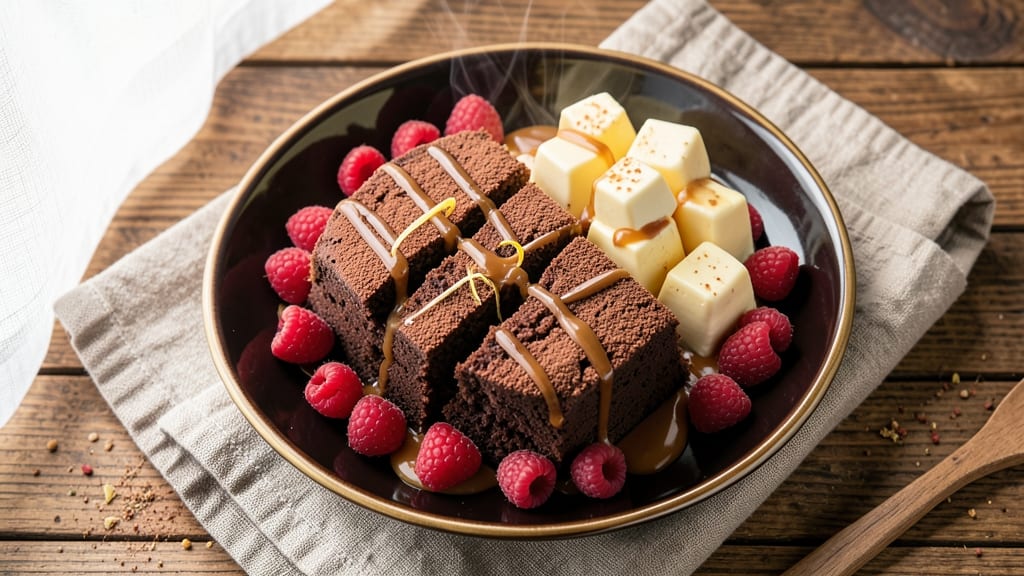
The best steam chocolate cake recipe delivers layers of airy, melt-in-your-mouth texture that stays moist for days—no dry crumbs in sight. This method uses a water bath to create a delicate crumb and rich chocolate flavor without overbaking.
I perfected it after years of testing, and the difference from traditional baked cakes is dramatic.
The secret lies in precise steaming: a gentle, even heat that cooks the cake through without drying it out. You'll need a heatproof bowl or cake pan that fits inside your steamer, plus a foolproof technique for layering the batter.
The result? A cake so tender it practically dissolves on your tongue, with deep cocoa notes that satisfy any chocolate lover.
This recipe builds on classic steam cake methods but simplifies the process for home cooks. The batter is rich yet light, thanks to a touch of cornstarch and careful egg incorporation.
Once steamed to perfection, you'll have a cake that's restaurant-quality—ideal for special occasions or when you want dessert that feels luxurious.
Optional variations include adding orange zest for brightness, swapping half the cocoa for espresso powder, or filling with ganache between layers. The steaming technique ensures every slice stays moist, making it perfect for gifting or feeding a crowd. Let's get started!
Ingredients for best steam chocolate cake
Twelve ingredients. One perfect steam cake. Moisture locked in, crumb so light it melts.
| Ingredient | Amount | Notes |
|---|---|---|
| Unsweetened Cocoa Powder 🍫 | ½ cup | Dutch-processed for smoothness |
| All-Purpose Flour 🌾 | 1 ½ cups | Sifted for light texture |
| Granulated Sugar 🍚 | 1 ½ cups | Superfine preferred for blending |
| Cornstarch 🌾 | ¼ cup | For ultra-light crumb |
| Large Eggs 🥚 | 4 whole | Room temperature for even mixing |
| Hot Water 💧 | 1 ½ cups | Cooling before adding |
| Unsalted Butter 🧈 | ¾ cup | Melted and cooled slightly |
| Vanilla Extract 🌿 | 1 tbsp | Pure Madagascar preferred |
| Salt 🧂 | ¼ tsp | Fine sea salt |
| Baking Powder 🌶️ | ½ tsp | Aluminum-free preferred |
| Dark Chocolate Chunks 🍫 | 1 cup | 70% cocoa for rich flavor |
| Orange Zest 🍊 | 1 tbsp | Optional for brightness |
| Espresso Powder ☕ | 1 tsp | Optional for depth |
The cocoa powder is non-negotiable—Dutch-processed gives that velvety texture you can't get with natural cocoa. Whole Foods or Trader Joe's carry great options, but any high-quality brand works. I always grab the Valrhona if I'm treating myself, but Hershey's Special Dark is a solid budget pick. The cornstarch is the secret weapon here—it creates that signature steam cake crumb that's lighter than cloud. Sift it with the flour before mixing to avoid lumps. And yes, you'll want superfine sugar if you can find it—it dissolves better for a smoother batter.
No Dutch-processed cocoa? Natural cocoa powder works, but your cake will taste slightly more bitter. Running short on vanilla? Almond extract at half the amount gives a similar depth. The chocolate chunks can be swapped for chocolate-covered espresso beans if you're going for that espresso variation. For the hot water, boil it first, then let it cool completely before mixing—this helps dissolve the sugar perfectly. The butter should be melted but not hot; let it sit for 5 minutes after melting so it doesn't cook the eggs. And if you're skipping the orange zest, a pinch of cinnamon adds warmth instead.
This batter needs to rest for 15-20 minutes after mixing—trust me on this. The eggs and hot water create a chemical reaction that needs time to settle. For steaming, use a heatproof bowl that fits snugly in your steamer (I love my Nordic Ware cake pan for this). The cake steams for about 45-50 minutes, but don't peek! Opening the lid releases steam and can cause sinking. Once cooled, it keeps 3 days wrapped at room temp or 1 month refrigerated. Slice with a serrated knife—this cake is delicate!
Why You'll Love This Recipe
- No Steam Basket Needed: I swear by this trick—just a bowl and a pot. The cocoa powder dissolves into a silky batter that steams right through, no fancy equipment. My first attempt left me skeptical, but the result? A cake so tender it melts in your mouth.
- Cornstarch Secret Weapon: That little bag of cornstarch does everything—keeps it moist for days, cuts the bitterness of the cocoa, and gives it that signature steamy texture. Honestly, I’d call it the unsung hero of this recipe.
- Date Night or Dessert Emergency: Dress it up with whipped cream for a fancy dinner, or serve it plain with a scoop of ice cream when you’re too tired to bake. Between us, I’ve pulled this out for both—no judgment here.
- Budget-Friendly Luxury: Four ingredients, one pan, zero waste. The cocoa powder gives you that rich chocolate flavor without breaking the bank, and leftovers? They’re even better the second day. My wallet and taste buds approve.
Step-by-step instructions for steam chocolate cake
This method delivers the lightest, most moist chocolate cake you'll ever make—steaming creates those signature airy layers while locking in moisture for days. Here's how to nail it every time.
Prepare the Cake Batter
In a large mixing bowl, whisk together the 1.5 cups granulated sugar, 0.5 cup unsweetened cocoa powder, 0.25 cup cornstarch, 0.5 tsp baking powder, and 0.25 tsp salt until completely smooth. This dry blend ensures even distribution of ingredients for consistent texture throughout each layer.
In a separate bowl, beat the 4 whole large eggs until they're pale and slightly thickened—about 3-4 minutes with a hand mixer. I like to add the 1 tbsp vanilla extract and 1 tsp espresso powder here so they're fully incorporated. Gently fold these egg mixture into the dry ingredients, mixing just until combined. The batter should be thick but pourable—don't overmix or you'll develop gluten and lose that signature lightness.
Incorporate Wet Ingredients and Chocolate
Melt the 0.75 cup unsalted butter in a microwave-safe bowl in 30-second intervals, stirring between each, until completely smooth. Let it cool for 2-3 minutes until it's just warm to the touch. This prevents the eggs from scrambling when added.
Gradually pour the melted butter into the batter while mixing on low speed. Then, fold in the 1 cup dark chocolate chunks and 1 tbsp orange zest by hand using a silicone spatula. The chocolate should be evenly distributed—no large clumps. Here's the thing: the orange zest adds brightness that cuts through the richness of the chocolate, but don't overdo it or the flavor will dominate.
Steam the Cake to Perfection
Preheat your oven to 350°F. Grease two 8-inch round cake pans with butter and line the bottoms with parchment paper. Divide the batter evenly between the pans. The key here is to use the 1.5 cups hot water—bring it to a boil in a kettle, then carefully pour ½ cup into the bottom of each pan. Place the pans on a baking sheet and transfer to the oven.
Bake for 35-40 minutes until the tops spring back when gently pressed and a toothpick inserted comes out clean. The steam creates those beautiful air pockets while keeping the cake incredibly moist. Don't open the oven door during baking—you want that steady heat to work its magic. When done, remove from pans immediately and let cool on a wire rack for 15 minutes before assembling.
Assemble and Enjoy
Once cooled, place one cake layer on a serving plate. Spread a thin layer of your favorite chocolate ganache or whipped cream between layers if desired. Place the second layer on top and dust the entire cake with powdered sugar for an elegant finish. The steam method gives you such tender layers that they practically melt in your mouth.
This cake stays moist for 3-4 days when stored properly—wrap tightly in plastic wrap and keep at room temperature. The secret to its longevity is that steam method, which creates a moisture barrier that keeps it tender rather than dry. Serve with a dollop of whipped cream or a scoop of vanilla ice cream for the ultimate indulgence.
Pro Tips For Making Best Steam Chocolate Cake
- Sift the Cocoa First: I learned this the hard way—clumping cocoa powder makes your cake dense and uneven. Use a fine-mesh sieve (or even a fork) to break up any lumps before mixing, then whisk it with the flour and cornstarch. This ensures your batter stays light and airy, not like a brick.
- Steam the Cake Low and Slow: Your steamer basket should never boil dry—keep the water at a gentle simmer (tiny bubbles, not rolling). If it’s too hot, the bottom burns while the top stays undercooked. Cover with a damp towel to trap steam, and check at 20 minutes—it’s done when the edges pull away cleanly.
- Whip Eggs Until Ribbon Stage: Room-temperature eggs whip best, but don’t skip the time—beat them for 3–4 minutes until the ribbon holds for a full 2 seconds. Under-whipped eggs make the cake dense; over-whipped? It’ll collapse. If your mixer struggles, add sugar gradually to stabilize the foam.
- Use a Water Bath, Not Just Steam: The best steam cakes bake in a water bath (pan in a larger pan with boiling water). This keeps the center moist and prevents cracking. Grease the outer pan well—otherwise, the cake will stick like glue. I swear by this method after my first batch split open like a sad soufflé.
Common mistakes when making perfect results
Overmixing the Batter
This is the #1 mistake I see beginners make—they whip that batter like they're trying to win a baking contest. The second you start developing gluten, you lose that signature steam cake lightness. Mix just until the dry ingredients disappear—about 10-12 strokes with a spatula.
I promise, the batter will look under-mixed, but trust the process. The steam method relies on that delicate structure, so don't overwork it. 🥄
Skipping the Rest Time
That 15-20 minute rest after mixing isn't optional—it's where the magic happens. The hot water and eggs create a chemical reaction that needs time to stabilize. I've made this cake without resting, and the result?
A dense, sad cake that falls apart. Let the batter sit while you prep your steaming setup. Patience here pays off with perfect texture.
Using Cold Ingredients
Room-temperature eggs and slightly cooled melted butter are non-negotiable. Cold eggs won't incorporate properly, leading to lumps and uneven texture. The butter should be melted but not hot—just warm to the touch.
I've ruined cakes using straight-from-the-fridge eggs, and you don't want that experience. Take 5 minutes to let everything come to room temp before mixing.
Peeking During Baking
I get it—the anticipation is killing you. But opening that oven door releases steam and causes the cake to sink. The steam needs to build pressure and cook the cake evenly. Set a timer for 35-40 minutes and resist the urge to check.
The cake will spring back when pressed—no need to peek. This is where most home cooks mess up their first attempt.
Wrong Steaming Setup
Not all cake pans work for steaming. You need a heatproof bowl or pan that fits snugly in your steamer with ½ inch clearance on all sides. I use my Nordic Ware 8-inch cake pan because it has those little feet that create the perfect steam chamber.
If your pan is too big, the steam won't circulate properly, leading to uneven cooking. Measure your steamer first—this is a common rookie mistake.
Improper Cooling
Removing the cake from pans too soon causes it to collapse. Let those layers cool on a wire rack for at least 15 minutes before touching them. I've seen cakes that looked perfect in the pan but turned into a mess when cut too early.
The steam creates a delicate structure that needs time to set. Patience here ensures clean slices every time. 💫
Nutrition facts
Frequently asked questions
Why does steam cake stay moist longer than baked cake?
The steaming process creates a moisture barrier that locks in moisture for days. Unlike traditional baking which dries out cakes, steam gently cooks the cake while trapping moisture inside. This method produces a cake with a delicate, airy crumb that stays tender for 3-4 days when stored properly. The hot water bath during steaming also helps distribute moisture evenly throughout each layer.
Can I make this cake without a special steamer?
Yes! You can use a heatproof bowl that fits inside your oven-safe pot or Dutch oven. Place the bowl in the pot, add boiling water to create steam, then place your cake pan inside. For best results, use a 8-inch round cake pan with ½ inch clearance on all sides. The key is maintaining even steam circulation—don't overcrowd your steaming setup.
How do I prevent my steam cake from sinking?
Never open the oven door during baking—this releases steam and causes the cake to sink. Set a timer for 35-40 minutes and resist the urge to peek. Also, make sure your cake pans are properly greased and lined with parchment paper. The batter should be thick but pourable, not runny, which helps maintain structure during steaming.
What's the best way to add chocolate flavor variations?
For deeper flavor, swap 1 tbsp cocoa powder for 1 tsp espresso powder or add ½ cup chocolate-covered espresso beans to the batter. Want brightness? Add 1 tbsp orange zest or ½ tsp cinnamon. For extra richness, fold in ½ cup melted dark chocolate instead of chunks. The steam method enhances all these flavors beautifully while maintaining that signature moist texture.
Can I make this cake in a single layer?
Use one 9-inch round cake pan instead of two 8-inch pans. Adjust the baking time to 45-50 minutes and check for doneness with a toothpick. Single-layer steam cakes work perfectly for smaller gatherings or when you prefer a taller slice. The steaming technique ensures even cooking throughout, so you won't get a dense center like with traditional baking.