
Desserts
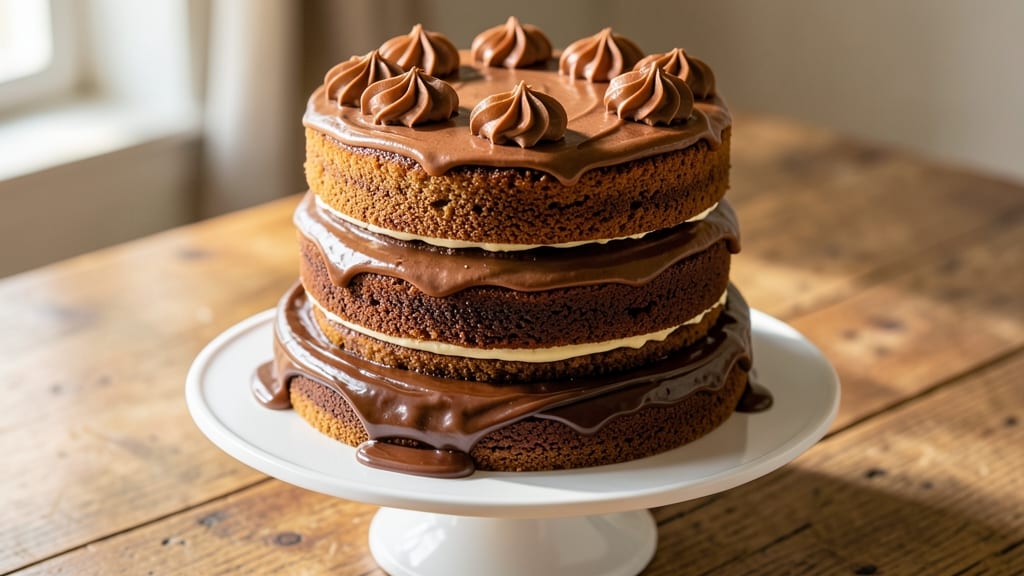
Betty Crocker chocolate cake mix transforms into restaurant-quality layers when you add the secret butter recipe that keeps it moist for days. 💛 The key lies in blending rich butter into the batter—not just milk—creating a texture that stays tender even after frosting.
This method elevates boxed cake to homemade perfection with minimal effort.
What sets this recipe apart is the foolproof technique of combining butter with the mix before adding liquids, ensuring every bite stays moist without dryness. The result is a cake with a velvety crumb that resists cracking, even when layered with frosting. Perfect for birthdays, holidays, or spontaneous dessert cravings.
Layering the cake with smooth buttercream frosting creates a showstopping dessert that looks as impressive as it tastes. The butter incorporation method guarantees a moist interior that stays fresh for days, making it ideal for meal prep or special occasions. No advanced skills required—just this one simple upgrade.
Whether you're serving a crowd or treating yourself, this method delivers restaurant-quality results with the convenience of boxed mix. The secret is in the butter—don't skip this step if you want cake that stays moist and delicious. Let's get started!
Ingredients for betty crocker butter recipe chocolate cake mix
Transform boxed mix into velvety layers with this butter-infused technique—no dry crumbs here.
| Ingredient | Amount | Notes |
|---|---|---|
| Betty Crocker Super Moist Chocolate Cake Mix 🍫 | 1 box | Unopened, 15.25 oz box |
| Unsalted Butter 🧈 | 1 cup | Softened to room temperature |
| Large Eggs 🥚 | 2 whole | Room temperature preferred |
| Whole Milk 🥛 | 1 ½ cups | Room temperature |
| Vegetable Oil 🫒 | ½ cup | Light or canola preferred |
| Granulated Sugar 🍚 | ¼ cup | For buttercream frosting |
| Unsalted Butter 🧈 | 1 cup | Additional, for frosting |
| Heavy Whipping Cream 🥛 | 1 cup | Cold for frosting |
| Vanilla Extract 🌿 | 1 tsp | Pure, high-quality |
| Granulated Sugar 🍚 | 2 cups | For cake layers |
| All-Purpose Flour 🌾 | ½ cup | Sifted, for dusting layers |
| Powdered Sugar 🍚 | 3 cups | For buttercream |
| Salt 🧂 | ¼ tsp | Fine sea salt |
The butter is non-negotiable—this isn't just any butter, it's the secret weapon. European-style unsalted butter (like Plugrá or Land O'Lakes European) melts smoothly without graininess, but any high-fat butter works. Grab 1 cup at room temperature from the back of the fridge 30 minutes before baking. The cake mix itself? Betty Crocker's Super Moist is ideal, but any chocolate box mix will do. Just confirm it doesn't contain added oil—those require extra adjustments. For the frosting butter, use the same brand for consistency in flavor and texture. King Arthur or Land O'Lakes are reliable choices if you want to splurge on quality.
No European butter? Regular unsalted butter works—just be sure it's 80% fat minimum (check the label). Short on eggs? Flax eggs (1 tbsp ground flax + 3 tbsp water = 1 egg) maintain moisture, though texture differs slightly. The milk can be whole, 2%, or even almond milk for dairy-free adaptation, but whole milk ensures the richest crumb. For the frosting, heavy whipping cream is critical—half-and-half won't whip properly. Need a shortcut? Store-bought chocolate frosting (like Betty Crocker's) can be layered between cakes, though homemade tastes infinitely better. The vanilla extract? Use pure Madagascar bourbon vanilla if you have it—it adds depth without overpowering.
This cake keeps 5 days at room temperature, 1 week refrigerated, and 3 months frozen when properly wrapped. For freezing, wrap each fully frosted layer individually in plastic wrap, then place in a ziplock bag. Thaw overnight in the fridge before serving. The frosting? Make it 1 day ahead—it develops flavor as it sits. Store frosting in an airtight container between layers. Pro tip: Brush each cooled layer with simple syrup (equal parts sugar and water, heated) before frosting for extra moisture. The buttercream will thank you—it'll be smoother and more stable than if you skipped this step.
Why You'll Love This Recipe
- I’ll be real: store-bought mix gets a bad rap, but this one’s a steal. A box of mix plus a few pantry staples costs less than half what a fancy from-scratch cake would, and it still delivers that deep, fudgy flavor. Plus, leftovers? They’re my go-to for quick breakfast sandwiches (trust me, chocolate cake + peanut butter = genius).
- No Mix-Up Moments: I’ve made this cake so many times, I could do it blindfolded—just dump the mix, melt the butter, crack eggs, and stir. That’s it. The box already does the hard work of balancing the rich chocolate with the buttery oil, so you’re left with a cake that tastes homemade without the fuss.
- Rich Without the Guilt: Here’s what sold me—the way the melted butter swirled into the batter makes every bite ridiculously moist, but the oil keeps it tender without being greasy. It’s like a hug for your taste buds, but still light enough to enjoy with a scoop of ice cream (which, honestly, I always do).
- Birthday to Boredom: Between us, this cake is my secret weapon for any reason. Need a last-minute dessert for a party? Done. Craving something sweet after a long week? Done. Even my picky teen niece asks for seconds—she’s not easily impressed. The best part? It’s not just for celebrations; it’s the kind of cake that makes Tuesday nights feel special.
Step-by-step instructions for Betty Crocker chocolate cake mix
Here's how to transform boxed mix into showstopping layers that stay moist for days.
🍳 Step 1: Prepare the Cake Batter
Preheat your oven to 350°F and grease three 8-inch round cake pans, lining the bottoms with parchment paper. In a large mixing bowl, combine the 1 box Betty Crocker Super Moist Chocolate Cake Mix, 1.5 cups whole milk, 0.5 cup vegetable oil, 2 whole large eggs, and 1 cup unsalted butter (softened).
Using an electric mixer on medium speed, beat all ingredients together for 2 minutes until the batter is smooth and fully combined. The batter should be thick but pourable—if it looks too thin, let it sit for 5 minutes to thicken slightly. This ensures the perfect texture for moist layers that won't crumble.
🥘 Step 2: Bake the Layers Evenly
Divide the batter evenly among the three prepared pans. Bake for 25-30 minutes or until a toothpick inserted into the center comes out clean. Rotate the pans halfway through baking for even browning. The cake layers should be fully set but still slightly springy to the touch—overbaking leads to dryness.
Remove the cakes from the oven and let them cool in the pans for 10 minutes before transferring to a wire rack to cool completely. This gradual cooling prevents cracking and maintains moisture. Once fully cooled, wrap each layer tightly in plastic wrap to keep them fresh for the frosting process.
👨🍳 Step 3: Make the Buttercream Frosting
In a large mixing bowl, beat the 1 cup unsalted butter (softened) and 3 cups powdered sugar together on medium-high speed for 3 minutes until light and fluffy. Add the 1 cup heavy whipping cream (cold), 1 tsp vanilla extract, and 0.25 tsp salt, then beat for another 2 minutes until smooth and creamy.
This is where the magic happens: the buttercream should be thick enough to hold its shape but still spreadable. If it's too stiff, add 1-2 tablespoons of milk to loosen it. The frosting should be glossy and smooth—this ensures a professional finish that seals in moisture and adds that bakery-style appeal.
🥘 Step 4: Assemble and Frost the Cake
Place one cake layer on a cake stand or plate. Dust the top evenly with 0.5 cup all-purpose flour (sifted) to prevent sticking. Spread a thin layer of frosting over the top, then place the second layer on top. Repeat with the third layer. Frost the entire cake with the remaining buttercream, creating a smooth surface.
For extra stability, chill the cake in the refrigerator for 30 minutes before decorating. This step is crucial—it helps the frosting set properly and prevents the layers from shifting. Once chilled, you can pipe decorative accents or simply enjoy the rich, moist chocolate layers as-is.
⏰ Step 5: Store for Maximum Freshness
Cover the fully frosted cake with plastic wrap and store it at room temperature for up to 2 days or refrigerate for up to 5 days. The key to maintaining moisture is the buttercream—it acts as a sealant, keeping the cake layers tender and rich. For serving, slice with a warm knife for clean cuts and enjoy the perfect balance of dense, moist chocolate cake with velvety frosting.
Pro Tips For Making Betty Crocker Butter Recipe Chocolate Cake Mix
- MELT BUTTER FIRST: Mixing cold butter into the cake batter creates lumps that never fully dissolve, leaving you with a cake that’s dense instead of rich. Warm the butter to room temperature (about 10 minutes out of the fridge) so it blends smoothly—no extra whisking required.
- USE ROOM-TEMP EGGS: Cold eggs from the fridge can cause the batter to curdle, especially when combined with warm butter. Let them sit in warm water for 5 minutes before cracking, or just rest them on the counter for 15 minutes—your cake’s texture will thank you.
- STOP WHEN TESTER COMES OUT CLEAN: Overbaking dries out chocolate cake faster than you’d think. Pull the cake out when a toothpick inserted in the center comes out with moist crumbs, not wet batter or dry flour. The residual heat will finish cooking it perfectly.
- SWAP OIL FOR MELTED BUTTER: The recipe calls for vegetable oil, but melted butter adds depth of flavor and a tender crumb. Replace the oil with the same amount of melted butter (softened, not hot)—just don’t skip the extra tablespoon of milk to compensate for the butter’s moisture.
Troubleshooting perfect results
Dry Cake Layers
If your cake turns out dry, the issue is usually overbaking or insufficient moisture in the batter. First, check your baking time—remove the cake when a toothpick comes out with moist crumbs, not completely clean.
I’ve found that underbaking by 2-3 minutes often yields a more tender crumb. For extra moisture, try adding 1 tablespoon of hot coffee to the batter (the caffeine enhances chocolate flavor too!). 💫
Cracked Top
Cracks usually appear when the cake cools too quickly. Let the cakes cool in their pans for 10-15 minutes before transferring to a wire rack, and avoid placing them in the fridge until fully cooled.
If cracks still happen, brush the cooled layers with simple syrup (equal parts sugar and water, heated) before frosting. This adds moisture and helps seal any cracks, making them nearly invisible under frosting.
Frosting Too Soft
If your buttercream is too soft, it’s likely because the butter wasn’t cold enough when whipped. Chill your mixing bowl and beaters in the freezer for 10 minutes before starting. For a firmer frosting, add 1-2 tablespoons of powdered sugar at a time while mixing.
If it’s already too soft, place the bowl in the fridge for 15-20 minutes to firm up before decorating. This trick works every time—no one will guess it’s a boxed mix cake!
Batter Too Thin
A runny batter usually means the butter wasn’t softened enough or the mix wasn’t properly combined. Ensure your 1 cup of butter is room temperature (it should dent when pressed but not be greasy).
If the batter is still too thin after mixing, let it rest for 5 minutes—the flour will absorb some of the liquid. For extra insurance, add 1 tablespoon of all-purpose flour to thicken it up before baking.
Uneven Layers
Uneven layers happen when the cake doesn’t cool completely before frosting or when the frosting isn’t spread evenly. Always let the layers cool completely before assembling. For extra stability, place a thin layer of frosting between each cake layer (about ¼ inch thick) before frosting the entire cake.
This creates a "glue" that holds everything together perfectly. Chill the cake for 30 minutes in the fridge before slicing to prevent shifting. 🍰
Nutrition facts
Frequently asked questions
Why does adding butter make the cake moister than the box instructions?
The butter creates a denser, richer batter that holds moisture better than just oil or milk. When combined with the cake mix, the butter's fat content slows moisture evaporation during baking, resulting in a tender crumb that stays moist for days. This method mimics homemade cakes where butter is the primary fat source.
Can I use margarine instead of butter?
Margarine won't give the same rich flavor or texture. Butter's high fat content (80%+) creates a velvety crumb, while margarine often contains water, which can make the cake denser or greasier. For best results, stick with unsalted butter—it's worth the small extra cost for that bakery-style quality.
How do I know when the cake is fully baked?
Insert a toothpick into the center—the cake is done when it comes out with moist crumbs (not wet batter) and no raw batter clinging to it. Overbaking is the #1 cause of dry cake! For this recipe, 25-30 minutes at 350°F is perfect. The edges should pull away slightly from the pan too.
Is this recipe gluten-free?
No, this recipe contains all-purpose flour from the cake mix. For a gluten-free version, replace the mix with a gluten-free chocolate cake mix (like Betty Crocker's GF line) and use a 1:1 gluten-free flour blend for the frosting. The butter incorporation method still works—just check all ingredients for gluten cross-contamination warnings.
Can I make this cake in a bundt pan instead of round layers?
This batter works beautifully in bundt pans. Use the same batter recipe but reduce baking time to 35-40 minutes (check at 30 minutes). For decoration, pipe swirls of buttercream on top or dust with powdered sugar. The butter-rich batter prevents the cake from being too dense for bundt shapes.