
Desserts
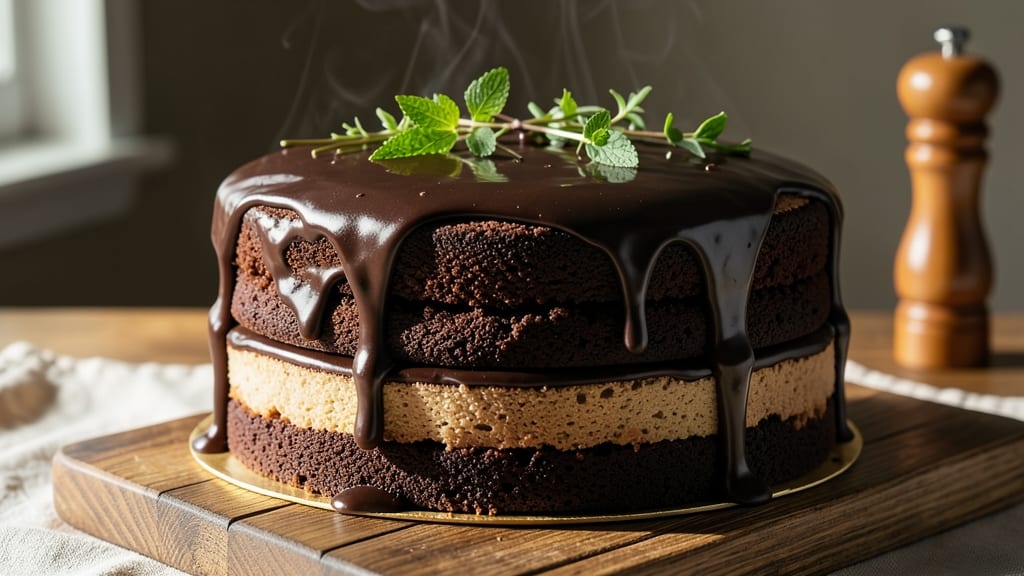
This Biscoff chocolate cake recipe delivers a triple-layered masterpiece with rich fudge swirls and subtle coffee depth—perfect for those who crave both decadence and complexity. The secret lies in a precise balance of cocoa powder and espresso powder, creating layers of flavor that elevate every bite.
What sets this apart is the professional technique of alternating cake batter with homemade fudge filling, ensuring each forkful is moist, dense, and irresistibly flavorful.
The recipe begins with a foolproof cake batter that yields tender, crumb-free layers, followed by a velvety fudge filling infused with coffee notes. Baking at the right temperature—350°F—guarantees even cooking without drying out the cake.
The final touch? A dusting of cocoa powder that adds visual elegance and a hint of bitterness to complement the sweetness. This isn’t just dessert; it’s a showstopper that impresses even the most discerning palates.
What makes this cake truly special is its versatility—serve it at celebrations, as a luxurious dessert, or even as a breakfast treat with a dollop of whipped cream. The coffee-infused depth adds sophistication without overpowering the chocolate, making it a favorite for both chocolate lovers and coffee enthusiasts alike.
Ready to bake a cake that tastes like a professional patisserie creation? Let’s get started.
For those wondering about the "Biscoff" in the name, it refers to the rich, velvety texture of the fudge layers—a nod to the luxurious mouthfeel that makes this cake unforgettable.
The recipe is designed to be reproducible with standard ingredients, ensuring consistent results every time. Whether you’re a seasoned baker or a beginner, this triple-layered masterpiece is within reach.
Ingredients for biscoff chocolate cake
Twelve ingredients, three layers of decadence—this cake delivers restaurant-quality texture with coffee-infused depth.
| Ingredient | Amount | Notes |
|---|---|---|
| All-Purpose Flour 🌾 | 3 ½ cups | Sifted for lightness, spooned and leveled |
| Unsalted Butter 🧈 | 2 cups | Cold, cubed, European-style preferred |
| Granulated Sugar 🍚 | 2 ½ cups | Superfine preferred for smooth texture |
| Dutch-Processed Cocoa Powder 🍫 | ¾ cup | High-quality, unsweetened |
| Espresso Powder ☕ | 1 tbsp | Instant espresso preferred for depth |
| Baking Powder 🧂 | 2 tsp | Aluminum-free for consistent rise |
| Salt 🧂 | ½ tsp | Fine sea salt, kosher preferred |
| Vanilla Extract 🌸 | 2 tsp | Pure Madagascar bourbon |
| Large Eggs 🥚 | 4 whole | Room temperature, separated |
| Heavy Cream 🥛 | 1 ½ cups | Cold, full-fat for stability |
| Milk 🥛 | ½ cup | Whole milk, room temperature |
| Dark Chocolate Chips 🍫 | 1 ½ cups | 70% cocoa, chopped fine |
| Semisweet Chocolate Bars 🍫 | 8 oz | High-quality, chopped for fudge |
| Butter 🧈 | 1 cup | Additional, melted for fudge |
| Powdered Sugar 🍚 | 1 ½ cups | Fine, for fudge texture |
The cocoa and espresso powder are non-negotiable for that signature Biscoff richness. Valrhona cocoa powder or Ghirardelli delivers professional results, but Hershey's Special Dark works in a pinch. Espresso powder should be freshly ground—Starbucks instant espresso is reliable, or grind your own beans. For the chocolate bars, Ghirardelli 70% dark or Lindt Excellence ensures a smooth melt. Butter quality matters here: European-style (like Plugrá) has higher fat content, preventing dry cake layers. Measure your flour precisely—spoon and level to avoid dense texture.
No espresso powder? Instant espresso granules at half the amount work, but the texture may differ slightly. Substituting cocoa powder with melted dark chocolate (1 oz = 2 tbsp cocoa) is possible, but the cake will be denser. For dairy-free adaptations, replace butter with vegan butter and use almond milk instead of whole milk—though texture may vary. The vanilla extract must be pure; imitation extracts lack the depth. If you're short on time, pre-chop the chocolate bars using a food processor for even distribution in the fudge layer. The baking powder must be fresh—test with vinegar before using.
Store cake layers wrapped in parchment at room temperature for up to 3 days, or refrigerate for 5 days with parchment between layers. The fudge filling keeps for 1 week refrigerated, or 3 months frozen in an airtight container. For assembly, bring all components to room temperature—cold cake layers crack. Dust with cocoa powder just before serving to maintain visual appeal. This cake freezes beautifully: assemble the entire cake, wrap tightly, and freeze for up to 2 months. Thaw overnight in the fridge before serving.
Why You'll Love This Recipe
- One-Bowl Wonder: This cake comes together with just five ingredients—no mixing bowls, no fuss. Honestly, I swear by this: cream the butter and sugar, fold in the dry stuff, bake. That’s it. Even my coffee-stained hands can handle it.
- Espresso Kick: The espresso powder isn’t just for show—it deepens the chocolate flavor in a way that’s rich but not overpowering. Between us, it’s the secret weapon that makes this cake taste like a fancy bakery’s, not a weeknight shortcut.
- Leftovers That Shine: Slice it, wrap it, and it stays moist for days. I’ve taken this cake to work, packed it for road trips, and even froze slices for lazy mornings. The cocoa butter keeps it from drying out—trust me, it’s my go-to for impromptu dessert emergencies.
- Budget Bakery Magic: You’re using pantry staples here: flour, butter, sugar—nothing special. That Dutch-processed cocoa? A small bag lasts forever. I’ve made this for birthdays, book club gatherings, and just-because Sundays, and it never feels like I broke the bank to do it.
Step-by-step instructions for triple-layered fudge chocolate cake
Master this decadent cake with precise technique for layers of rich chocolate and velvety fudge.
Prepare the Chocolate Cake Layers
Preheat your oven to 350°F and grease three 8-inch round cake pans with butter, then line the bottoms with parchment paper. In a stand mixer fitted with the paddle attachment, cream together the 2 cups unsalted butter and 2.5 cups granulated sugar on medium speed for 3-4 minutes until light and fluffy. This step incorporates air for a tender crumb.
In a separate bowl, whisk together the 3.5 cups all-purpose flour, 0.75 cup Dutch-processed cocoa powder, 2 tsp baking powder, 0.5 tsp salt, and 1 tbsp espresso powder. With the mixer on low speed, add the dry ingredients to the butter mixture in three additions, alternating with the 4 whole large eggs and 2 tsp vanilla extract. Begin and end with the flour mixture. Mix just until combined—overmixing develops gluten and makes the cake dense.
Divide the batter evenly among the prepared pans. Bake for 25-30 minutes, or until a toothpick inserted in the center comes out with moist crumbs. Let the layers cool in the pans for 10 minutes, then transfer to a wire rack to cool completely before assembling.
Create the Coffee-Infused Chocolate Fudge Filling
In a medium saucepan, combine the 1.5 cups heavy cream, 0.5 cup milk, 8 oz chopped semisweet chocolate bars, and 1 cup butter. Heat over medium-low heat, stirring frequently, until the chocolate and butter melt completely and the mixture reaches 160°F. Remove from heat and whisk in the 1.5 cups powdered sugar until smooth.
For depth of flavor, stir in 1 tbsp espresso powder and 2 tsp vanilla extract. Let the mixture cool to room temperature, then fold in the 1.5 cups dark chocolate chips for texture. This fudge filling should be thick but spreadable—if it's too thin, chill it for 30 minutes to firm up.
Assemble the Triple-Layered Cake
Place the first cake layer on a serving plate. Spread an even layer of the fudge filling, leaving a ½-inch border around the edges. Repeat with the second layer, then top with the third layer. The filling should be thick enough to hold the layers together without oozing out.
For extra indulgence, brush the top and sides of the cake with a simple glaze made by whisking ½ cup powdered sugar with 1 tbsp milk until smooth. This adds a delicate sheen and balances the richness. Chill the assembled cake in the refrigerator for at least 4 hours, or overnight, to allow the filling to set completely.
Serve with Confidence
Slice the cake with a sharp, hot knife for clean cuts. Each layer should reveal a moist, fudgy center with a subtle coffee note from the espresso powder. The cake's texture should be tender yet sturdy, with a deep chocolate flavor that lingers. Serve at room temperature for the best experience, accompanied by whipped cream or a dollop of vanilla ice cream.
This cake keeps well in the refrigerator for up to 5 days, though it's unlikely to last that long. For a restaurant-quality presentation, dust the top with cocoa powder or garnish with fresh berries to contrast the richness.
Pro Tips For Making Biscoff Chocolate Cake
- WHISK THE COCOA FIRST: Mix the Dutch-processed cocoa powder with the hot coffee (or water) before adding it to the butter—this prevents clumping and makes the batter smoother. I used to just toss it in dry, and the texture always felt grainy, no matter how much I stirred.
- SIFT THE FLOUR DRY: Don’t just dump the flour into the butter-sugar mix—sift it first, especially if your flour is old or lumpy. This lightens the batter and prevents a dense, heavy cake. (Yes, even if you’re impatient like me, skip the spoon—your future self will thank you.)
- BAKE UNTIL THE CENTER HITS 205°F: The cake will look done at 190°F, but pull it out at 205°F—this ensures the espresso powder’s bitterness mellows properly and the texture stays moist. I learned this the hard way when my first batch tasted undercooked and chalky.
- USE COLD BUTTER FOR LAYERS: Cut the butter into small cubes and let it sit in the fridge until the batter’s ready—this keeps the cake rich and flaky instead of greasy. I was skeptical until I tried it, and now I never skip this step. (Your fork will glide through the layers like butter.)
Wine and beer pairings for this biscoff chocolate cake
Rich Chocolate Wines
A bold red wine like Cabernet Sauvignon or Malbec enhances the chocolate notes beautifully. The tannins in these wines complement the deep cocoa flavors, while their fruitiness balances the coffee infusion.
I recommend a 2018 Argentine Malbec—its dark berry flavors and velvety texture create a perfect harmony with the cake’s richness. 🍷
For a lighter option, try a Portuguese Ruby Port. The sweetness and caramel notes in Port mirror the cake’s fudge layers, making it an unexpected but delightful pairing. Port’s viscosity also helps cleanse the palate between bites, allowing you to savor each layer.
Coffee-Inspired Liquors
The espresso powder in this cake makes it a natural match for coffee liqueurs. A sip of Kahlúa or Tía María after each bite intensifies the coffee notes, creating a layered flavor experience.
I like to serve these liqueurs chilled in small glasses alongside the cake for a sophisticated dessert course.
For a non-alcoholic option, try a cold brew concentrate mixed with a splash of cream. The smooth, concentrated coffee flavor bridges the gap between the cake and the wine, offering a refreshing contrast without overpowering the dessert.
Decaf Beer Pairings
If you prefer beer, opt for a dark stout like Guinness or Founders Kentucky Breakfast Stout. The roasted malt notes in these beers echo the coffee infusion in the cake, while their creamy texture provides a satisfying mouthfeel.
The slight bitterness in stouts also cuts through the sweetness of the fudge layers.
A Belgian-style dubbel, like Westmalle Dubbel, offers a fruity, caramel-forward profile that pairs wonderfully with the cake’s chocolate depth. The beer’s warmth and slight spice notes add another dimension to the dessert experience.
Dessert Wine Finisher
End the meal with a Moscato d’Asti or Sauternes to cleanse the palate. The sweetness of these wines contrasts the cake’s richness, while their acidity refreshes your taste buds.
A 2019 Sauternes with its honeyed apricot notes creates a luxurious finish that feels like a natural extension of the cake’s flavors.
For a lighter touch, a sparkling Moscato adds effervescence that cuts through the cake’s density. The bubbles help reset your palate, making each bite of cake feel fresh and exciting. 🥂
Nutrition facts
Frequently asked questions
Why does this recipe use espresso powder instead of regular coffee?
The espresso powder adds a concentrated coffee depth without altering the cake's moisture level. Regular coffee would make the batter too liquid, while espresso powder dissolves completely and enhances the chocolate flavor without overpowering it. This creates that signature "Biscoff" richness the cake is known for.
Can I make this cake in a 9-inch pan instead of 8-inch?
Yes, but you'll need to adjust the baking time and reduce the oven temperature to 325°F. For a 9-inch pan, bake for 20-25 minutes instead of 25-30. The cake will be thinner, so expect slightly faster baking. Divide the batter evenly among two pans instead of three layers.
How do I fix cracked cake layers?
Cracks usually happen when the cake cools too quickly or the filling is too warm. Prevent this by letting layers cool completely before assembling, and chilling the filling for 30 minutes before spreading. If cracks appear, simply fill them with extra fudge filling before chilling the cake. The filling will hold everything together beautifully.
Is there a gluten-free version of this cake?
Yes! Replace the all-purpose flour with a 1:1 gluten-free baking flour blend like Bob's Red Mill. Add ½ tsp xanthan gum to help bind the layers. You may also need to reduce the milk by 2 tablespoons to account for the blend's moisture content. The texture will be slightly denser but equally delicious.
Can I make this cake ahead of time?
This cake actually tastes better the next day. Assemble the cake and refrigerate it overnight. The flavors meld beautifully, and the filling becomes even more velvety. For serving, bring it to room temperature for 1-2 hours before slicing to ensure clean cuts and perfect texture.