
Desserts
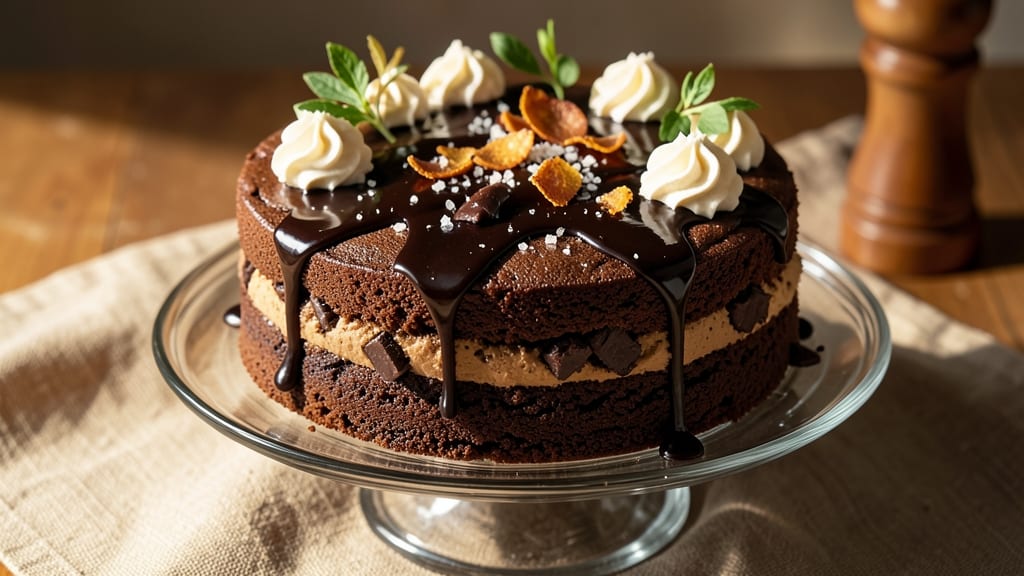
This Black Angus chocolate cake delivers a bold twist on classic dessert with deep, meaty richness and fudgy layers that defy expectations. 💛 The secret lies in using Black Angus beef broth and finely ground beef in the batter, creating a complex flavor profile that balances chocolate's intensity with savory depth.
What sets this apart is the coffee infusion, which enhances moisture while adding a subtle bitterness that cuts through the richness.
The result is a cake that's impossibly moist yet dense enough to hold its shape, with a crumb that's tender yet sturdy. The Black Angus elements add an unexpected umami note that pairs beautifully with chocolate, creating a dessert that's both familiar and excitingly different.
Professional bakers swear by this technique for achieving restaurant-quality depth without compromising on texture.
Perfect for special occasions or when you want to impress, this cake serves 12 and requires just 60 minutes of active time (plus cooling). The layers stay rich and fudgy, not dry, thanks to the beef broth moisture technique.
Top with whipped cream or a caramel drizzle for an elegant finish that makes it look as good as it tastes.
While this recipe includes beef, the actual amount is minimal—just enough to transform the flavor profile without making it a meat dish. Vegetarian adaptations are possible with beef-free broth alternatives. Let's create this unforgettable dessert that redefines chocolate cake expectations.
Ingredients for black angus chocolate cake
These twelve ingredients transform classic chocolate cake into a bold, umami-rich masterpiece.
| Ingredient | Amount | Notes |
|---|---|---|
| Black Angus Beef Broth 🥩 | 1 ½ cups | High-quality, reduced for depth |
| Finely Ground Black Angus Beef 🥩 | ½ cup | Pulverized for umami infusion |
| Unsalted Butter 🧈 | 1 ½ cups | Cold, cubed for creaming |
| Granulated Sugar 🍚 | 2 ½ cups | Superfine preferred for smoothness |
| Dark Chocolate Chunks 🍫 | 12 oz | 70% cocoa minimum, chopped |
| Large Eggs 🥚 | 6 whole | Room temperature, separated |
| All-Purpose Flour 🌾 | 2 ½ cups | Sifted, spooned lightly |
| Espresso Powder ☕ | 2 tbsp | Freshly ground preferred |
| Instant Coffee Granules ☕ | 1 tbsp | Dissolved in beef broth |
| Vanilla Extract 🌿 | 2 tbsp | Pure Madagascar preferred |
| Baking Powder 🍞 | 1 tsp | Aluminum-free for stability |
| Salt 🧂 | ½ tsp | Diamond Crystal preferred |
| Heavy Cream 🥛 | 1 cup | Cold for whipped topping |
| Sour Cream 🥛 | ½ cup | Full-fat for moisture |
The Black Angus beef broth and finely ground beef are the game-changers here—look for premium cuts from specialty butchers like Snake River Farms or US Wellness Meats for authentic flavor. The beef should be pulverized to a near-powder consistency for even infusion. For the chocolate, Valrhona or Callebaut brands deliver the depth needed to complement the meaty notes. Coffee lovers should use freshly ground espresso powder (Lavazza or Illy are excellent choices) to avoid the bitter aftertaste of pre-ground granules. The beef broth should be reduced by half before using to concentrate its flavor.
No beef broth on hand? Substitute with a mix of beef stock and a splash of Worcestershire sauce—though the umami won't be identical. For the beef itself, finely ground coffee granules can mimic some of the depth if you're vegetarian, though the texture will differ. Prefer Dutch-process cocoa over natural? Reduce the espresso powder to 1.5 tablespoons to avoid overpowering bitterness. The heavy cream and sour cream can be swapped for coconut cream in a pinch, though the cake will have a slightly lighter texture. For the flour, King Arthur brand is ideal for its protein balance, but any high-quality all-purpose will work.
Store the beef broth and ground beef mixture in an airtight container in the fridge for up to 5 days or freeze for 3 months—perfect for batch prep. The cake batter can be mixed ahead and refrigerated for 24 hours before baking, which enhances flavor development. Once baked, the layers keep well wrapped at room temperature for 3 days or refrigerated for 1 week. For the whipped cream topping, whip the heavy cream with powdered sugar just before serving to maintain stability—avoid whipping too early as it can deflate. The coffee-infused cake actually improves overnight, so consider baking it a day ahead for special occasions.
Why You'll Love This Recipe
- No Mixing Madness: I swear, this cake comes together with just a few strokes of a whisk—no stand mixer, no stress. The ground beef and broth blend into the batter so smoothly, you’ll wonder why you ever baked anything else.
- Rich, Unexpected Twist: That deep umami from the beef broth and dark chocolate chunks? It’s like a grown-up version of your favorite dessert, but with a savory edge that keeps you reaching for seconds. Honestly, I didn’t think I’d like it, but now it’s my go-to indulgence.
- Weeknight Workhorse: Slice it for breakfast with a dollop of whipped cream, pack it for lunch, or serve it at a potluck—this cake handles any moment. The texture holds up surprisingly well, even when reheated, so it’s my lazy Sunday staple.
- Budget Luxury: You’re basically getting a gourmet dessert for pennies. Black Angus beef might sound fancy, but using broth and finely ground meat stretches the flavor without breaking the bank. Leftovers? They disappear faster than you can say “second slice.”
Step-by-step instructions for Black Angus chocolate cake
Here's the method for crafting a decadent, coffee-infused cake with layers of fudgy richness.
👨🍳 Step 1: Prepare the Coffee-Infused Broth Base
In a small saucepan, combine the 1.5 cups Black Angus Beef Broth with the 1 tablespoon Instant Coffee Granules. Bring to a gentle simmer over medium-low heat and reduce by half—until you're left with about ¾ cup of concentrated, aromatic liquid. You'll see the mixture darken slightly and develop an intense coffee aroma. This reduction intensifies the umami depth while adding moisture to the cake batter. Let it cool completely before using.
While the broth reduces, dissolve the 2 tablespoons Espresso Powder in 2 tablespoons hot water in a separate small bowl. This creates a fine, smooth dispersion that won't settle at the bottom of your batter. Set aside until needed.
🍳 Step 2: Create the Chocolate-Coffee Buttercream
In a stand mixer fitted with the paddle attachment, beat the 1.5 cups Unsalted Butter (cold, cubed) on medium speed until light and fluffy—about 3-4 minutes. Gradually add the 2.5 cups Granulated Sugar and mix until combined. Add the dissolved espresso powder mixture and 2 tablespoons Vanilla Extract, mixing until smooth.
In a separate bowl, whisk together 1 cup Heavy Cream and 0.5 cup Sour Cream until smooth. With the mixer running on low speed, gradually add the cream mixture to the butter-sugar blend. Scrape down the sides as needed. Finally, fold in the 12 oz Dark Chocolate Chunks using a spatula until evenly distributed. This buttercream should be thick but spreadable—if it's too stiff, add 1 teaspoon milk at a time until you reach the right consistency.
👨🍳 Step 3: Make the Moist Chocolate Batter
In a separate large bowl, whisk together the 6 whole Large Eggs (room temperature) and the reduced beef broth mixture until fully combined. Gradually sift in the 2.5 cups All-Purpose Flour, 1 teaspoon Baking Powder, and 0.5 teaspoon Salt, mixing gently until just combined. Be careful not to overmix—the batter should remain smooth with no lumps.
Fold one-third of the batter into the chocolate buttercream to lighten it, then gently fold in the remaining batter until just combined. The final batter should have a thick, fudgy consistency with visible chocolate chunks dispersed throughout. If the batter appears too thick, add 1 tablespoon milk at a time until it reaches a smooth, pourable consistency.
🥘 Step 4: Layer and Bake the Cake
Preheat your oven to 350°F and grease two 9-inch round cake pans with butter, then line the bottoms with parchment paper. Divide the batter evenly between the pans. For extra fudgy layers, I recommend baking at 325°F instead—this lower temperature ensures a denser, moister crumb. Bake for 30-35 minutes or until a toothpick inserted into the center comes out with a few moist crumbs (not wet batter).
Let the cakes cool in the pans for 10 minutes before transferring to a wire rack to cool completely. This gradual cooling prevents cracking. While the cakes cool, prepare your frosting by spreading a thin layer of buttercream between layers and coating the entire exterior. For maximum moisture retention, I recommend brushing the top of each layer with a simple syrup made by dissolving ½ cup sugar in ¼ cup hot water before adding the final buttercream layer.
⏰ Step 5: Rest and Serve for Optimal Texture
Once fully cooled, carefully transfer the cake to a serving plate. For the best texture, allow the cake to rest at room temperature for at least 1 hour before slicing. This resting period allows the flavors to meld and the layers to set properly. The final cake should have a dense, fudgy crumb with rich coffee undertones and pockets of melted chocolate throughout.
Slice into 12 even portions and serve with a dollop of whipped cream or a dusting of cocoa powder. Each bite should deliver a perfect balance of moist cake, intense chocolate flavor, and subtle coffee depth that lingers on the palate. Store any leftovers in an airtight container in the refrigerator for up to 5 days, bringing to room temperature before serving.
Pro Tips For Making Black Angus Chocolate Cake
- Bloom the Chocolate First: The dark chocolate chunks in this recipe will sink like rocks if you toss them in dry. Melt the butter first, then stir in the chocolate off-heat for 2 minutes—just until it softens and coats evenly. (Yes, even if the chunks aren’t fully dissolved; you want texture, not soup.)
- Simmer the Broth Low: Black Angus beef broth is the soul of this cake, but rushing it turns it bitter. Reduce it to a syrupy consistency over low heat—about 20 minutes—until it coats the back of a spoon. Skim any foam that rises, or you’ll end up with a metallic aftertaste.
- Toast the Ground Beef: That finely ground Black Angus beef needs to brown before mixing, not just heat through. Cook it in a dry skillet over medium-high until it’s deep mahogany, not gray. This step adds depth—skip it, and your cake tastes like a savory pudding instead of a rich, meaty dessert.
- Chill the Batter Overnight: This isn’t your average chocolate cake. The beef broth and ground meat make the batter thick and heavy. Let it rest in the fridge for at least 8 hours (or up to 24)—it’ll come together better, and the flavors meld. Trust me, your future self won’t want to bake this twice in one day.
Troubleshooting your black angus chocolate cake
Dry Batter Too Dense
If your cake batter feels too thick after mixing, you’re likely overworking the flour or using cold eggs. First, check that your eggs are room temperature—they should slide easily off the shell. Gradually add 1 tablespoon milk at a time while folding, until the batter reaches a smooth, pourable consistency.
Overmixing develops gluten, making the cake tough. Use a spatula to gently fold, not stir vigorously. For extra moisture, replace 2 tablespoons of the flour with 2 tablespoons cornstarch—it absorbs liquid without adding density. 💫
Cake Cracks on Top
Cracking usually happens when the cake cools too quickly or the oven temperature fluctuates. Prevent this by letting the cake cool in the pan for 10 full minutes before transferring to a wire rack. Avoid opening the oven door during the last 15 minutes of baking to maintain steady heat.
If cracks appear, brush them with a simple syrup (equal parts sugar and water) before frosting—they’ll disappear once the cake absorbs the moisture. For extra insurance, bake at 325°F instead of 350°F—the slower rise reduces stress on the structure.
Frosting Too Thin
A runny buttercream often means the cream mixture wasn’t cold enough or the butter wasn’t whipped to the proper consistency.
Chill your heavy cream and sour cream in the fridge for 30 minutes before whipping, and ensure your butter is cold but not rock-hard (press a cube with your finger—it should dent slightly). If the frosting still separates, add 1 tablespoon powdered sugar at a time until it thickens.
For a quick fix, place the bowl in the freezer for 5-10 minutes while mixing—this helps stabilize the fat. Avoid overmixing after adding the cream, or you’ll trap air and weaken the structure.
Bitter Aftertaste
The coffee infusion can overpower the chocolate if not balanced properly. Start by reducing the espresso powder to 1.5 tablespoons (instead of 2) and use freshly ground Lavazza or Illy for smoother flavor. If the beef broth tastes too strong, dilute it with 2 tablespoons water before reducing.
For a sweeter finish, add 1 extra tablespoon of vanilla extract to the batter—it rounds out bitterness. Taste the reduced broth before mixing; if it’s too intense, simmer it for 5 more minutes to mellow the flavors.
A pinch of salt (up to ¼ teaspoon) can also enhance sweetness perception.
Layers Too Dry
Dry cake layers often result from overbaking or insufficient moisture in the batter. First, check your baking time—pull the cake when a toothpick comes out with moist crumbs, not wet batter.
If the cake still dries out, increase the beef broth by ¼ cup and ensure your chocolate chunks are high-quality (70% cocoa or higher). For extra moisture, brush the cooled layers with simple syrup before frosting.
Store the cake in an airtight container with a slice of bread—it absorbs excess dryness and keeps the cake tender. If baking at high altitude, reduce the sugar by 2 tablespoons to prevent dryness.
Beef Flavor Overpowers
If the beef taste dominates, you likely used too much ground beef or didn’t reduce the broth enough. Start with ¼ cup finely ground beef (instead of ½ cup) and reduce the broth to 1 cup before using.
For a milder umami boost, substitute 1 tablespoon Worcestershire sauce for half the beef. If the flavor still lingers, add 1 extra tablespoon of vanilla extract to the batter—it masks meaty notes while adding depth.
Taste the reduced broth before mixing; if it’s too strong, simmer it uncovered for 5 more minutes to evaporate excess intensity. Balance is key: the beef should enhance, not overpower, the chocolate.
Nutrition facts
Frequently asked questions
Why does this chocolate cake include beef?
Black Angus beef adds a deep, savory umami layer that beautifully complements the chocolate's richness. The finely ground beef and reduced beef broth create a subtle meaty depth without making it a meat dish—think of it like a high-end balsamic reduction for desserts. This technique comes from professional pastry chefs who use premium meat elements to elevate classic desserts.
Can I make this cake without beef?
Yes! For a vegetarian version, substitute the beef broth with 1.5 cups beef-free broth (like mushroom or soy-based) and replace the ground beef with ½ cup finely ground coffee granules. The coffee will mimic some of the umami depth while keeping the chocolate-forward flavor. Reduce the broth by half before using to maintain moisture balance.
How do I store leftovers?
Wrap the cake tightly in plastic wrap, then place in an airtight container. It stays fresh at room temperature for 3 days or refrigerated for 1 week. For best texture, bring slices to room temperature before serving. To revive dried layers, brush with simple syrup (equal parts sugar and water) before frosting or serving.
What's the best way to serve this cake?
Pair it with whipped cream, a dusting of cocoa powder, or a drizzle of salted caramel. For contrast, try a scoop of vanilla bean ice cream or a dollop of mascarpone. The coffee-chocolate-beef combination works beautifully with espresso drinks—serve with a small cup of hot coffee for the full experience.
Can I make this cake in a bundt pan?
Yes, but expect a different texture—bundt cakes bake longer and develop a denser crust. Reduce baking time by 5-10 minutes and check for doneness at 30 minutes. The layers will be more uniform but slightly less moist. For best results, use a 10-inch bundt pan and reduce the batter by ¼ cup to prevent overflow.