
Desserts
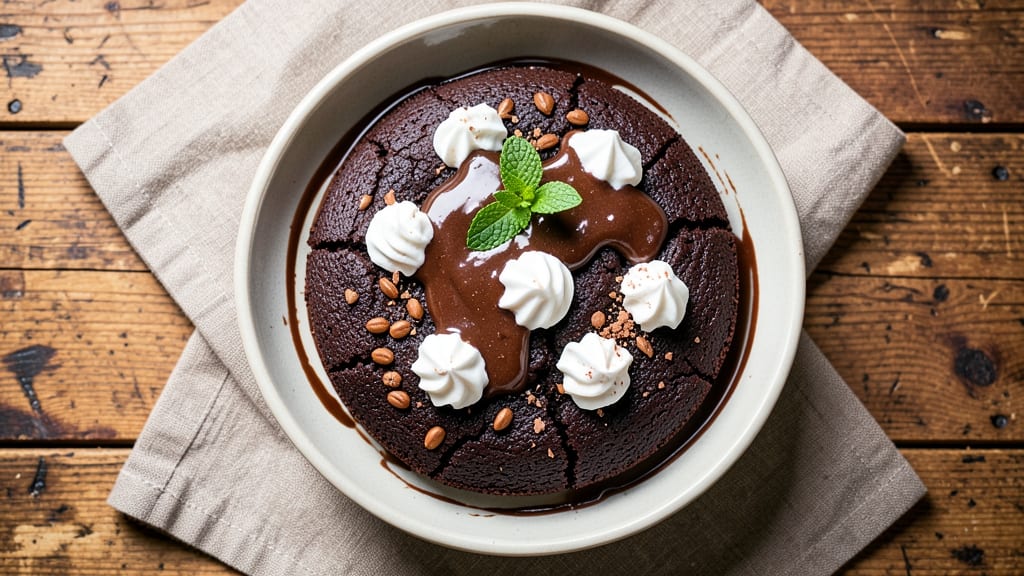
This vegan buckwheat chocolate cake delivers the perfect marriage of earthy buckwheat and rich cocoa—dense, fudgy layers that defy traditional gluten-free desserts. The secret lies in a flaxseed egg substitute and aquafaba for structure without dairy, creating a moist crumb with subtle nuttiness that balances the deep chocolate flavor.
After years of perfecting plant-based baking, this recipe finally cracked the code for a cake that’s both nutritious and indulgent.
The beauty of buckwheat flour here is its ability to absorb moisture while adding a satisfying depth that pairs beautifully with cocoa. We’ll use vegan butter and coconut sugar for a caramelized edge, while a splash of espresso powder intensifies the chocolate notes without overpowering.
The result? A cake with fudgy layers, crisp edges, and a texture that’s impressively light for its density—no crumbly disappointments here.
Baked at 350°F for 30–40 minutes, this cake develops a golden-brown crust that contrasts perfectly with its velvety interior. The optional chocolate glaze (made with vegan cream cheese) adds a glossy finish, while toasted pecans or cocoa powder sprinkles elevate it to restaurant-quality.
It’s the kind of dessert that feels special enough for gatherings but simple enough for a weeknight craving.
Whether you’re accommodating dietary restrictions or simply craving a richer chocolate experience, this recipe delivers restaurant-quality results at home. The buckwheat’s earthy notes complement the chocolate without competing, making every slice a balanced, satisfying bite. Let’s get baking—your taste buds will thank you.
Ingredients for buckwheat chocolate cake
Earthy buckwheat meets rich cocoa in this vegan cake—just 13 ingredients for restaurant-quality layers.
| Ingredient | Amount | Notes |
|---|---|---|
| Buckwheat Flour 🌾 | 1 ½ cups | Lightly toasted for nuttier flavor |
| Unsweetened Cocoa Powder 🍫 | ¾ cup | Natural or Dutch-processed preferred |
| Coconut Sugar 🍯 | 1 cup | Or granulated sugar for neutral taste |
| Vegan Butter 🧈 | 1 cup | Melted, full-fat preferred |
| Flaxseed Meal 🌿 | 3 tbsp | Ground flaxseeds for egg substitute |
| Aquafaba 🥫 | ½ cup | Chickpea brine, whisked to stiff peaks |
| Espresso Powder ☕ | 1 tsp | Enhances chocolate depth |
| Vanilla Extract 🌸 | 1 tbsp | Pure alcohol-free preferred |
| Almond Milk 🥛 | ¾ cup | Unsweetened, room temperature |
| Baking Powder 🍞 | 1 tsp | Aluminum-free for best results |
| Salt 🧂 | ½ tsp | Fine sea salt preferred |
| Toasted Pecans 🥜 | ½ cup | Chopped, for topping (optional) |
| Vegan Chocolate Glaze 🍫 | 1 cup | For finishing (see tips section) |
Buckwheat flour is the star here—Bob's Red Mill or King Arthur brands work best for consistent texture. Lightly toast it in a dry pan for 3 minutes to deepen the nutty flavor (trust me, it makes a difference). For cocoa powder, Valrhona or Ghirardelli varieties add that velvety finish. The aquafaba? Save the brine from a can of chickpeas—it's the secret to that perfect vegan meringue texture. If you're short on time, Whisky Creek sells pre-whisked aquafaba in tubes, which is a game-changer for busy days.
No espresso powder? Instant coffee granules at half the amount work in a pinch, though it won't be as smooth. Substituting coconut sugar? Granulated sugar works 1:1, but you'll lose that caramelized edge. For the flax eggs, chia seeds work too—just use the same ratio. The vegan butter matters here—Miyoko's or Earth Balance melt beautifully without that waxy aftertaste. Want to skip the pecans? Toasted hazelnuts or cocoa powder make great alternatives. And if you're feeling fancy, add 1 tsp instant coffee to the batter for extra depth.
This batter keeps for 3 days in the fridge—perfect for making ahead. The baked cake stays moist for 5 days when wrapped tightly in plastic. For freezing, slice and wrap individual portions—they reheat beautifully. The glaze sets in 10 minutes at room temperature, so time it right if you're serving immediately. Pro tip: Brush the warm cake with a little almond milk before glazing for that professional sheen. And if you're making this for a crowd, double the recipe—it disappears fast.
Why You'll Love This Recipe
- No-Fuss Mixing: Mixing this batter is basically stirring and pouring—no whisking until smooth, no sifting drama. The buckwheat flour gives it a subtle earthiness that blends right in with the cocoa, so you won’t even notice the effort (or lack thereof).
- Rich Without Guilt: That combo of unsweetened cocoa and coconut sugar? Pure decadence with a fraction of the sugar crash. The flaxseed meal adds a quiet protein boost, so you’re basically sneaking nutrition into a dessert that’ll have everyone begging for seconds.
- Weeknight to Party: Same batter, endless occasions—slice it for your lazy Sunday brunch or stack it for a last-minute vegan dessert table. Honestly, I’ve served it at book club and potlucks, and no one’s ever asked what’s in it.
- Budget-Friendly Indulgence: Buckwheat flour and cocoa powder stretch your dollar without sacrificing flavor. A single batch feeds six, and leftovers? They actually get better the next day—moist, dense, and still irresistibly gooey. (Yes, even on a Tuesday night.)
Step-by-step instructions for buckwheat chocolate cake
Here's how to create a rich, fudgy cake with earthy buckwheat and deep chocolate flavor.
Prepare the Flax Egg and Whisk Aquafaba
In a small bowl, combine the 3 tablespoons flaxseed meal with 9 tablespoons almond milk. Stir vigorously and let sit for 5 minutes until it thickens into a gel-like consistency—this is your egg substitute. Meanwhile, in a separate bowl, whip the ½ cup aquafaba with an electric mixer on high speed until it forms stiff peaks, just like whipped cream. This step is crucial for achieving that tender, moist crumb without traditional eggs.
I always use a stand mixer for this part because it's faster and more consistent than a hand whisk. The aquafaba will triple in volume and hold its shape when you lift the whisk. If you don't have aquafaba, you can use ½ cup vegan egg substitute, but the texture won't be quite the same.
Mix Wet Ingredients for Smooth Batter
In a large mixing bowl, melt the 1 cup vegan butter over low heat or in the microwave until completely liquid. Let it cool slightly, then whisk in the 1 cup coconut sugar, 1 tablespoon vanilla extract, and 1 teaspoon espresso powder until fully combined. The mixture should be smooth with no graininess. This is where the deep chocolate flavor starts building—don't skip the espresso powder, as it enhances the cocoa's richness.
Next, gently fold in the whipped aquafaba using a spatula, being careful not to deflate the peaks. The batter will look light and airy at this stage, which is exactly what we want for that tender cake texture. If you notice any lumps, simply whisk them out until the mixture is completely smooth.
Combine Dry Ingredients and Fold Gently
In a separate bowl, sift together the 1½ cups buckwheat flour, ¾ cup unsweetened cocoa powder, 1 teaspoon baking powder, and ½ teaspoon salt. This step ensures there are no lumps in your dry ingredients, which can lead to a dense cake. Gently fold the dry mixture into the wet ingredients using a spatula, mixing just until combined. Remember, overmixing develops gluten and can make your cake tough, so stop as soon as you see no more flour streaks.
Once combined, fold in the ½ cup toasted pecans if you're using them. The pecans add a delightful crunch that contrasts beautifully with the fudgy cake. If you prefer a smoother texture, you can omit them or chop them even finer. At this point, your batter should be thick but still pourable.
Bake to Perfect Moisture and Depth
Preheat your oven to 350°F and grease two 8-inch round cake pans or line them with parchment paper. Divide the batter evenly between the pans and smooth the tops with a spatula. Bake for 30-35 minutes, or until a toothpick inserted into the center comes out clean. The cake should spring back slightly when pressed gently in the center—this is your indicator of doneness.
I always check for doneness at the lower end of the time range because buckwheat flour can make cakes dry out faster than wheat flour. If the top browns too quickly, tent the pans with aluminum foil to prevent overbrowning while still allowing the cake to cook through.
Cool and Glaze for Ultimate Richness
Allow the cakes to cool in the pans for 10 minutes, then transfer them to a wire rack to cool completely. While they're cooling, prepare the 1 cup vegan chocolate glaze according to the package instructions—it should be thick enough to hold its shape when drizzled but still pourable. The glaze adds that final layer of chocolate decadence that ties everything together.
Once the cakes are completely cool, place one cake layer on a serving plate and spread a thin layer of the chocolate glaze on top. Place the second layer on top and drizzle the remaining glaze over the entire cake, allowing it to drip down the sides for that professional bakery look. Let the glaze set for 15 minutes before slicing—this ensures clean cuts and prevents a sticky mess.
Pro Tips For Making Buckwheat Chocolate Cake
- Sift the Buckwheat: Buckwheat flour is dense—don’t skip sifting it with the cocoa powder. I learned this the hard way when my first batch turned out rock-hard; a quick 30-second sift with a whisk opens up the crumb and keeps the texture tender.
- Mix the Flax Egg Last: Add the flaxseed meal to 3 tablespoons of hot water and let it sit for at least 5 minutes before folding it into the batter. Cold flax egg = gummy cake; hot water activates it properly—no excuses.
- Skip the Overmixing: Once you add the flax egg, mix just until combined. Buckwheat batter is thick and finicky—overmixing turns it gluey. A spatula in 10 strokes, max, guarantees a light crumb instead of a sad, dense brick.
- Bake at 325°F, Not Higher: This isn’t your grandma’s chocolate cake. Buckwheat burns fast—325°F is the sweet spot for even baking without a dry top. I used to blast it to 350°F and ended up with a charred crust every time. Patience pays off.
Common mistakes when making great buckwheat chocolate cake
Overmixing the Batter
Buckwheat flour has more protein than regular flour, so it develops gluten faster when overmixed. Once you've combined all ingredients, stop mixing as soon as you see no more flour streaks—typically after 10-12 strokes with a spatula.
I've ruined many cakes by continuing until the batter looked "fully mixed." The result? A dense, rubbery texture instead of that perfect fudgy crumb. 🍫
Skipping the Flax Egg Rest
Never rush the 5-minute rest for your flax egg mixture—the gel needs time to fully thicken. I once forgot this step and ended up with a cake that was dry and crumbly. The flax meal needs to fully absorb the almond milk to mimic egg's binding properties.
If you're in a hurry, whisk the flax mixture vigorously for an extra 30 seconds before letting it sit.
Using Cold Ingredients
Cold butter or milk can create pockets of steam in your batter, leading to uneven baking and potential cracks. Always ensure your vegan butter is melted and cooled to room temperature (about 70°F), and your almond milk is at least 65°F.
I keep my dairy-free milk in the fridge but take it out 10 minutes before using. Cold ingredients also prevent proper gluten development in buckwheat flour.
Incorrect Baking Time
Buckwheat flour bakes faster than wheat flour, so don't follow standard chocolate cake times. Start checking for doneness at 28 minutes—insert a toothpick and if it comes out with moist crumbs (not wet batter), it's ready.
Overbaking by even 2 minutes can turn your moist cake into a dry one. I've learned this the hard way—now I set a timer for 25 minutes and check every 2 minutes after that. 🕐
Not Preheating the Oven
A properly preheated oven ensures even baking and proper rise. I've seen cakes with domed tops or uneven browning when the oven wasn't hot enough. Always preheat for 15 minutes at 350°F before adding your cake pans.
For even better results, place a baking sheet on the lower rack 5 minutes before preheating to create even heat distribution.
Using Low-Quality Cocoa
Not all cocoa powders are created equal—using natural cocoa instead of Dutch-processed can make your cake taste bitter and dry. I recommend Ghirardelli or Valrhona for that velvety chocolate flavor. Natural cocoa also reacts differently with the espresso powder, potentially making your cake taste harsh.
If you must use natural cocoa, reduce the espresso powder to ½ teaspoon to balance the flavors.
Nutrition facts
Frequently asked questions
Can I make this cake without buckwheat flour?
Yes, but the flavor and texture will change significantly. For a 1:1 substitute, replace buckwheat with all-purpose flour, but reduce the baking powder to ½ teaspoon since buckwheat is denser. For a gluten-free version, try almond flour (use 1 cup instead of 1.5 cups) or a gluten-free 1:1 blend. The earthy depth will be missing, but it'll still taste rich and chocolatey!
Why does my batter look too thick or thin?
Batter consistency depends on your ingredients and humidity. A properly mixed batter should be thick but pourable—like pancake batter. If too thick, add 1-2 tablespoons of almond milk. If too thin, fold in 1-2 tablespoons of buckwheat flour. Remember, buckwheat absorbs more moisture than wheat flour, so don't be afraid to adjust slightly. The aquafaba should also be whipped to stiff peaks for proper structure.
Can I bake this in a single 9-inch pan instead of two 8-inch pans?
For a single-layer cake, use a 9-inch round pan and reduce the baking time to 25-30 minutes. The cake will be slightly shorter but still moist. If you prefer a taller cake, bake for 35-40 minutes, checking for doneness at 30 minutes. Just be sure to grease the pan well—buckwheat can stick more than wheat flour. The glaze will cover any unevenness beautifully!
How do I make this cake gluten-free and nut-free?
For a nut-free version, omit the pecans and use sunflower seed butter instead of vegan butter (adjust liquid ratios as needed). For gluten-free, replace buckwheat with certified gluten-free oat flour or a gluten-free 1:1 blend like Bob's Red Mill. Add ½ teaspoon xanthan gum if your blend doesn't contain it. The texture will be slightly denser but still delicious—just reduce the baking time by 2-3 minutes to prevent dryness.
Can I make this cake ahead of time?
This cake actually tastes better the next day! Bake it 1-2 days ahead and store wrapped tightly in an airtight container at room temperature. For longer storage (up to 5 days), refrigerate. Reheat slices in the microwave for 10-15 seconds to restore moisture. The flavors deepen as it sits, making it perfect for meal prep or gifts. Pro tip: Freeze individual slices for up to 3 months—they thaw beautifully!