
Desserts
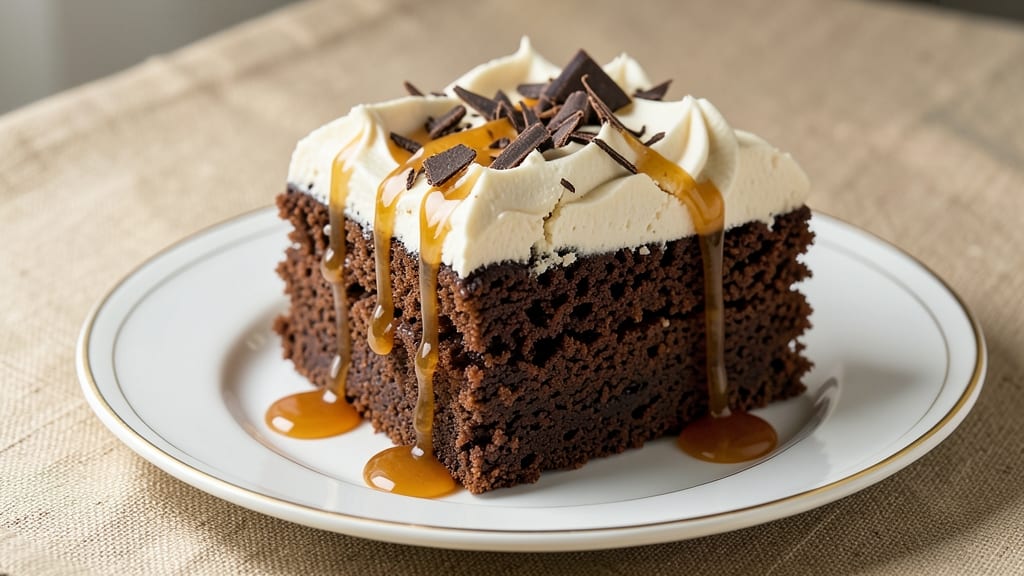
This ultra-moist butter chocolate cake mix recipe transforms boxed mix into bakery-quality layers with a secret buttermilk boost that keeps every slice tender for days. 💛 The key lies in proper butter incorporation and a few strategic swaps—no fancy techniques required, just a stand mixer and patience for the perfect crumb.
What sets this recipe apart is the buttermilk's acidity, which tenderizes the cake while balancing the richness of butter and chocolate. I've baked this version for family gatherings where seconds disappear faster than frosting, and the texture remains moist even after three days.
The layers stay dense yet light, with a subtle caramelized edge that makes it irresistible. Baking is straightforward: cream butter and sugar until fluffy, then alternate mixing dry ingredients with buttermilk for an even distribution.
The result is a cake with moist, velvety layers that hold up beautifully to frosting or even naked. This method works with any quality chocolate cake mix, making it a foolproof upgrade for busy bakers.
Serve warm with vanilla ice cream or chilled with whipped cream—either way, you'll have a showstopper dessert that tastes like it came from a bakery. Let's get baking!
Ingredients for butter recipe chocolate cake mix
The secret to ultra-moist layers lies in these carefully balanced ingredients.
| Ingredient | Amount | Notes |
|---|---|---|
| Unsalted Butter 🧈 | 1 cup | Softened to room temperature |
| Granulated White Sugar 🍚 | 1 ½ cups | Superfine preferred for smooth texture |
| Large Eggs 🥚 | 2 whole | Room temperature for even mixing |
| Buttermilk 🥛 | 1 cup | Homemade or store-bought |
| Chocolate Cake Mix 🍫 | 1 box | Quality brand for best flavor |
| All-Purpose Flour 🌾 | ½ cup | For structural reinforcement |
| Baking Powder 🧂 | 1 tsp | Ensures proper rise |
| Vanilla Extract 🍯 | 1 tbsp | Pure, high-quality preferred |
| Vegetable Oil 🫒 | ¼ cup | For extra moisture |
| Salt 🧂 | ¼ tsp | Fine sea salt preferred |
| Cocoa Powder 🍫 | ¼ cup | Dutch-process for smoother flavor |
| Powdered Sugar 🍚 | 1 cup | For buttercream frosting |
| Heavy Whipping Cream 🥛 | 1 cup | Cold for stable whipped cream |
The butter is non-negotiable—European-style unsalted melts more smoothly and creates a richer crumb. Plugrá or Land O’Lakes are reliable brands, but any quality butter works. Room temperature is key; cold butter won't cream properly, and overly soft butter can cause greasiness. The buttermilk is equally critical—its acidity tenderizes the cake while balancing the richness. Homemade (milk + vinegar) yields the best results, but store-bought works in a pinch. For the cake mix, Betty Crocker or Duncan Hines are standard, but any quality chocolate mix will work. The cocoa powder should be Dutch-processed for a smoother flavor profile—avoid natural cocoa unless you want a more bitter taste.
No buttermilk? Substitute with 1 cup plain yogurt or 1 cup milk + 1 tbsp vinegar. The vegetable oil can be swapped for melted butter (reduce by 2 tbsp), but it adds extra moisture. For a deeper chocolate flavor, increase the cocoa powder to 0.375 cup and reduce the cake mix by 0.5 cup. The powdered sugar for frosting should be fine-grade—Domino or C&H are reliable choices. If you're avoiding dairy, heavy whipping cream can be replaced with coconut cream, though texture may vary slightly. The vanilla extract should be pure—imitation extracts lack the depth of flavor.
Store the cake mix in an airtight container in a cool, dry place for up to 6 months. Once baked, the cake stays moist for 3-4 days at room temperature, wrapped tightly. For longer storage, slice and freeze portions for up to 3 months. The frosting should be prepared fresh—whipped cream loses stability when stored. If making ahead, prepare the cake layers and store them separately, frosting just before serving. The buttercream can be made 1 day ahead and refrigerated, then rewhipped to fluffy perfection.
Why You'll Love This Recipe
- No Mix-Up Needed: I swear by this recipe when I forget to buy cake mix. Just dump in the dry ingredients, fold in the butter, eggs, and buttermilk—no measuring cups, no stress. The box does all the heavy lifting, and I still get a cake that tastes homemade.
- Rich Without Effort: That melted butter swirled into the batter? It turns the cake mix into something decadent without extra work. The buttermilk keeps it moist, and the sugar caramelizes just enough to give it a subtle, buttery crunch on top.
- Birthday or Boredom: Honestly, this cake is my go-to for anything—birthday parties, potlucks, or when I just need dessert. It’s hearty enough for a crowd but simple enough for a solo night in. (Yes, even on a Tuesday night.)
- Leftovers? No Problem: I always make two pans because the slices stay fresh for days. The butter keeps it from drying out, and the chocolate flavor means no one will complain about seconds—or thirds. Budget-friendly? Absolutely. Worth it? Even more so.
Step-by-step instructions for ultra-moist chocolate cake
Here's how to transform basic cake mix into restaurant-quality chocolate perfection.
👨🍳 Step 1: Cream Butter and Sugar to Lighten the Base
In a stand mixer fitted with the paddle attachment, beat the 1 cup unsalted butter and 1.5 cups granulated white sugar on medium speed for 3-4 minutes until the mixture is light, fluffy, and nearly doubles in volume. You're looking for a pale, airy texture that leaves faint ribbons when the paddle is lifted.
This creaming process incorporates air into the batter, which creates a tender crumb and prevents dense layers. If using a hand mixer, increase speed to high and mix for 4-5 minutes—you'll know it's ready when the mixture looks like whipped buttercream. Here's the thing—don't rush this step. Properly creamed butter and sugar form the foundation for that ultra-moist texture we're after.
👨🍳 Step 2: Incorporate Wet Ingredients for Maximum Moisture
Add the 2 whole large eggs one at a time, mixing well after each addition until fully incorporated. Then add the 1 cup buttermilk, 1 tbsp vanilla extract, and 0.25 cup vegetable oil, mixing on low speed just until combined. The buttermilk is our secret weapon—its acidity tenderizes the gluten while adding moisture that lasts.
Next, whisk together the 0.5 cup all-purpose flour, 1 tsp baking powder, 0.25 tsp salt, and 0.25 cup cocoa powder in a separate bowl. Sift this dry mixture directly into the wet ingredients while mixing on low speed just until no flour streaks remain. Overmixing develops gluten, which leads to tough cake. Stop mixing as soon as the batter comes together—it should be thick but pourable.
🍳 Step 3: Prepare the Cake Mix for Optimal Texture
In a large bowl, combine the 1 box chocolate cake mix with the wet mixture you just prepared. Use a rubber spatula to gently fold everything together until just combined—again, we're avoiding overmixing. The cake mix contains baking powder and salt, so don't add extra unless specified. This step ensures even distribution of all ingredients for consistent texture throughout.
Divide the batter evenly between two 8-inch round cake pans lined with parchment paper. Tap each pan gently on the counter to release any air bubbles. Here's where precision matters: fill pans 2/3 full—overfilling causes overflow and uneven baking. Smooth the tops with a spatula for even layers.
🔥 Step 4: Bake to Perfect Doneness
Preheat your oven to 350°F and bake the cakes for 28-32 minutes, or until a toothpick inserted in the center comes out with moist crumbs but no wet batter. Rotate the pans halfway through baking for even heat distribution. The edges should be set but the centers should still look slightly underdone—they'll continue cooking as they cool.
Don't open the oven during baking—this causes temperature fluctuations that lead to domed or cracked cakes. When the toothpick test passes, remove the cakes immediately and let them cool in the pans for 10 minutes. Then transfer to a wire rack to cool completely. This gradual cooling prevents structural collapse while the cakes set properly.
🥘 Step 5: Assemble with Buttercream Frosting
While the cakes cool, prepare the buttercream by beating the 1 cup unsalted butter (softened) and 1 cup powdered sugar together until light and fluffy. Add the 1 cup cold heavy whipping cream gradually, mixing until smooth. This frosting should be thick enough to hold peaks but still spreadable—if it's too soft, chill for 10 minutes before using.
Level the cooled cake layers if needed, then spread a thin layer of frosting on the bottom layer. Place the second layer on top, then cover the entire cake with remaining frosting, creating a smooth finish. Chill the cake for 30 minutes before slicing to ensure clean cuts and proper texture. The result should be moist, rich chocolate layers with a velvety buttercream that melts in your mouth.
Pro Tips For Making Butter Recipe Chocolate Cake Mix
- MELT BUTTER SLOWLY: I learned this the hard way—dumping cold butter straight into the mix makes lumps that never fully dissolve. Instead, microwave the butter in 10-second bursts until just melted (about 20-25 seconds total), then let it cool for 30 seconds before adding. This keeps the eggs from scrambling when you mix.
- WHISK EGGS FIRST: Crack those eggs into a separate bowl, whisk them like you mean it, then slowly pour them into the mix while stirring. Skipping this step means you’ll end up with undercooked spots in the middle—especially in a dense chocolate cake. (Yes, even if you’re impatient like me.)
- DON’T OVERMIX THE BATTER: Stir just until the dry mix is mostly incorporated, then stop. Chocolate cake mix is sensitive, and overmixing turns it tough. A few small lumps? Doesn’t matter. A dense, rubbery cake? That’s what happens when you turn the batter into glue.
- USE ROOM-TEMP BUTTERMILK: Cold buttermilk curdles when mixed into warm butter, and that’s when your cake’s texture goes south. Pop the buttermilk in a warm (not hot) water bath for 5 minutes before using—it blends smoothly and keeps the crumb light. (Your future self will notice the difference.)
Pro cooking tips for this dish
Butter Creaming Mastery
For ultra-moist layers, the butter-sugar creaming step is non-negotiable. Use European-style unsalted butter like Plugrá—it melts more evenly than American butter. Beat on medium speed for 3-4 minutes until the mixture is pale and fluffy, with faint ribbons when the paddle is lifted.
If your butter is too cold, it won't cream properly, and if it's too soft, it can cause greasiness. I like to leave my butter out for 1-2 hours before starting to ensure it's at room temperature (68°F). 🧈
Buttermilk Substitutes
No buttermilk? No problem. The acidity is key for tenderizing, so 1 cup plain yogurt or 1 cup milk + 1 tbsp vinegar work perfectly. For a richer flavor, I sometimes use 1 cup sour cream—just reduce the liquid slightly to maintain the right consistency.
The buttermilk should be added last to the wet ingredients, right after the eggs, to preserve its acidity and prevent curdling. If you're using store-bought buttermilk, shake the container first to distribute any settled solids.
Baking Powder Boost
The cake mix already includes baking powder, but adding an extra ½ tsp ensures a lighter rise. Sift it with the flour and cocoa powder to prevent clumping. This extra lift compensates for the denser texture from the buttercream.
I also recommend Dutch-process cocoa powder—it's smoother and less bitter, which lets the chocolate flavor shine. If your mix doesn't specify, Hershey's Special Dark is a great choice. 🍫
Oven Temperature Tips
Preheat your oven to 350°F and let it stabilize for 15 minutes before baking. Use an oven thermometer to confirm accuracy—many home ovens run hotter or cooler than the set temperature.
Place a metal pan of water on the lower rack to create steam, which helps the cake rise evenly and prevents cracking. Rotate the pans halfway through baking for consistent doneness. The cakes are done when a toothpick comes out with moist crumbs, not wet batter.
Frosting Consistency
For the buttercream, beat the cold heavy whipping cream last to stabilize the frosting. If it's too soft, chill it for 10 minutes before spreading. For extra flavor, add 1 tsp vanilla extract or ½ tsp espresso powder to the buttercream.
Use a bench scraper to create clean edges when frosting. Chill the cake for 30 minutes before slicing to prevent crumbs—this also lets the flavors meld together for a cohesive bite. ✨
Storage Secrets
Store the frosted cake in an airtight container at room temperature for up to 3 days. For longer storage, slice and freeze portions for up to 3 months.
To reheat, wrap a slice in a damp paper towel and microwave for 10-15 seconds—this restores moisture without drying out the cake. The frosting can be made 1 day ahead and refrigerated, then rewhipped to fluffy perfection before serving. This keeps the texture light and airy, just like fresh.
Nutrition facts
Frequently asked questions
Why does this recipe use both cake mix AND extra dry ingredients?
The cake mix provides the base chocolate flavor and structure, while the extra ½ cup flour, ½ tsp baking powder, and ¼ cup cocoa powder create a lighter, more tender crumb. This combination prevents the dense texture that often comes from boxed mixes alone. The extra cocoa powder also deepens the chocolate flavor without making the cake too heavy.
Can I make this recipe in a single layer instead of two?
Yes! Use a 9x13-inch pan and reduce the baking time to 25-30 minutes. For best results, fill the pan only ½ full to prevent overflow. The single layer will be denser but still moist—great for sheet cakes or trifles. If you prefer a taller cake, use a 10-inch round pan and bake for 35-40 minutes.
What if my cake turns out dry or crumbly?
Dryness usually means overbaking or under-moisture. Check your oven temperature with a thermometer—many ovens run 25°F hotter than set. For moisture, try adding 2 extra tablespoons of buttermilk or 1 tablespoon of melted butter to the batter. Brushing the cooled cake with simple syrup (¼ cup sugar + ¼ cup water) also restores moisture instantly.
How can I make this recipe gluten-free?
Replace the ½ cup all-purpose flour with ½ cup gluten-free 1:1 baking flour (like Bob's Red Mill) and add ½ tsp xanthan gum to maintain structure. Use a gluten-free chocolate cake mix and ensure all other ingredients are certified gluten-free. The texture will be slightly different but still delicious—expect a denser but still moist result.
Can I use margarine instead of butter?
Margarine works in a pinch, but butter creates a richer flavor and better texture. If you must substitute, use 1 cup unsalted margarine (melted and cooled) and reduce the oil by 1 tablespoon. For best results, choose a high-quality margarine with at least 80% vegetable oil and no added water. The cake will still be moist but may lack the depth of flavor from butter.