
Desserts
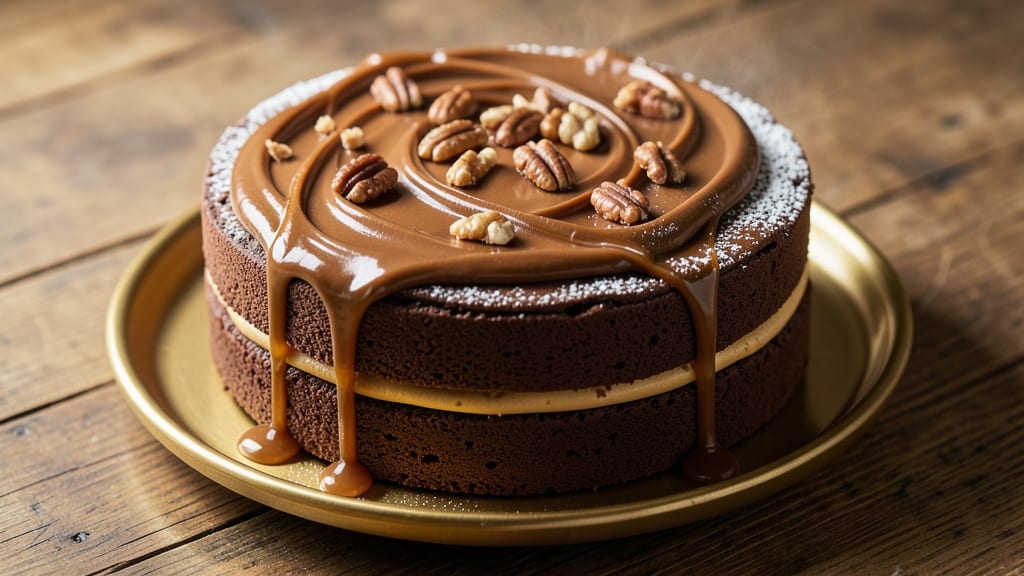
This butterscotch chocolate cake recipe delivers the perfect balance of rich cocoa and caramelized sweetness, with a crispy top that begs to be broken into. The secret lies in swirling butterscotch sauce into each layer, creating pockets of molten caramel that melt with every bite.
I've perfected this technique over years of baking, ensuring each slice is decadent yet approachable for home bakers.
The cake's foundation starts with a classic creaming method—where butter and sugar are beaten until light and fluffy—before adding eggs and vanilla. What sets this apart is the butterscotch sauce, made from brown sugar, butter, and cream, that gets swirled into the batter before baking.
This creates those signature caramel ribbons that make it irresistible. The frosting? A simple buttercream that complements rather than competes with the cake's natural flavors.
What you'll end up with is a cake that's rich, moist, and perfectly balanced—deep chocolate flavor with a hint of butterscotch sweetness. The crispy top contrasts beautifully with the tender crumb inside, while the caramel swirls add a luxurious touch.
It's the kind of dessert that feels special enough for celebrations but simple enough for a weeknight treat.
Whether you're serving it at a birthday party or enjoying a slice with coffee, this cake delivers restaurant-quality results with minimal fuss. The recipe scales easily, so you can adjust the size to fit your needs. Let's get baking!
Ingredients for butterscotch chocolate cake
Buttery richness meets caramel swirls—here's what makes this cake unforgettable.
| Ingredient | Amount | Notes |
|---|---|---|
| Unsalted Butter 🧈 | 1 ½ cups | Room temperature for creaming |
| Granulated Sugar 🍚 | 2 cups | Superfine preferred for smoothness |
| Light Brown Sugar 🍚 | 1 ½ cups | Packed, for butterscotch sauce |
| Large Eggs 🥚 | 4 whole | Room temperature for even mixing |
| All-Purpose Flour 🌾 | 2 ½ cups | Sifted, for light texture |
| Unsweetened Cocoa Powder 🍫 | ¾ cup | Natural or Dutch-processed |
| Baking Powder 🧂 | 2 tsp | Aluminum-free preferred |
| Salt 🧂 | ½ tsp | Fine sea salt |
| Pure Vanilla Extract 🌿 | 2 tsp | Bourbon or Madagascar preferred |
| Heavy Whipping Cream 🥛 | 1 cup | Full-fat for sauce richness |
| Whole Milk 🥛 | ½ cup | Room temperature for mixing |
| Butterscotch Chips 🍬 | 1 ½ cups | For caramel swirls |
| Powdered Sugar 🍚 | 4 cups | For buttercream frosting |
| Vanilla Buttercream Frosting 🍰 | 2 cups | Store-bought or homemade |
The butter and sugars are non-negotiable here—European-style unsalted butter like Plugrá gives that velvety texture, while superfine sugar dissolves perfectly. I always grab Dominique sugar for the cake layer—it's worth the splurge for that ultra-smooth crumb. Brown sugar for the butterscotch sauce? Light brown, packed tightly—dark brown gets too intense. Pro tip: Toast the brown sugar in a dry pan for 2 minutes before mixing to deepen the caramel notes. The cocoa powder matters too—Valrhona or Dutch-processed keeps the flavor balanced and prevents bitterness. If you're using natural cocoa, add an extra pinch of baking soda to the dry ingredients for better lift.
No butterscotch chips? Melted butterscotch candy bars work in a pinch—just chop them finely. Running short on vanilla? Vanilla bean paste adds depth without extra cost. The frosting can be store-bought (I won't judge), but homemade buttercream with European-style butter and vanilla bean makes all the difference. For the caramel swirls, fold in the butterscotch chips at the very end—just enough to create ribbons without overpowering. The cake batter should be thick but pourable; if it's too stiff, add a splash of milk. And for that crispy top? Broil for 2-3 minutes at the end—watch it like a hawk to avoid burning.
This cake keeps beautifully—3 days at room temperature covered loosely, or 1 week refrigerated in layers separated by parchment. The butterscotch sauce hardens slightly when chilled, so bring it to room temp before serving. For make-ahead magic, bake the layers and frost them the day before; the flavors meld even better overnight. Store frosting separately and whip it back up before serving. Freeze unfrosted layers for 3 months—thaw overnight in the fridge. And if anyone asks, the secret to the crispy top? Don't overmix the batter—fold just until combined.
Why You'll Love This Recipe
- One-Bowl Wonder: I swear by this recipe—just mix, bake, and forget about the mess. No fancy layers or piping here; the rich butterscotch swirl comes from folding in melted butter and brown sugar right into the batter. Honestly, my counter stays cleaner than when I attempt anything with multiple bowls.
- Caramel Hugs: That perfect balance of chocolate and butterscotch? It’s like a warm embrace in cake form. The brown sugar adds a deep, toasty sweetness that cuts through the bitterness of cocoa, while the butter keeps it moist without being heavy. (Yes, even on a Tuesday night.)
- Party Ready: Serve it at a birthday, holiday dessert table, or just because—it’s always a crowd-pleaser. The butterscotch flavor feels fancy, but the simple ingredients keep it budget-friendly. Between us, I’ve made this for potlucks where I was the only one bringing dessert, and no one left a crumb.
- Leftovers? Better: This cake actually improves the next day. The flavors meld, and the texture stays tender. I’ve wrapped slices in parchment and stashed them in the fridge for up to five days—perfect for when you bake once and eat all week. No sad, dry cake here.
Step-by-step instructions for butterscotch chocolate cake
Here's how to create a decadent butterscotch chocolate cake with molten caramel swirls and a perfectly crispy top.
Cream Butter and Sugars Together
In a stand mixer fitted with the paddle attachment, beat the 1.5 cups unsalted butter on medium speed until smooth and creamy. Gradually add the 2 cups granulated sugar and 1.5 cups light brown sugar, mixing continuously until the mixture is light and fluffy—about 3-4 minutes. This step is crucial for incorporating air that will create that signature crispy top.
Here's the thing—you want the butter to be at room temperature but not overly soft. If it feels greasy, chill the bowl for 10 minutes before continuing. The sugar should dissolve completely, leaving no graininess behind. Scrape down the sides of the bowl with a spatula to ensure even mixing.
Add Eggs and Dry Ingredients
Add the 4 whole large eggs, one at a time, mixing well after each addition. Once incorporated, add the 2 teaspoons pure vanilla extract and mix for another 30 seconds. In a separate bowl, whisk together the 2.5 cups all-purpose flour, 0.75 cup unsweetened cocoa powder, 2 teaspoons baking powder, and 0.5 teaspoon salt. Sift the dry ingredients directly into the wet mixture.
Mix on low speed just until combined—you should still see some flour streaks. Overmixing develops gluten, which can make the cake dense. The batter should be thick but smooth, with a rich chocolate-brown color. If it looks too thick, add the 0.5 cup whole milk to loosen it slightly.
Fold in Butterscotch Chips and Prepare Pans
Using a rubber spatula, gently fold in the 1.5 cups butterscotch chips until evenly distributed throughout the batter. The chips will melt during baking, creating those irresistible caramel swirls. Meanwhile, preheat your oven to 350°F and grease two 8-inch round cake pans with butter, then dust them with flour or cocoa powder for easy release.
Divide the batter evenly between the prepared pans. Tap each pan gently on the counter to eliminate any air bubbles. The cake will rise significantly, so fill the pans only about two-thirds full. Place the pans on a baking sheet to catch any potential drips.
Bake Until Golden and Set
Bake the cakes for 30-35 minutes, or until a toothpick inserted into the center comes out with a few moist crumbs but no wet batter. The edges should be golden brown, and the top should have a crispy, crackly crust. Rotate the pans halfway through baking for even heat distribution.
Don't open the oven door early—this can cause the cakes to sink. If the tops are browning too quickly, loosely cover them with aluminum foil. Once baked, let the cakes cool in the pans for 10 minutes, then transfer them to a wire rack to cool completely. This resting period prevents cracking when you remove them from the pans.
Assemble with Buttercream Frosting
Once the cakes are completely cool, level the tops if necessary. Spread a thin layer of the 2 cups vanilla buttercream frosting on the bottom cake. Place the second cake on top, then frost the entire cake with the remaining buttercream. Use a spatula to create a smooth, even surface.
For extra decadence, pipe additional buttercream around the edges and on top. The contrast of the rich chocolate cake with the creamy butterscotch swirls and smooth vanilla frosting makes every bite unforgettable. Chill the cake in the refrigerator for 30 minutes before serving to let the flavors meld perfectly.
Pro Tips For Making Butterscotch Chocolate Cake
- Cream Butter Slowly: I used to dump all the butter into the sugar and give it a quick whip—big mistake. For this cake, melt the butter first (just until it turns soft and shiny, not liquid) before mixing it into the sugars. That way, you get a smoother batter and a denser crumb without overworking the eggs. Trust me, your cake will thank you.
- Whisk Eggs Separately: After mixing the butter and sugars, pull out the eggs and beat them in a separate bowl first. Add them to the batter one at a time, folding gently. This keeps the batter from curdling and ensures a tender texture. I learned this the hard way—skipping it made my cake cakey instead of rich.
- Don’t Overmix the Dry Ingredients: When you add the flour, brown sugar, and cocoa (assuming it’s in the recipe), mix just until combined—no more. Overmixing develops the gluten and turns your cake into a dense brick. Use a spatula to fold, not a whisk. I was guilty of this for years until I saw a pro do it effortlessly.
- Use Room-Temp Butter: Cold butter creates pockets of air in the batter, leading to uneven baking. Let your unsalted butter sit out for 30–45 minutes before measuring—it should be soft but not greasy. I was skeptical until I tried it; the cake bakes more evenly and has a velvety texture. No excuses.
Troubleshooting your butterscotch chocolate cake
Cake Too Dense
If your cake turns out dense, you likely overmixed the batter or didn’t incorporate enough air during the creaming stage. Start by ensuring your butter is room temperature but not greasy—press a finger into it; it should leave a slight indentation.
When mixing the wet ingredients, stop as soon as the flour disappears—overmixing develops gluten, which makes cakes tough. Also, make sure your baking powder is fresh (old baking powder loses potency).
If the batter seems too thick, add 1-2 tablespoons of milk at a time until it reaches a thick but pourable consistency. 💡
Uneven Baking
Uneven baking often happens when the oven isn’t properly calibrated or the cakes aren’t placed correctly. Always preheat your oven for at least 20 minutes before baking. Place the cake pans on the middle rack (not the top or bottom) for even heat distribution.
If your oven runs hot, reduce the temperature by 25°F and check for doneness 5 minutes early. Rotate the pans halfway through baking to ensure even browning. A thermometer can help—insert it into the center; the internal temperature should reach 205-210°F for perfect doneness. ⏰
Cracked Top
Cracks usually appear when the cake cools too quickly or isn’t baked long enough. To prevent this, never open the oven door during the first 20 minutes of baking—this causes sudden temperature drops, leading to cracks.
If the top browns too quickly, loosely cover the pans with aluminum foil for the last 10 minutes. After baking, let the cakes cool in the pans for 10-15 minutes before transferring them to a wire rack.
If cracks still appear, try underbaking slightly (pull the cakes out when the edges are set but the center still jiggles slightly). 🌡️
Butterscotch Sauce Not Swirling
The butterscotch chips need to melt just enough to create swirls but not fully dissolve into the batter. Fold them in gently at the very end—do not overmix after adding them. If the sauce disappears completely, your oven might be too hot, causing the chips to melt too quickly.
Try reducing the oven temperature by 10-15°F or baking for 5-10 minutes less. For extra drama, chill the batter for 10 minutes before baking—this helps the chips hold their shape longer. 🔥
Frosting Too Sweet
If your buttercream frosting tastes overly sweet, it’s likely because the powdered sugar wasn’t properly incorporated or the buttercream was made too sweet to begin with. Start by using less powdered sugar—try 3.5 cups instead of 4 for a balanced flavor.
If you’re using store-bought frosting, check the sugar content and dilute it slightly with 1-2 tablespoons of milk or cream. For homemade buttercream, ensure the butter is soft but not melted—this helps control sweetness. Taste as you go!
A pinch of salt can also help balance the sweetness. ✨
Cake Sticking to Pans
Sticking happens when the pans aren’t properly greased or dusted. Always grease your pans with butter (not oil) and then dust them with flour or cocoa powder—this creates a non-stick barrier. For extra insurance, use parchment paper liners in the pans.
If the cake still sticks, it might be due to overbaking—pull it out when the edges are set but the center still has a slight wobble. To remove stubborn cakes, run a thin knife or offset spatula around the edges before inverting the pan onto a wire rack.
Chill the pans for 5 minutes in the freezer before attempting to remove the cake if needed. 🧈
Nutrition facts
Frequently asked questions
Can I make this cake in a single layer instead of two?
For a single 9-inch layer, use the same batter but reduce baking time to 25-30 minutes. The key is to fill the pan only halfway (about 1 inch deep) since the butterscotch chips will expand. For extra richness, add a thin layer of butterscotch sauce on top before baking—it'll create a caramel crust!
What's the best way to store leftovers?
Keep unfrosted layers in an airtight container at room temperature for 2 days, or refrigerate for up to 5 days. For frosting, store it separately in the fridge and rewhip before serving. Freeze unfrosted layers for 3 months—thaw overnight in the fridge before assembling. The butterscotch sauce hardens when chilled, so bring it to room temp before serving.
Can I substitute butterscotch chips with something else?
Yes! For a similar effect, use 1.5 cups caramel bits or 1 cup melted butterscotch candy bars (cooled slightly). If you're out of both, try 1 cup brown sugar + 1 tbsp corn syrup + 1 tsp vanilla, baked into the batter for 20 minutes before adding remaining batter. The flavor won't be identical, but it adds caramelized depth.
How do I make this cake gluten-free?
Replace the 2.5 cups all-purpose flour with a 1:1 gluten-free baking flour blend (like Bob's Red Mill). Add 1 tsp xanthan gum to improve texture. For the crispy top, reduce milk to 0.25 cup—gluten-free batters can be drier. Bake 5-10 minutes longer and check doneness early with a toothpick. The cake will be slightly denser but still delicious!
Why does my cake have a strong butterscotch flavor?
The butterscotch chips are concentrated sweetness—if it's overpowering, reduce them to 1 cup and add 1 tbsp vanilla extract to balance. For a more subtle version, use butterscotch syrup (1/4 cup) instead of chips. The frosting's vanilla flavor also helps mellow the taste, so make sure it's well-incorporated into the cake layers.