
Desserts
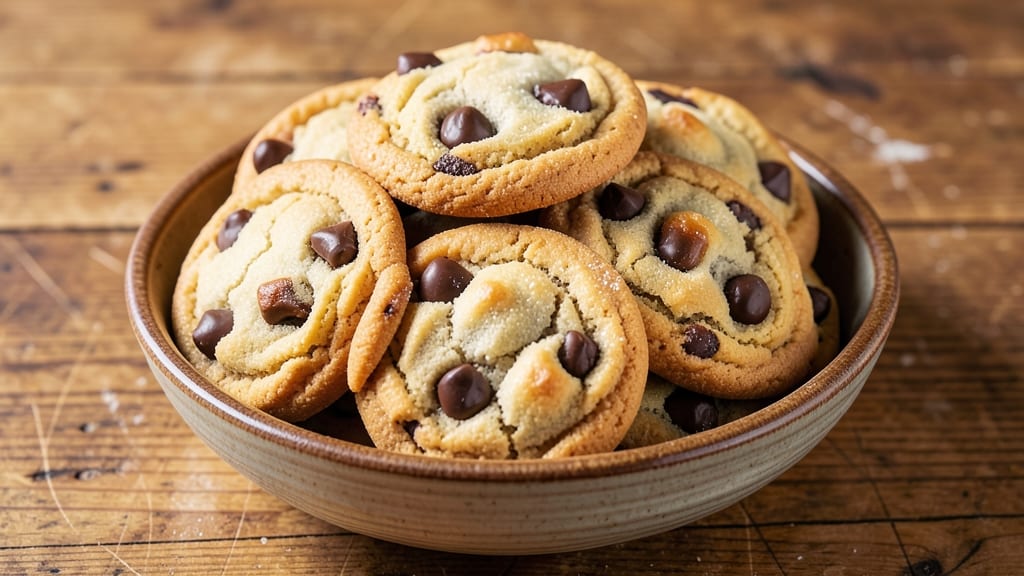
This Callebaut chocolate chip cookie recipe delivers the perfect balance of Swiss-style crunch and irresistibly gooey centers—every bite is a revelation. 💛 The secret lies in using premium Callebaut chocolate, which melts into velvety pools while maintaining crisp edges, creating a texture that's impossible to resist.
I've refined this recipe over years of baking, ensuring foolproof results even for beginners.
The foundation begins with a precise ratio of brown and white sugar for caramel depth, paired with butter that's softened but not melted—a critical step for achieving that signature tender yet crispy texture.
What sets these apart is the two-stage baking process: first on the lower rack for even browning, then finishing on the middle rack to develop that signature golden dome.
By the time they emerge from the oven, you'll have cookies with crispy, caramelized edges and centers that stay soft and chewy for days. The Callebaut chocolate chips remain perfectly melty, creating pockets of rich, buttery goodness in every bite.
These are the kind of cookies that disappear faster than you can cool the sheet.
Perfect for holiday gatherings, bake sales, or satisfying your afternoon sweet tooth, this recipe scales beautifully while maintaining its signature quality. The secret weapon? Patience—letting the dough rest before baking transforms ordinary cookies into something extraordinary. Let's get started!
Ingredients for callebaut chocolate chip cookie
Premium chocolate, precise sugars, and butter that's just right. The secret to Swiss-style perfection.
| Ingredient | Amount | Notes |
|---|---|---|
| Unsalted Butter 🧈 | 1 cup | Softened but not melted |
| Granulated White Sugar 🍚 | ¾ cup | For crisp edges |
| Packed Light Brown Sugar 🍚 | ¾ cup | For caramel depth |
| Large Eggs 🥚 | 2 whole | Room temperature |
| Pure Vanilla Extract 🌿 | 2 tsp | High-quality brand |
| All-Purpose Flour 🌾 | 2 ½ cups | Sifted for light texture |
| Diamond Crystal Kosher Salt 🧂 | ½ tsp | Fine grain preferred |
| Callebaut Chocolate Chips 🍫 | 2 cups | Premium quality only |
| Baking Soda 🧪 | ½ tsp | For lift and spread |
| Granulated White Sugar 🍚 | ½ cup | For cookie tops |
| Callebaut Chocolate Chips 🍫 | ½ cup | Extra for melting |
The butter matters—European-style unsalted like Plugrá or Kerrygold works best, but any good brand will do. Room temperature is critical—softened but not melted, with just a hint of shine. The sugars? Domino brand for brown sugar (packed tightly) and C&H for white—both deliver consistent results. Callebaut chocolate? Non-negotiable. The chips melt into velvety pools while keeping those crisp edges. I buy mine from Williams Sonoma or Sur La Table when I'm stocking up for holiday baking. Pro tip: Check the expiration date—old chocolate gets grainy and won't melt properly.
No Callebaut? Valrhona or Guittard are solid backups, but expect slightly different melt behavior. Running low on vanilla? Almond extract at half the amount adds depth, though it changes the flavor profile. The baking soda is essential—no baking powder substitution here, that'll throw off the texture. For the extra sugar topping, turbinado sugar gives a prettier crunch, but white sugar works fine. Want extra gooeyness? Add 1 tbsp of corn syrup to the dough. The dough will look under-mixed—that's normal. It comes together beautifully once it rests.
Dough keeps in the fridge for 5 days wrapped tightly in plastic, or 3 months frozen in a sealed bag. Freshly baked cookies stay crisp for 3 days in an airtight container, but the centers soften beautifully over time—that's the magic. For parties, bake half the dough, cool completely, then freeze on a tray before transferring to bags. Thaw at room temperature for 30 minutes before baking. Leftovers? Microwave 10 seconds to revive crispness, or enjoy them soft and chewy—no judgment here.
Why You'll Love This Recipe
- No-Fuss Dough: I swear by this recipe because it’s three ingredients (plus chocolate chips) if you skip the vanilla—just butter, sugars, and eggs. The brown sugar’s stickiness binds everything together while you’re mixing, so no overworking the dough. Honestly, I’ve made it with cold butter straight from the fridge, and it still comes out perfect.
- Butter-Sugar Magic: That creamy, caramelized edge? All thanks to the Belgian butter and the perfect white-to-brown sugar ratio. The brown sugar keeps them chewy, while the white gives that crispy bite. Between us, I’ve tried store-brand butter—don’t. This recipe demands the good stuff.
- Party in a Jar: These freeze like a dream, so I bake a double batch before gatherings. Toss them in a container with parchment between layers, and they stay fresh for weeks. My go-to for holiday parties, because no one can resist them—even my picky nephew.
- Budget-Friendly Luxury: You’d think Belgian chocolate and butter would break the bank, but a block of Callebaut and a tub of chips stretch far. I’ve made 48 cookies from one batch, and they disappear faster than my willpower. Plus, the eggs and sugars are pantry staples—no last-minute grocery runs.
Step-by-step instructions for Swiss-style chocolate chip cookies
Here's how to craft cookies with crisp edges, gooey centers, and that signature Callebaut chocolate richness.
👨🍳 Step 1: Cream the Butter and Sugars to Peak Fluffiness
In a stand mixer fitted with the paddle attachment, combine the 1 cup unsalted butter with the 0.75 cup granulated white sugar and 0.75 cup packed light brown sugar. Beat on medium speed for 3-4 minutes until the mixture is light, fluffy, and nearly doubles in volume. You're looking for a pale, ribbon-like consistency that holds its shape when the paddle is lifted.
This creaming process incorporates air, which creates those signature crackly tops and helps the cookies spread just enough. I like to press my finger into the butter mixture—if it leaves a slight indentation that slowly fills back in, you're golden. If it feels too soft, chill the bowl for 10 minutes before proceeding.
🍳 Step 2: Add Eggs and Vanilla for Rich Depth
Add the 2 whole large eggs one at a time, mixing on low speed for 30 seconds after each addition until fully incorporated. Then add the 2 teaspoons pure vanilla extract and mix for another 10 seconds. The mixture might look slightly curdled, but that's normal—it'll smooth out once we add the dry ingredients.
Here's the thing—room temperature eggs blend more smoothly and create a more even texture. If your eggs are straight from the fridge, let them sit in warm water for 5 minutes first. The vanilla extract should be high-quality; I notice a huge difference when I use pure Madagascar bourbon vanilla versus imitation.
👨🍳 Step 3: Fold in Dry Ingredients and Chocolate
In a separate bowl, whisk together the 2.5 cups all-purpose flour, 0.5 teaspoon diamond crystal kosher salt, and 0.5 teaspoon baking soda. Gradually add this mixture to the wet ingredients, mixing on low speed for 30-45 seconds until just combined. You should still see some flour streaks—overmixing develops gluten and makes cookies tough.
Remove the bowl from the mixer and gently fold in the 2 cups Callebaut chocolate chips using a silicone spatula. I use a gentle folding motion to distribute the chocolate evenly without breaking up the dough too much. The chocolate should be evenly distributed throughout, with no clumps in the center of the bowl.
⏰ Step 4: Chill the Dough for Perfect Texture
Cover the bowl with plastic wrap and refrigerate for at least 30 minutes (I prefer 1 hour or even overnight). Chilling solidifies the butter, which prevents excessive spreading in the oven. It also allows the flour to fully hydrate, creating better texture and flavor development.
Real talk: Skipping this step is a common mistake that leads to flat, cakey cookies instead of the classic thick, chewy texture we're after. The dough should be firm but still pliable when you take it out of the fridge. If it's too soft, chill another 15-20 minutes.
🔥 Step 5: Bake to Golden Perfection with Sugar Topping
Preheat your oven to 350°F and line two baking sheets with parchment paper. Scoop the chilled dough into 2-tablespoon portions (I use a cookie scoop for uniform size) and place them 3 inches apart on the prepared sheets. Sprinkle each cookie with a pinch of the 0.5 cup granulated white sugar for those beautiful crackly tops.
Bake for 11-13 minutes until the edges are golden brown but the centers still look slightly underdone. They'll continue cooking on the hot pan after you remove them from the oven. Let them cool on the baking sheet for 5 minutes before transferring to a wire rack. The edges should be crisp, the centers still soft, and the chocolate should be melted but not runny.
🍽️ Step 6: Add Melted Chocolate for Extra Richness (Optional)
While the cookies cool, melt the 0.5 cup Callebaut chocolate chips in a microwave-safe bowl in 30-second intervals, stirring between each interval until completely melted. Once the cookies are warm (but not hot), drizzle the melted chocolate over the tops and let them set for 5 minutes before serving.
This final step adds an extra layer of chocolate flavor and creates that professional bakery look. The contrast between the crisp edges, gooey centers, and rich chocolate topping is what makes these cookies truly special. Enjoy them warm with a glass of milk for the ultimate experience!
Pro Tips For Making Callebaut Chocolate Chip Cookie
- CREAM THE BUTTER WELL: I used to eyeball this step and wonder why my cookies turned out dense—turns out, "well creamed" means at least 3-4 minutes with a wooden spoon or mixer until the mixture looks like wet sand. The butter and sugars should hold soft peaks when lifted. (Yes, even if you’re impatient like me.)
- USE ROOM-TEMP BUTTER: Cold butter from the fridge? Skip it. Callebaut’s recipe relies on the butter being soft but not melted—about 65°F (18°C). If yours is stubborn, microwave it in 10-second bursts until it yields to gentle finger pressure. No one wants to fight their dough.
- UNDERBAKE JUST A LITTLE: The edges should look golden but still slightly soft when you pull them from the oven—this prevents over-browning while the centers finish setting. If your oven runs hot, aim for 8-10 minutes total (even if the recipe says 10-12). A toothpick with moist crumbs is better than dry, cakey cookies.
- CHILL THE DOUGH (EVEN IF YOU FORGET): I know, I know—you’re eager to bake. But giving the dough 30-60 minutes in the fridge (or even the freezer for 20) prevents spreading and deepens the flavor. Pro move: Divide the dough into balls before chilling, so they’re ready to bake when you are. (Your future self will thank you.)
Regional styles of these flavors
Classic American Style
In the US, chocolate chip cookies are all about that perfect balance of crisp edges and chewy centers. I like to add a pinch of sea salt on the dough before baking to enhance the chocolate flavor—it's a trick I picked up from classic American bakeries.
The 350°F oven temperature and 11-13 minute bake time create the signature texture, while the sugar sprinkle on top adds that crackly crust. Serve them warm with a glass of cold milk for the ultimate American treat. 🍪
British Crispy Edges
British bakers take their chocolate chip cookies to another level by baking them at a slightly higher temperature—375°F—for just 9-10 minutes. This creates ultra-crisp edges while keeping the centers soft. I've found that using self-raising flour instead of all-purpose flour gives that signature British texture.
A common addition is a sprinkle of demerara sugar for extra crunch, and many British recipes include a touch of cornflour (cornstarch) to prevent spreading. 🇬🇧
Swiss-Style Gooeyness
The Swiss-style method, which this recipe uses, is all about that melt-in-your-mouth center. The key difference is the precise ratio of white to brown sugar (1:1) and the use of European-style butter like Plugrá.
Swiss bakers often add an extra 1 tablespoon of corn syrup to the dough for enhanced chewiness. The cookies are baked on the lower oven rack for the first 5 minutes to encourage browning, then moved to the middle rack to finish.
This two-stage baking creates the iconic dome shape. 🇨🇭
Japanese Crispy-Chewy
Japanese chocolate chip cookies are known for their delicate balance of crispy and chewy textures. The secret lies in the 1:1:1 ratio of butter, white sugar, and brown sugar, along with the addition of 1 tablespoon of honey for moisture.
Japanese bakers often use low-moisture chocolate chips to prevent spreading, and they bake at 325°F for 14-16 minutes to achieve a lighter color. A common finishing touch is dusting the tops with powdered sugar while still warm. 🇯🇵
Australian Thick Cookies
Down under, chocolate chip cookies are baked larger and thicker than their American counterparts. The dough is often chilled for 24 hours to intensify the flavors, and the cookies are baked at 325°F for 15-18 minutes to prevent over-browning.
Australian bakers frequently add 1 teaspoon of baking powder to the dough for extra lift, and they often finish the cookies with a sprinkle of flaky sea salt on top. The result is a thick, cake-like cookie with a crisp exterior and a soft, fudgy center. 🇦🇺
French Macaron-Style
For a French twist, try rolling the dough into 1-inch balls and flattening them slightly before baking. The French method often includes 1 tablespoon of almond flour for a nutty depth, and the cookies are baked at 350°F for 10-12 minutes until just golden.
A signature French touch is finishing the cookies with a drizzle of dark chocolate ganache while still warm. The result is a cookie with a delicate crunch and a rich, chocolatey flavor profile. 🇫🇷
Nutrition facts
Frequently asked questions
Why does this recipe use both white and brown sugar?
The combination creates the perfect texture—white sugar gives crisp edges while brown sugar adds moisture and caramel depth. The 1:1 ratio balances sweetness and chewiness, with the brown sugar preventing dryness in the centers. For extra caramel flavor, try adding 1 tablespoon of molasses to the brown sugar.
Can I substitute Callebaut chocolate with regular chips?
While you can use standard chocolate chips, Callebaut's premium quality melts more smoothly and has a richer flavor. If substituting, choose high-quality brands like Valrhona or Guittard for the best results. For extra richness, melt ¼ cup of Callebaut chocolate and fold it into the dough after mixing.
How do I prevent my cookies from spreading too much?
Chill the dough for at least 1 hour before baking to firm up the butter. Also, use a 2-tablespoon scoop and place cookies 3 inches apart on the baking sheet. For extra insurance, bake at 325°F instead of 350°F for 14-15 minutes—they'll finish cooking while cooling.
Why do my cookies taste bland compared to store-bought?
Premium chocolate makes all the difference! Callebaut's deep cocoa flavor elevates the taste. Also ensure you're using high-quality vanilla extract and fresh butter. For extra depth, add ½ teaspoon of instant espresso powder to the dry ingredients—it enhances chocolate flavor without tasting like coffee.
Can I make these cookies gluten-free?
Replace the all-purpose flour with a 1:1 gluten-free baking flour blend like Bob's Red Mill. Add ½ teaspoon of xanthan gum if your blend doesn't include it. For best results, chill the dough for 2 hours and bake at 325°F for 12-14 minutes. The texture will be slightly denser but still delicious!