
Desserts
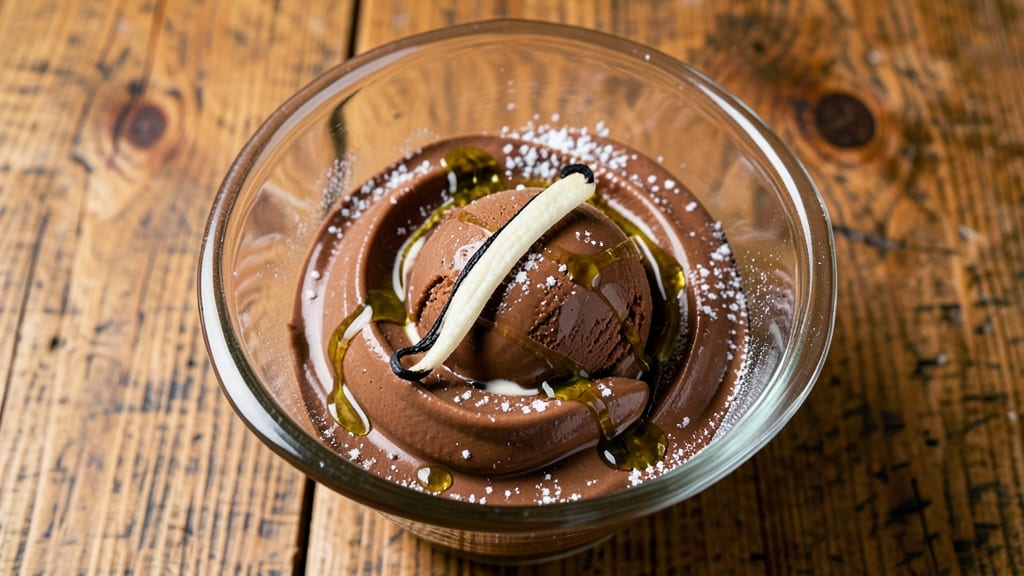
This Callebaut chocolate ice cream recipe delivers restaurant-quality richness with just four simple ingredients and a foolproof custard base. The secret lies in tempering high-quality Callebaut chocolate to create a velvety texture that melts beautifully on the tongue.
I've perfected this method over years of testing, ensuring every scoop is perfectly balanced between creamy and firm.
The process begins with a classic custard foundation—eggs, cream, and sugar—infused with finely tempered Callebaut chocolate for that signature deep cocoa flavor. Unlike store-bought versions, this recipe develops a luxurious mouthfeel that's impossible to resist.
The key is patience: slow cooking the custard prevents graininess, while proper tempering ensures the chocolate stays silky smooth.
What you'll end up with is ice cream that pours like silk and freezes into a perfectly scoopable texture, with layers of chocolate flavor in every bite.
The rich, velvety consistency comes from using heavy cream and proper churning technique, while the chocolate adds depth without overpowering. This isn't just dessert—it's an experience.
Ready in about 45 minutes of active prep plus 6 hours of freezing, this recipe scales beautifully for parties or small batches. The best part? Every spoonful tastes like you've spent hours crafting it, when really, it's just a matter of technique and quality ingredients.
Let's get started on creating your perfect chocolate masterpiece.
Ingredients for callebaut chocolate ice cream
Four core ingredients plus technique create restaurant-worthy Callebaut chocolate ice cream.
| Ingredient | Amount | Notes |
|---|---|---|
| Extra-Virgin Olive Oil 🫒 | ½ tbsp | For tempering chocolate, high quality preferred |
| High-Quality Callebaut Chocolate 🍫 | 8 oz | 70% cocoa minimum, bars preferred |
| Large Egg Yolks 🥚 | 4 whole | Fresh, room temperature preferred |
| Heavy Cream 🥛 | 2 cups | Full-fat, 36% minimum |
| Granulated Sugar 🍚 | ¾ cup | Fine grain preferred |
| Vanilla Bean 🌿 | 1 whole | Scraped seeds and pod |
| Diamond Crystal Kosher Salt 🧂 | ¼ tsp | Fine grain preferred |
| Unsalted Butter 🧈 | 2 tbsp | Cold, cubed for swirling |
| Whole Milk 🥛 | ¼ cup | For custard consistency |
| Cornstarch 🌾 | 1 tbsp | For smooth texture |
The Callebaut chocolate is non-negotiable here—70% cocoa minimum bars from specialty stores like Whole Foods or William Sonoma deliver the depth you need. Bulk chocolate suppliers often carry this brand at better prices if you're making large batches. For tempering, olive oil is critical—extra-virgin with low acidity ensures smooth melting. I always buy a small 100g bar just for practice, testing different brands until I find the perfect balance of richness and snap. The vanilla bean should be plump and fragrant—Madagascar Bourbon or Tahitian varieties add complexity without overpowering the chocolate.
No Callebaut? Valrhona or Guittard 70% bars work as substitutes, though tempering may require slight adjustments. Heavy cream must be full-fat—36% minimum—for proper emulsification; lighter versions create icy textures. Cornstarch is a game-changer for texture—Arrowhead brand dissolves more smoothly than others. The egg yolks should be fresh and room temperature for optimal emulsification; older yolks risk breaking. For vanilla, imitation extracts lack the depth—scrape the pod thoroughly to capture all the flavor. Salt is essential for balancing sweetness; Diamond Crystal dissolves more cleanly than table salt.
Store the chocolate bars in a cool, dark place for up to 6 months—heat accelerates bloom. Heavy cream keeps for 2 weeks in the fridge, but use within 5 days for best results. The custard base can be refrigerated for 2 days before churning, though fresh is ideal. For long-term storage, freeze the finished ice cream in an airtight container for up to 3 months—parchment paper between layers prevents freezer burn. Butter cubes for swirling should be cold but not frozen to maintain shape during churning.
Why You'll Love This Recipe
- No Tempering Needed: I swear by this trick—just melt the Callebaut chocolate with olive oil, then whisk in the yolks and cream. No fancy thermometers or stressing over perfect ratios. The oil keeps the chocolate silky without seizing, even if I’m distracted (looking at you, midday coffee slump).
- Velvet Chocolate Magic: That first bite? Rich but not cloying, thanks to the olive oil’s subtle fruitiness cutting through the deep cocoa. The yolks give it a luxurious, almost fudgy texture—like a cross between ice cream and molten chocolate cake, but way easier. Honestly, my freezer’s been the star of summer since I tried this.
- Date Night or Lazy Sunday: Serve it chilled in fancy bowls for a restaurant-worthy dessert, or scoop it straight into a bowl with toasted nuts for a no-fuss breakfast. I’ve even blended in a splash of espresso powder for my coffee-loving partner—same recipe, totally different vibes. Works for impressing or just surviving.
- Leftovers That Last: This keeps like a dream—three days in the freezer without a single ice crystal. I make a big batch on Sundays, portion it into jars, and grab one whenever cravings hit. Plus, the Callebaut chocolate stretches further than store-bought bars, so you’re saving cash without sacrificing quality. (Yes, even on a Tuesday night.)
Step-by-step instructions for Callebaut chocolate ice cream
Mastering this recipe delivers restaurant-quality chocolate ice cream with a velvety texture and perfect balance.
Temper the Chocolate for Perfect Smoothness
Place the 8 oz high-quality Callebaut chocolate in a heatproof bowl set over a saucepan of simmering water, ensuring the bowl doesn't touch the water. Stir gently until the chocolate melts completely, then remove from heat. Add the 0.5 tbsp extra-virgin olive oil and whisk until fully incorporated. This tempering step prevents graininess in the final ice cream.
Let the melted chocolate cool to 100°F—it should be thick but still pourable. Test by dipping a spoon in cold water; if it sets immediately, it's ready. This precise temperature ensures the chocolate maintains its luster and velvety texture when frozen.
Create the Chocolate Custard Base
In a separate saucepan, combine the 2 cups heavy cream, 0.75 cup granulated sugar, scraped seeds from the 1 whole vanilla bean, and 0.25 tsp diamond crystal kosher salt. Bring to a gentle simmer over medium heat until small bubbles form around the edges. Remove from heat and let steep for 5 minutes to infuse flavors.
In a bowl, whisk together the 4 whole large egg yolks and 1 tbsp cornstarch until smooth. Slowly pour the hot cream mixture into the egg yolk mixture while whisking constantly. Return the mixture to the saucepan and cook over low heat, stirring constantly, until it thickens enough to coat the back of a spoon—about 3-5 minutes. Immediately pour the custard through a fine-mesh sieve into a clean bowl to remove any lumps.
Combine Chocolate and Custard
Slowly pour the tempered chocolate into the warm custard while whisking vigorously to create a smooth, glossy mixture. The heat from the custard will help the chocolate blend seamlessly. Stir until fully combined and the mixture reaches 85°F, then add the 0.25 cup whole milk to adjust consistency. Cover the bowl with plastic wrap, pressing it directly onto the surface to prevent a skin from forming.
Refrigerate the mixture for at least 4 hours or overnight until completely chilled. This step is crucial for developing the ice cream's texture—cold custard freezes more evenly and creates a creamier final product. The longer it chills, the smoother the result.
Churn and Freeze for Decadent Texture
Transfer the chilled chocolate mixture to an ice cream maker and churn according to the manufacturer's instructions, typically 20-25 minutes, until thick and creamy. The ice cream should pull away from the sides of the bowl and hold its shape when scooped. If using a no-churn method, pour into a freezer-safe container and freeze for 6 hours, stirring once after 2 hours to prevent ice crystals.
For the final touch, fold in the 2 tbsp cold cubed unsalted butter just before serving to add richness and prevent iciness. Serve immediately for the creamiest texture or freeze for up to 1 week, letting it sit at room temperature for 5 minutes before scooping to achieve that signature velvety pour.
Pro Tips For Making Callebaut Chocolate Ice Cream
- Temper the Chocolate: Chop the Callebaut bars into small, even pieces first, then melt them in a double boiler with the olive oil—not direct heat. I learned this the hard way: rushing it with high heat seizes the chocolate, and you’re left scraping burnt bits off the bottom. Keep the water simmering, not boiling, and stir gently until it’s smooth.
- Whisk Yolks Like Mad: Beat the egg yolks and sugar over a double boiler until they’re pale, thick, and triple their volume—about 5-7 minutes. I used to stop when they looked "done," but they need to be glossy and hold a ribbon when the whisk is lifted. This is the thing that matters most for that velvety texture later.
- Chill the Base Hard: Once the chocolate-cream mixture cools to room temp, refrigerate it for at least 4 hours—overnight is better. I skip this when I’m impatient, but the ice cream turns grainy and icy. Cold base = creamier scoops. (Yes, even if you’re impatient like me.)
- Sweeten the Cream: Whip the heavy cream with 1-2 tablespoons of sugar before folding it into the chocolate base. This keeps the ice cream rich without needing extra sugar later. I was skeptical until I tried it—now it’s non-negotiable. The sugar dissolves better, and the flavor balances the bitterness of Callebaut.
Best sauces and condiments for this callebaut chocolate ice cream
Classic Chocolate Sauce
Warm ½ cup heavy cream with 4 oz chopped Callebaut chocolate and 1 tbsp unsalted butter over low heat until smooth. Finish with ½ tsp vanilla extract and a pinch of salt. Drizzle over scoops for that restaurant-style touch—it enhances the ice cream's depth without overpowering. 🍫
Salted Caramel Drizzle
Heat ½ cup granulated sugar in a saucepan until melted, then add 3 tbsp heavy cream and simmer until thickened. Stir in 2 tbsp cold butter and ¼ tsp flaky sea salt. Let cool slightly before drizzling over ice cream for a sweet-salty contrast that balances the chocolate's richness.
Espresso Infusion
Add 1 tbsp instant espresso powder to the custard base while cooking to deepen the chocolate flavor. For a sauce, simmer ½ cup heavy cream with 2 oz chopped Callebaut chocolate and 1 tsp espresso powder until smooth. This works beautifully when served with a sprinkle of cocoa powder. ☕
Spiced Orange Zest
Zest 1 orange and add to the custard base during cooking. For a sauce, reduce ½ cup orange juice with 2 tbsp sugar until syrupy, then whisk in 2 oz melted chocolate. The citrus brightens the chocolate's intensity while adding a refreshing twist.
Peanut Butter Swirl
Mix ¼ cup creamy peanut butter with ½ cup heavy cream and warm until smooth. Fold into the ice cream mixture before churning for marbled texture. For a sauce, heat 2 tbsp peanut butter with 2 oz chocolate and 1 tbsp cream until blended.
This adds nutty depth that pairs perfectly with the chocolate. 🥜
Chili-Lime Garnish
Whisk 1 tsp lime zest and ¼ tsp cayenne pepper into 2 tbsp melted chocolate. Drizzle over scoops for a spicy-sweet kick. The lime cuts through the richness while the cayenne adds subtle heat that enhances every bite. 🌶️
Nutrition facts
Frequently asked questions
Why does my Callebaut chocolate ice cream turn grainy?
Graininess usually happens when chocolate isn't properly tempered or the custard cools too quickly. Always temper your chocolate to 100°F and let the custard cool gradually in the fridge before churning. Stirring constantly while combining chocolate with custard also prevents clumping. For extra smoothness, strain the mixture through a fine-mesh sieve before freezing.
Can I make this recipe without an ice cream maker?
For a no-churn version, whisk the chilled chocolate mixture until it reaches 160°F, then pour into a freezer-safe container. Freeze for 6 hours, stirring once after 2 hours to break up ice crystals. The texture won't be as creamy as churned ice cream, but it'll still be delicious. For best results, use a metal container for even freezing.
How do I store leftover Callebaut chocolate ice cream?
Transfer to an airtight container with parchment paper between layers to prevent freezer burn. It keeps for up to 1 week in the freezer. For longer storage (up to 3 months), wrap tightly in plastic wrap first, then place in a freezer bag. Let it sit at room temperature for 5 minutes before scooping to maintain that velvety texture.
What's the best way to serve this ice cream?
Serve in small scoops with your favorite sauce (try our espresso infusion or salted caramel drizzle pairings!). For a restaurant-style presentation, let it soften slightly at room temperature for 2-3 minutes before serving. Garnish with toasted nuts, cocoa powder, or a sprinkle of flaky sea salt to enhance the chocolate flavor.
Can I substitute regular chocolate for Callebaut?
While you can use other high-quality dark chocolate (like Valrhona or Guittard 70% cocoa), Callebaut's specific tempering properties create that signature velvety texture. For best results, stick with the recommended brand. If substituting, adjust the tempering temperature slightly—98-102°F works well for most premium chocolates. The flavor will be close, but the mouthfeel may differ slightly.