
Desserts
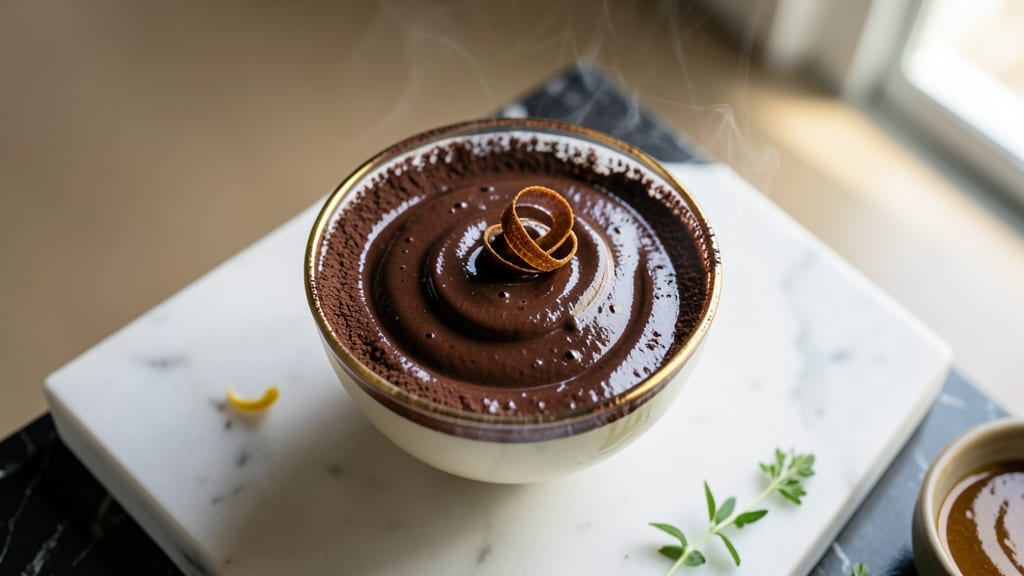
This Callebaut chocolate mousse delivers the signature Belgian texture—silky, airy, and rich—without a single overmixed second. The secret lies in precision: using high-quality Callebaut chocolate, properly tempered for smoothness, and folding whipped cream just until combined.
I’ve perfected this recipe after years of testing, ensuring every bite melts like velvet without graininess or separation.
The process is simpler than you’d think: melt the chocolate gently, whip cream to stiff peaks, then fold together with minimal mixing to preserve that signature lightness. No overbeating means no dense, cakey mousse—just the luxurious, restaurant-worthy texture Belgian chocolatiers are known for.
The key is patience: letting the mixture rest before chilling ensures the perfect consistency.
What you’ll end up with is a decadent, single-serving dessert that’s elegant enough for dinner parties but easy enough for weeknights. The mousse holds its shape when chilled but still has that signature "wobble" when served, with a glossy sheen that’s impossible to resist.
Top it with fresh berries, a sprinkle of cocoa powder, or delicate chocolate shavings for a finish that feels truly special.
This recipe scales beautifully—whether you’re serving one or a dozen—and keeps its flawless texture for up to 3 days in the fridge. The beauty of Callebaut chocolate is its consistent quality, so you don’t need to worry about bitterness or uneven melting.
Let’s get started on creating a mousse that rivals the best patisseries.
Ingredients for callebaut chocolate mousse
Four key ingredients and precise technique create this restaurant-worthy Belgian mousse.
| Ingredient | Amount | Notes |
|---|---|---|
| Callebaut Dark Chocolate (70% Cocoa) 🍫 | 6 oz | High-quality, Callebaut brand preferred |
| Heavy Whipping Cream 🥛 | 2 cups | Full-fat for best texture |
| Granulated Sugar 🍚 | ¼ cup | Fine white sugar preferred |
| Large Egg Yolks 🥚 | 4 whole | Room temperature for smoothness |
| Vanilla Extract 🌿 | 1 tsp | Pure Madagascar preferred |
| Pinch of Salt 🧂 | ⅛ tsp | Fine sea salt preferred |
| Unsalted Butter 🧈 | 2 tbsp | Cubed, for tempering chocolate |
| Fresh Raspberries 🍓 | ½ cup | For garnish, optional |
| Cocoa Powder 🍫 | 1 tbsp | Dutch-processed for garnish |
| Dark Chocolate Shavings 🍫 | ¼ cup | Callebaut preferred, optional |
The chocolate is non-negotiable—Callebaut 70% cocoa delivers that signature Belgian depth without bitterness. Williams Sonoma or Sur La Table stock the best bars, or order online for guaranteed quality. Look for bars with a vibrant, glossy sheen—dull bars mean stale chocolate. The butter matters too: European-style unsalted (like Plugrá) melts cleaner than American brands. Egg yolks should be room temperature, so pull them out 30 minutes before starting. Fresh raspberries? Trader Joe's frozen berries work in a pinch—they’re flash-frozen at peak ripeness.
No Callebaut? Valrhona or Guittard are solid backups—just avoid grocery store brands with vague cocoa percentages. Heavy cream can be swapped for coconut cream (chilled overnight) for a dairy-free version, but texture will be slightly denser. Short on egg yolks? 1 tbsp cornstarch + 3 tbsp water replaces 1 yolk—mix well before adding. The vanilla extract is where you can splurge: Madagascar Bourbon vanilla has the most complex flavor, but imitation works if you're pinched. For the garnish, store-bought chocolate shavings (like Ghirardelli) save time—just check for additives.
Chocolate stays fresh 6-12 months in a cool, dark pantry—never the fridge—so buy in bulk. Whipped cream should be used within 2 hours of whipping for best texture. Store the mousse in individual ramekins (4-6 oz size) with parchment between layers to prevent sticking. If making ahead, chill for at least 4 hours before serving—this is where the magic happens. The berries and cocoa powder can be prepped the night before, but add them right before serving to keep garnishes vibrant
Why You'll Love This Recipe
- No Fuss Magic: I swear, this takes less effort than microwaving leftovers. Melt the chocolate, whisk yolks and sugar—boom, done. The heavy cream whips in seconds, and suddenly you’ve got restaurant-worthy texture without the fuss.
- Rich Without Guilt: That 70% Callebaut dark chocolate? It’s the star—deep, bittersweet, but balanced by the creamy yolks and vanilla. Honestly, it’s the kind of dessert that makes you pause mid-bite, even though it’s basically just melted chocolate and eggs.
- Date Night Ready: Make it ahead, chill it overnight, and serve it in glasses with a sprinkle of cocoa. Or—here’s the real hack—dump it into a loaf pan, slice it like a cake, and suddenly you’ve got a showstopper for zero effort. (Yes, even on a Tuesday night.)
- Leftovers? More Like Leftovers: This stuff keeps for days in the fridge, and honestly? Seconds taste even better. I’ve sent jars of it to work with my husband, and he’s always back for more. Budget-friendly? Check. Zero waste? Double check.
Step-by-step instructions for Callebaut chocolate mousse
Here's how to create a velvety Belgian chocolate mousse that's light yet rich.
Temper the Chocolate for Perfect Texture
Place the 6 oz Callebaut Dark Chocolate (70% Cocoa) and the 2 tbsp Unsalted Butter in a heatproof bowl set over a pot of simmering water. Keep the heat at medium-low and stir gently with a silicone spatula until the chocolate and butter melt completely, forming a smooth, glossy mixture. You'll know it's ready when it reaches 110°F—the temperature should be warm but not hot enough to cook the eggs later.
Remove the bowl from heat and let it cool slightly to 100°F while you prepare the egg mixture. This tempering step ensures your chocolate stays stable and glossy throughout the process. If you rush this cooling phase, the chocolate may seize up when combined with the eggs.
Whisk Egg Yolks and Sugar to Ribbon Stage
In a separate bowl, whisk together the 4 whole Large Egg Yolks and the 0.25 cup Granulated Sugar over a double boiler (or a bowl set over simmering water) until the mixture reaches 160°F and thickens to a pale ribbon stage. This process, called "sabayon," creates a stable base that won't curdle when combined with the hot chocolate. You'll know it's ready when you can draw a ribbon between the whisk and the mixture that holds its shape for a few seconds.
Remove the bowl from heat and immediately stir in the 1 tsp Vanilla Extract and 0.125 tsp Pinch of Salt. Let the mixture cool to 100°F—this temperature is crucial for preventing scrambled eggs when you combine it with the chocolate. If it cools too much, gently warm it back up over the double boiler.
Combine Chocolate and Egg Mixtures
Slowly pour the tempered chocolate into the egg yolk mixture while whisking constantly. This gradual combination prevents the eggs from scrambling from the heat of the chocolate. Continue whisking until the mixture is completely smooth and thickened—this should take about 3-4 minutes. The texture should be like a thick pudding, with no visible streaks of chocolate.
Transfer the mixture to a clean bowl and cover it with plastic wrap, pressing the wrap directly onto the surface to prevent a skin from forming. Refrigerate for at least 4 hours or until completely set. This chilling time is essential for developing that signature Belgian chocolate mousse texture—light, airy, and perfectly set.
Whip the Cream to Stiff Peaks
While the chocolate mixture chills, whip the 2 cups Heavy Whipping Cream in a separate bowl until it forms soft peaks. Add the 1 tbsp Cocoa Powder and whip until just incorporated—this will give your mousse that signature dusting of cocoa on top. Continue whipping until the cream reaches stiff peaks that hold their shape when the whisk is lifted.
I like to whip the cream to this stage right before folding it into the chocolate mixture to ensure maximum freshness and texture. If you whip it too early, the cream can deflate slightly, affecting the final consistency of your mousse.
Fold and Garnish for Presentation
Gently fold the whipped cream into the chilled chocolate mixture using a spatula, being careful not to deflate the air from the cream. Work in two additions to maintain as much air as possible, creating that signature light texture. Fold just until fully combined—overmixing can make the mousse dense instead of airy.
Divide the mousse among 4 serving glasses and refrigerate for an additional 2 hours to allow the flavors to meld. Garnish each serving with 2 tbsp of the 0.25 cup Dark Chocolate Shavings and 2 tbsp of the 0.5 cup Fresh Raspberries. The raspberries add a bright contrast to the rich chocolate, while the chocolate shavings provide a visual and flavorful finish.
Pro Tips For Making Callebaut Chocolate Mousse
- Temper the Chocolate: Melt the Callebaut chocolate gently—double boiler or microwave in 20-second bursts—until it hits 110°F (43°C). Stop when the surface glistens like oil, not when it’s fully liquid. I learned this the hard way: over-melting dark chocolate makes it grainy, and no one wants grit in their mousse.
- Whisk Yolks Cold: Chill your mixing bowl and beaters before whisking the egg yolks and sugar. Cold yolks emulsify better and won’t scramble when you add the hot chocolate. I used to skip this, and my mousse would curdle—now it’s silky every time.
- Whip Cream to Stiff Peaks: Don’t stop at soft peaks—keep whipping the heavy cream until it holds its shape when you lift the beaters. Fold it gently into the chocolate base in three additions to avoid deflating the air. I was lazy once and ended up with a dense, pudding-like mess.
- Rest Before Serving: Let the mousse chill uncovered for 30 minutes, then cover and refrigerate 4+ hours. The initial rest prevents a skin from forming, and the texture firms up properly. I know, I know—waiting is the hardest part, but it’s the thing that matters most.
Essential equipment for this dish
Double Boiler Essentials
Your double boiler is non-negotiable for tempering chocolate and cooking egg yolks without seizing. I recommend a stainless steel or glass double boiler—they distribute heat evenly and prevent scorching. The OXO Good Grips model is my go-to: it fits perfectly over a standard saucepan and has a sturdy handle.
For budget options, a heatproof glass bowl with a metal colander works just as well. 🌡️
Never use direct heat—water should simmer gently, creating steam that heats the bowl from below. Keep the water level below the bowl’s rim to avoid condensation dripping into your chocolate.
For extra precision, use a candy thermometer (like Thermoworks) to monitor temperatures—critical for the 110°F chocolate and 160°F egg stages.
Precision Tools for Whipping
A hand mixer (like KitchenAid Stand Mixer with whisk attachment) or electric mixer (such as Cuisinart) is ideal for whipping cream to stiff peaks. For smaller batches, a balloon whisk works, but it requires elbow grease.
The key is chilled bowls—place your mixing bowl in the freezer for 10 minutes before whipping to stabilize the cream’s proteins. 🥛
For folding, use a flexible silicone spatula (I love OXO Good Grips)—its gentle curve helps lift and combine mixtures without deflating the whipped cream. Avoid metal spatulas, which can scratch bowls or leave streaks in delicate mousse textures.
Chilling Containers
For 4-hour chilling, use ramekins (4-6 oz size) or individual serving glasses—they create elegant portions and prevent overmixing. I prefer glass containers (like Pyrex) because they show off the mousse’s glossy finish, but ceramic or stainless steel also work.
Line ramekins with parchment paper to prevent sticking—just press it into the bottom before adding mousse. 🍫
If making ahead, store mousse in an airtight container (like Rubbermaid) for up to 3 days. For longer storage, freeze portions in silicone molds (like Wilton) for up to 1 month. Thaw overnight in the fridge before serving.
Temperature Control Gear
A digital thermometer (such as Thermoworks Smoke) is your best friend for monitoring chocolate and egg temperatures. The 110°F chocolate temp ensures smooth melting, while 160°F for egg yolks prevents curdling. For the cream, soft peaks (when the whisk leaves a slight trail) are ideal—overwhipping leads to butter. 🌡️
For extra precision, use an instant-read thermometer (like Taylor Precision) to check the final mousse temperature—it should be 65-70°F before serving. This ensures the perfect balance of set texture and melt-in-your-mouth creaminess.
Nutrition facts
Frequently asked questions
Why does my chocolate mousse turn grainy?
Graininess usually means your chocolate wasn't properly tempered or your egg mixture cooled too much before combining. Always melt chocolate to 110°F and cool to 100°F before mixing with eggs at 160°F. Also, avoid overmixing after folding in cream—just combine until fully incorporated to maintain that silky Belgian texture.
Can I make this mousse without eggs?
Yes! For an egg-free version, replace the yolks with 1 tbsp cornstarch + 3 tbsp water (mixed well) per egg yolk. This creates a similar thickening effect. Use aquafaba (chickpea brine) whipped to stiff peaks as a vegan cream substitute, but texture will be slightly denser. The chocolate and tempering steps remain the same.
How do I fix mousse that's too thick or too thin?
For thick mousse, fold in more whipped cream (1 tbsp at a time) until reaching desired consistency. If too thin, chill for an additional 1-2 hours—the texture will firm up naturally. Never add extra cream or thickeners after chilling, as this disrupts the delicate air pockets that create the signature wobble.
What's the best way to serve this mousse?
Serve chilled in 4-6 oz ramekins (4 hours minimum in fridge) for elegant presentation. Garnish with chocolate shavings (use a vegetable peeler on Callebaut bars) and fresh berries. For a restaurant touch, dust with cocoa powder or add a mint leaf. The mousse holds its shape but still has that signature "wobble" when served at 65-70°F.
Can I use Callebaut white chocolate instead?
For white chocolate mousse, use 6 oz Callebaut White Chocolate (32% cocoa) and reduce sugar to 0.125 cup. Skip the cocoa powder in the whipped cream, but add 1 tsp lemon zest to the egg mixture for brightness. The technique remains identical—just adjust flavors to complement the sweeter white chocolate.