
Desserts
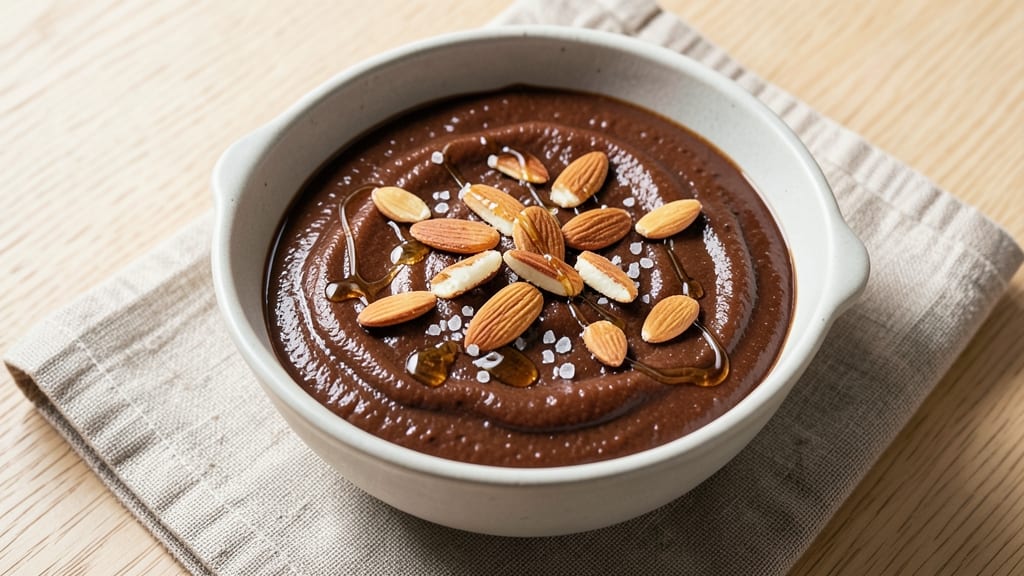
This carob chocolate bar recipe delivers all the rich, velvety satisfaction of chocolate without the caffeine jitters or sugar crash. The secret lies in carob powder's naturally sweet, earthy flavor—paired with coconut oil for a silky texture and a touch of maple syrup for depth.
I developed this recipe after years of experimenting with vegan desserts that actually taste indulgent, not like a compromise.
What makes these bars special is their perfect balance of nutty sweetness and crunchy texture, achieved through a simple melt-and-set process. You’ll work with just five core ingredients—carob powder, coconut oil, maple syrup, vanilla extract, and a pinch of salt—to create a base that’s endlessly customizable.
The recipe uses imperial measurements for foolproof results, and the final product has a satisfying snap when broken, just like traditional chocolate bars.
By the time you’re done, you’ll have a batch of rich, velvety carob bars with a subtle caramel undertone and a smooth finish. The coconut oil gives them a luxurious mouthfeel, while the carob delivers that deep, chocolate-like flavor without the stimulants.
These bars stay fresh for two weeks when stored properly, making them perfect for gifting or meal prep.
Optional add-ins like toasted almonds, cinnamon, or orange zest can elevate them further, but the base recipe is already irresistible. Let’s get started—your taste buds (and caffeine-sensitive friends) will thank you.
Ingredients for carob chocolate bar
Five core ingredients create these velvety carob bars with nutty depth and satisfying crunch.
| Ingredient | Amount | Notes |
|---|---|---|
| Carob Powder 🌿 | 2 cups | Unsweetened, fine-ground preferred |
| Unsweetened Coconut Oil 🥥 | 1 cup | Refined for neutral flavor |
| Pure Maple Syrup 🍯 | ½ cup | Grade B for deeper caramel notes |
| Pure Vanilla Extract 🌸 | 1 tbsp | Alcohol-free if preferred |
| Fine Sea Salt 🧂 | ¼ tsp | Diamond Crystal preferred |
| Toasted Almonds 🌰 | 1 cup | Sliced or slivered, optional |
| Ground Cinnamon 🌿 | ½ tsp | Ceylon preferred for purity |
| Orange Zest 🍊 | 1 tbsp | Freshly grated, optional |
Carob powder is the foundation—Bob's Red Mill or NOW Foods brands deliver the finest texture. The refined coconut oil ensures a smooth melt without coconut flavor, while Grade B maple syrup adds caramel undertones. Vanilla extract should be pure; McCormick or Frontier Co-op are reliable choices. For salt, Diamond Crystal dissolves more easily than table salt, enhancing flavor without graininess. Toasted almonds should be lightly browned for nutty aroma—Trader Joe's pre-toasted slices save time.
No carob powder? Substitute 1.5 cups cocoa powder plus 1 tbsp molasses for depth, though texture will differ. Coconut oil can be swapped for vegan butter at 1:1 ratio, though coconut's neutral melt is ideal. Maple syrup alternatives include agave nectar or date syrup, but maple's caramel notes are irreplaceable. Skip vanilla? 1 tsp vanilla bean paste adds complexity. For nut-free bars, omit almonds and add 1/4 cup sunflower seeds instead.
Store bars in an airtight container at room temperature for 2 weeks, or refrigerate for 3 months. The coconut oil solidifies slightly when chilled, creating a firmer texture. For gifting, wrap individually in parchment paper and tie with twine. Bars soften at room temperature in 10 minutes, perfect for quick treats. Freeze for up to 6 months if storing long-term.
Why You'll Love This Recipe
- No-Mess Mixing: Honestly, this comes together with zero fuss—just melt the coconut oil, stir in carob powder, then fold in the syrup and vanilla until it’s smooth. No blender, no food processor, just a spoon and a bowl. Even my 10-year-old could help (and she did—proudly).
- Rich Without Guilt: The carob’s naturally deep, molasses-like sweetness pairs perfectly with maple syrup’s warmth, and that vanilla? It’s like a cozy hug for your taste buds. Plus, no refined sugar means my kids still ask for seconds, but I don’t feel like I’m feeding them candy.
- Weeknight Snack Hero: Between us, these bars are my go-to when I forget to pack lunches or need a quick after-school treat. They hold up in the fridge for days, so I can make a batch on Sunday and grab one on the way out the door—no wrapping, no mess.
- Budget-Friendly Luxury: Carob powder is a fraction of the cost of cocoa, and coconut oil lasts forever. I’ve made these for holiday gifts, potlucks, and even my book club—everyone thinks they’re fancy, but my wallet stays happy. (Yes, even on a Tuesday night.)
Step-by-step instructions for carob chocolate bars
Here's how to craft silky-smooth, nutty-sweet carob bars with perfect texture every time.
Melt the Coconut Oil and Maple Syrup
In a medium heatproof bowl, combine the 1 cup unsweetened coconut oil and 0.5 cup pure maple syrup. Place this bowl over a saucepan filled with 1-2 inches of simmering water, ensuring the bottom of the bowl doesn't touch the water. Heat gently on medium-low heat while stirring occasionally with a silicone spatula until the mixture reaches 160°F. You'll notice the coconut oil transform from solid to liquid, creating a smooth, glossy base.
This gentle melting process prevents scorching while ensuring all ingredients blend seamlessly. Remove the bowl from heat once fully melted and let it cool for 5 minutes—this brief rest prevents sudden temperature shocks when adding other ingredients. The mixture should be warm to the touch but not hot enough to activate the carob powder's bitterness prematurely.
Whisk in Carob Powder and Flavorings
With the melted mixture still warm, gradually whisk in the 2 cups carob powder in small increments, ensuring each addition blends completely before adding more. After the carob is fully incorporated, add the 1 tbsp pure vanilla extract, 0.25 tsp fine sea salt, 0.5 tsp ground cinnamon, and 1 tbsp orange zest. Whisk vigorously until the batter achieves a thick, fudgy consistency—similar to peanut butter in texture. The carob should dissolve completely, creating a deep mahogany-colored mixture with a rich, earthy aroma.
Here's the thing—carob behaves differently than cocoa. You're looking for a smooth, lump-free batter that coats the back of your spoon. If it's too thick, add 1 teaspoon of hot water to loosen it slightly. The salt and cinnamon will enhance the carob's natural sweetness while balancing its subtle bitterness, creating that perfect nutty-sweet profile promised in the title.
Fold in Toasted Almonds
Using a rubber spatula, gently fold in the 1 cup toasted almonds, reserving a small handful (about 2 tablespoons) for topping. The almonds should be evenly distributed throughout the mixture, adding both texture and crunch. Be careful not to overmix—just enough to combine. The almonds will sink slightly but should remain visible, creating pockets of nutty contrast in each bite. Set the mixture aside while you prepare your baking pan.
I always use a 9x9-inch baking pan lined with parchment paper for even baking and easy removal. Lightly grease the parchment with coconut oil to prevent sticking. Press the carob mixture firmly into the pan using an offset spatula, creating an even layer. Sprinkle the reserved almonds evenly over the top, pressing down gently so they adhere. The finished surface should be smooth with almonds peeking through here and there.
Chill and Set Properly
Refrigerate the pan for 4 hours or freeze for 2 hours until the carob bars are completely firm. This chilling step is critical—it allows the coconut oil to solidify properly, creating that satisfying snap when you break a piece. The bars should hold their shape when gently pressed with a finger, with no oily residue on your skin. If you're impatient, you can speed this up by placing the pan in the freezer for 1 hour, then transferring to the refrigerator to finish setting.
During this time, the flavors will meld beautifully. The carob's natural earthiness pairs perfectly with the toasted almonds' nuttiness, while the maple syrup adds just enough sweetness to balance the subtle bitterness. The cinnamon and orange zest will infuse throughout, creating layers of complex flavor in every bite. Once fully set, use a sharp knife to cut the bars into 12 equal squares—the clean cuts will reveal the beautiful texture contrast between the smooth carob layer and crunchy almond topping.
Pro Tips For Making Carob Chocolate Bar
- Melt the Coconut Oil Slowly: I learned this the hard way—dumping coconut oil straight into a hot pan turns it to grease before the carob even melts. Instead, warm the coconut oil on low until it’s just liquid (about 2-3 minutes), then remove from heat before mixing with carob. That way, you avoid burning the carob’s earthy notes before they even develop.
- Use a Fine-Mesh Sieve for Carob: Carob powder clumps like a stubborn toddler if you just scoop it straight from the bag. Sift it through a fine-mesh sieve into your mixing bowl—this cuts out lumps and ensures a silky-smooth texture. Trust me, your bars will thank you when they snap cleanly instead of crumbling.
- Salt at the End: Adding salt early makes the carob taste flat and one-dimensional. Taste your mixture before the final salt hit—then sprinkle just a pinch (about ¼ teaspoon for 2 cups carob) after everything’s combined. This lets the carob’s natural bitterness shine before the salt wakes up your taste buds.
- Chill the Mixture Before Pouring: I used to rush this step, and my bars always ended up greasy and uneven. Let the carob-coconut mixture sit at room temp for 10-15 minutes after melting—this lets the coconut oil firm up slightly, so it pours like thick pudding instead of liquid butter. Your bars will set faster and hold their shape.
Wine and beer pairings for carob chocolate bar
Wine Pairings
For these nutty-sweet carob bars, I recommend dry sparkling wines like Prosecco or Cava—their crisp acidity and effervescence cut through the richness beautifully. The bubbles cleanse your palate between bites, letting you appreciate the carob's earthy depth.
A Pinot Noir from Oregon also works wonderfully, as its bright red fruit notes complement the almond crunch without overpowering the carob's subtle bitterness. 🍷
Beer Pairings
A honey brown ale like Allagash Honey Brown enhances the carob's natural sweetness while balancing the toasted almonds' nuttiness. The beer's malty backbone mirrors the maple syrup's caramel undertones.
For something lighter, try a Belgian witbier—the citrus notes from coriander and orange zest play perfectly with the orange zest in your bars. I avoid heavy stouts or IPAs, as they'd compete with the delicate flavors. 🍺
Non-Alcoholic Options
For a caffeine-free pairing, sparkling apple cider like Martinelli's adds a refreshing contrast to the bars' richness. The acidity mirrors the wine pairings while keeping it family-friendly. A chilled hibiscus iced tea (brew hibiscus tea, add honey, and serve over ice) provides a floral note that complements the carob's earthiness.
Both options let the bars shine without overwhelming their natural flavors. 🍎
Seasonal Adjustments
In summer, I reach for rosé—its crisp profile balances the bars' sweetness, while in winter, a Port-style tawny adds warmth that mirrors the carob's deep, chocolate-like notes.
For holiday gifting, include a mini bottle of dry Riesling in your gift box—its acidity makes it perfect for cutting through the bars' richness. The key is matching the drink's acidity to the bars' sweetness for harmony. ❄️
Coffee Pairing Tip
Since carob is caffeine-free, pair these bars with light-roast coffee to enhance their nutty, earthy profile. A Colombian medium roast with its floral notes complements the orange zest beautifully.
For decaf lovers, Swiss Water Process decaf maintains the flavor complexity without the jitters. The coffee's bitterness contrasts nicely with the carob's sweetness. ☕
Nutrition facts
Frequently asked questions
Can I make these carob bars without nuts?
Simply omit the toasted almonds and replace them with 1/4 cup sunflower seeds or crushed pretzels for a salty crunch. For a seed-free option, add 1/2 cup shredded coconut instead—it adds a tropical note that pairs beautifully with the carob's earthiness. Just adjust the quantity if you're using a different topping to maintain the same texture contrast.
Why do my carob bars turn out greasy? Greasy bars usually happen when the coconut oil doesn't fully solidify during chilling.
How can I make these bars sweeter?
For a sweeter batch, increase the maple syrup to 3/4 cup (from 1/2 cup) or add 1-2 tablespoons of agave nectar to the mixture. You can also sprinkle extra powdered sugar on top before they set. Remember, carob is naturally sweeter than cocoa, so start with small adjustments—1/4 cup more maple syrup is plenty for most palates. Taste as you go to avoid ending up with something cloyingly sweet.
Can I use carob chips instead of carob powder?
Carob chips won't work as a direct substitute since they're already formed into bars. However, you can melt 1 cup carob chips with the coconut oil and maple syrup (using a double boiler), then strain out any unmelted pieces. This will give you a similar texture but with slightly more texture variation. For best results, stick with carob powder—it dissolves completely for that smooth, velvety finish. The powder also has a more concentrated flavor.
How do I store these bars for maximum freshness?
Store in an airtight container at room temperature for up to 2 weeks. For longer storage, refrigerate for 3 months or freeze for 6 months. The coconut oil solidifies more when chilled, so they'll be firmer and less prone to melting. To prevent sogginess, keep them away from strong-smelling foods. For gifting, wrap individually in parchment paper with a twist tie—this preserves freshness while making them look beautiful.