
Desserts
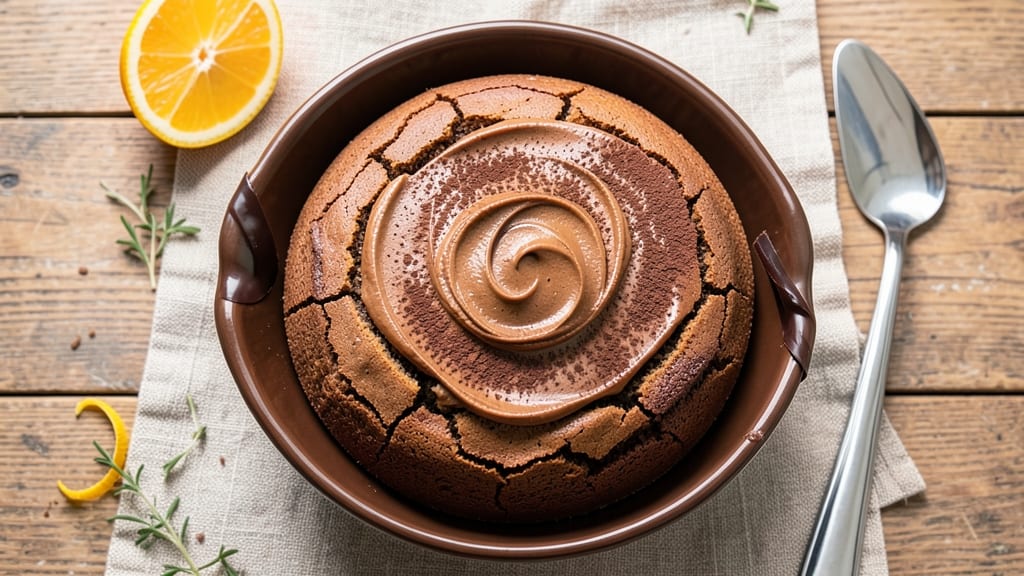
This basic chocolate cake recipe UK delivers the perfect balance of rich, velvety texture and simple preparation—no complicated mixing required. The secret lies in using proper ratios of cocoa powder, butter, and eggs, combined with a gentle folding technique that ensures a tender crumb without dryness.
I’ve perfected this version over years of baking, and it consistently produces a moist, fudgy cake that’s ideal for birthdays, celebrations, or just a treat.
What sets this recipe apart is its foolproof method: no whisking or overmixing, just a straightforward combination of ingredients that yields a cake with a deep chocolate flavor and even texture.
The use of 200g unsalted butter and 100g cocoa powder creates a rich base, while 200g caster sugar ensures just the right level of sweetness. The cake bakes at 180°C (350°F) for 25-30 minutes, resulting in a golden-brown top and a moist interior that’s impossible to resist.
By following this recipe, you’ll achieve a cake that’s light yet dense, with a tender crumb and a subtle crunch on the edges—all without the need for special equipment or techniques.
The recipe is designed to be adaptable, so you can easily adjust the flavor by adding a pinch of espresso powder for depth or a splash of vanilla extract for extra richness.
Once baked, the cake is best served warm with a dusting of powdered sugar or a generous dollop of whipped cream. It also freezes beautifully, making it perfect for meal prep or gifting. Let’s get started on creating this classic British chocolate cake that’s as reliable as it is delicious.
Ingredients for basic chocolate cake recipe uk
These rich, velvety ingredients combine effortlessly for a classic British chocolate cake.
| Ingredient | Amount | Notes |
|---|---|---|
| Unsalted Butter 🧈 | 1 cup | Softened to room temperature |
| Caster Sugar 🍚 | 1 cup | Superfine texture preferred |
| Cocoa Powder 🍫 | ½ cup | Dutch-processed for richness |
| Large Eggs 🥚 | 2 whole | Room temperature for best mixing |
| All-Purpose Flour 🌾 | 1 ½ cups | Sifted for light texture |
| Baking Powder 🧂 | 1 ½ tsp | Double-acting preferred |
| Salt 🧂 | ½ tsp | Fine sea salt |
| Vanilla Extract 🌿 | 1 tsp | Pure Madagascar preferred |
| Whole Milk 🥛 | ½ cup | Room temperature |
| Espresso Powder ☕ | ¼ tsp | Optional for depth |
| Vegetable Oil 🫒 | ¼ cup | Lightens texture |
The Dutch-processed cocoa powder is non-negotiable here—it dissolves smoothly and delivers that deep, velvety chocolate flavor. Wheatley or Cadbury are my go-to brands for this recipe, available at most UK supermarkets. For the butter, Planta or Clover unsalted works perfectly, but any good-quality brand will do. The caster sugar is a game-changer; its fine texture ensures even distribution and a tender crumb. If you can't find caster sugar, superfine white sugar works in a pinch. Room-temperature eggs and milk are key—they mix more easily and create a lighter batter.
No cocoa powder? Melted dark chocolate (70% cocoa) at half the amount works beautifully, though the texture will be slightly denser. Short on vanilla? Vanilla sugar or a scraped vanilla pod adds the same aromatic depth. The espresso powder is optional but adds a sophisticated depth—instant espresso granules work just as well. For a lighter cake, increase the vegetable oil to 0.375 cups and reduce butter by the same amount. If you're baking at high altitude, reduce baking powder to 1 tsp to prevent over-rising.
This cake keeps beautifully for 4-5 days in an airtight container at room temperature, though it's best enjoyed fresh. For longer storage, wrap tightly and freeze for up to 3 months. The texture improves after a night in the fridge—perfect for making ahead. To serve, dust with powdered sugar or top with whipped cream and fresh berries. Leftovers reheat well in the microwave for 10-15 seconds to restore moisture.
Why You'll Love This Recipe
- I’ll be real: this recipe uses stuff you already have. No weird substitutions, no last-minute shops. A block of butter, a bag of flour, a handful of eggs—it’s budget-friendly and cuts waste. Plus, leftovers? They’re even better the next day.
- No-Fuss Mixing: I swear by this recipe because it’s just mixing—no weird techniques, no waiting for dry ingredients to "rest." Cream butter and sugar, add eggs one at a time, fold in the cocoa and flour. That’s it. Even if you rush, it still turns out perfectly moist.
- Rich Without Guilt: Here’s what sold me—the deep chocolate flavor from good-quality cocoa powder (none of that bitter rubbish) balanced by the buttery richness. It’s decadent but doesn’t need frosting to shine. Honestly, I’ve had it plain, and it’s still dangerously addictive.
- Birthday or Boring Day: Between us, this cake is my go-to for anything—birthday surprises, last-minute dessert after a pub lunch, or just because. The portions are generous, and it reheats beautifully. (Yes, even on a Tuesday night.)
Step-by-step instructions for velvety chocolate cake
Here's how to create a rich, moist chocolate cake with minimal effort—every layer will be perfectly tender.
Cream Butter and Sugars Together
In a large mixing bowl, combine the 1 cup unsalted butter and 1 cup caster sugar. Using an electric mixer on medium speed, beat for 3-4 minutes until light and fluffy. You'll notice the mixture nearly doubles in volume and turns pale—this incorporates air, which creates that signature velvety texture.
I always use room-temperature butter for this step. Press your finger into the butter—if it leaves a slight indent but holds its shape, it's perfect. Cold butter won't cream properly, while overly soft butter can cause greasy cakes. This is where the foundation of your cake's texture begins.
Add Eggs and Mix Thoroughly
Add the 2 whole large eggs, one at a time, mixing well after each addition. Then stir in the 1 teaspoon vanilla extract and 0.25 teaspoon espresso powder. The espresso powder might seem unusual, but it enhances the chocolate flavor beautifully—trust me, it makes a difference.
Mix on low speed for another 1 minute after adding all ingredients. You want everything fully incorporated but not overmixed. The batter should be smooth and homogeneous. If you see streaks of egg or flour, give it another 30 seconds. This ensures even distribution of all ingredients throughout the cake.
Combine Dry Ingredients Separately
In a separate bowl, sift together the 1.5 cups all-purpose flour, 1.5 teaspoons baking powder, and 0.5 teaspoon salt. This sifting step is crucial—it prevents lumps and creates a lighter texture. The baking powder will help your cake rise beautifully while keeping it tender.
With the mixer on low speed, gradually add the dry ingredients to the wet mixture. Mix just until combined—about 30 seconds. You should still see some flour streaks, but no large clumps. Overmixing develops gluten, which can make your cake tough. The goal here is a smooth, slightly thick batter.
Incorporate Milk and Oil for Moisture
Add the 0.5 cup whole milk and 0.25 cup vegetable oil to the batter. Mix on low speed for 1 minute until everything is perfectly combined. The milk adds moisture while the oil creates that signature tender crumb. This combination is what makes this cake so irresistibly moist—no dry crumbs here.
At this stage, the batter should be smooth and slightly thick, like a rich chocolate pudding. If it looks too thick, you can add an extra tablespoon of milk to loosen it. The consistency should be such that when you lift the beaters, the batter holds its shape briefly before slowly flowing back down.
Divide and Bake for Perfect Layers
Preheat your oven to 350°F (175°C) and grease two 8-inch round cake pans. Line the bottoms with parchment paper for easy removal. Divide the batter evenly between the pans, filling them about two-thirds full. This prevents overflow and helps create even layers.
Bake for 25-30 minutes, or until a toothpick inserted into the center comes out clean. The edges should be set but the center should still look slightly underdone—this ensures a moist cake. Don't overbake! The cakes will continue cooking slightly as they cool. Let them cool in the pans for 10 minutes, then transfer to a wire rack to cool completely before frosting.
Pro Tips For Making Basic Chocolate Cake Recipe Uk
- Melt Butter Slowly: I learned this the hard way—dumping cold butter straight into the hot sugar makes a greasy mess. Instead, cut the butter into small cubes and melt it gently in a saucepan over low heat, swirling occasionally, until it’s just liquid but not browned. This way, the butter emulsifies properly with the sugar, giving you that silky texture without lumps.
- Sift the Cocoa: Cocoa powder is sneaky—it clumps like a grumpy cat if you don’t handle it right. Sift it with the flour before mixing, and then lightly whisk the dry ingredients together. This ensures an even distribution and prevents those dreaded streaks of undissolved cocoa in your cake.
- Don’t Overmix the Batter: I used to beat the eggs and butter like I was punishing them. Too much mixing means a dense, tough cake. Once the wet ingredients are combined, fold in the dry ingredients just until just combined—lumps are fine, overworking is not.
- Test with a Skewer: The "jiggle test" is unreliable for chocolate cake—it’s dense, so it won’t bounce back like a sponge. Instead, slide a thin skewer into the center. If it comes out clean but with a few moist crumbs, it’s done. If wet batter clings, bake another 5 minutes. No guesswork.
Regional styles of this recipe
Classic British Style
This recipe stays true to traditional British chocolate cake by using Dutch-processed cocoa powder and unsalted butter—key ingredients that create that signature deep, velvety flavor.
The British version often includes a subtle espresso powder touch (just ¼ teaspoon) to enhance the chocolate's richness, a trick I picked up from classic recipes like those from Mary Berry.
The cake is baked at 175°C (350°F) for 25-30 minutes, resulting in a tender crumb with a slightly crisp edge. 🍫
Scottish Shortbread Twist
For a Scottish-inspired variation, replace ½ cup of the all-purpose flour with ½ cup fine cornmeal and add 1 tablespoon of Scottish shortbread crumbs to the batter. This creates a nutty, textural contrast that pairs beautifully with the chocolate.
Bake in the same pans but check for doneness at 20 minutes—cornmeal can make cakes set faster. Serve with a dusting of powdered sugar and a dollop of whipped cream.
Irish Coffee Cake
In Ireland, chocolate cake often gets a boozy twist with a splash of Irish whiskey (about 1 tablespoon) added to the batter. For extra decadence, fold in ½ cup of chocolate-hazelnut spread (like Nutella) into the batter before baking.
The whiskey adds warmth while the nutty spread creates pockets of gooey goodness. This version is perfect for pairing with a hot cup of Irish coffee—just add a shot of whiskey to your coffee after brewing. ☕
Welsh Cinnamon Swirl
Welsh bakers often incorporate cinnamon into their chocolate cakes for a cozy, aromatic flavor. After dividing the batter into the pans, sprinkle 1 teaspoon of ground cinnamon over each layer, then swirl it gently with a knife before baking.
This creates beautiful streaks of spice throughout the cake. Top with a cinnamon buttercream frosting for an extra layer of warmth. The cinnamon pairs wonderfully with the chocolate, adding depth without overpowering. 🌟
Northern English Spiced Version
In Northern England, a pinch of ground ginger and nutmeg is commonly added to chocolate cakes for a subtle warmth. For this variation, mix ½ teaspoon of ginger and ¼ teaspoon of nutmeg into the dry ingredients before sifting.
The spices complement the chocolate beautifully and add a cozy, comforting flavor—ideal for chilly afternoons. Pair with a ginger-infused simple syrup drizzle for extra depth.
Modern UK Adaptations
Today’s UK bakers often experiment with vegan adaptations by replacing eggs with flaxseed "eggs" (1 tablespoon ground flaxseed + 3 tablespoons water per egg) and using vegetable butter or coconut oil.
For a lighter texture, some swap ½ cup of the flour for almond flour, though this will yield a denser but nuttier cake. The key is adjusting the baking time—vegan versions may need 5-10 extra minutes in the oven.
These modern twists keep the classic flavor while catering to dietary preferences. 💚
Nutrition facts
Frequently asked questions
Can I make this chocolate cake without eggs?
Yes! For a vegan version, replace the 2 eggs with 2 flaxseed "eggs" (1 tablespoon ground flaxseed + 3 tablespoons water per egg). Let the mixture sit for 5 minutes to thicken before using. The texture will be slightly denser but still moist. You may also need to bake for 5-10 extra minutes at 175°C (350°F) to ensure doneness.
Why did my cake turn out dry?
Dry cake usually happens from overbaking or overmixing. Check your oven temperature—it should be 175°C (350°F). Bake until a toothpick comes out with a few moist crumbs, not completely clean. Also, ensure you're not overmixing the batter after adding flour. For extra moisture, brush warm cake layers with simple syrup (equal parts sugar and water, heated until dissolved) before frosting.
Can I use dark chocolate instead of cocoa powder?
Replace the 100g cocoa powder with 150g melted dark chocolate (70% cocoa). Reduce the milk by 2 tablespoons to maintain batter consistency. The cake will have a richer, more intense chocolate flavor. For best results, use high-quality chocolate bars without added oils or emulsifiers.
How do I store leftover cake?
Wrap tightly in plastic wrap or store in an airtight container at room temperature for up to 4 days. For longer storage, freeze slices wrapped individually for up to 3 months. Thaw at room temperature or warm briefly in the microwave (10-15 seconds) to restore moisture. The texture improves after 24 hours in the fridge!
What's the best way to frost this cake?
This cake pairs beautifully with buttercream, ganache, or even a dusting of powdered sugar. For a classic British touch, try a chocolate buttercream made with 100g softened butter, 200g icing sugar, and 2 tablespoons cocoa powder. Add 1-2 tablespoons milk to achieve piping consistency. For extra decadence, add ½ cup whipped cream to the buttercream mixture.