
Desserts
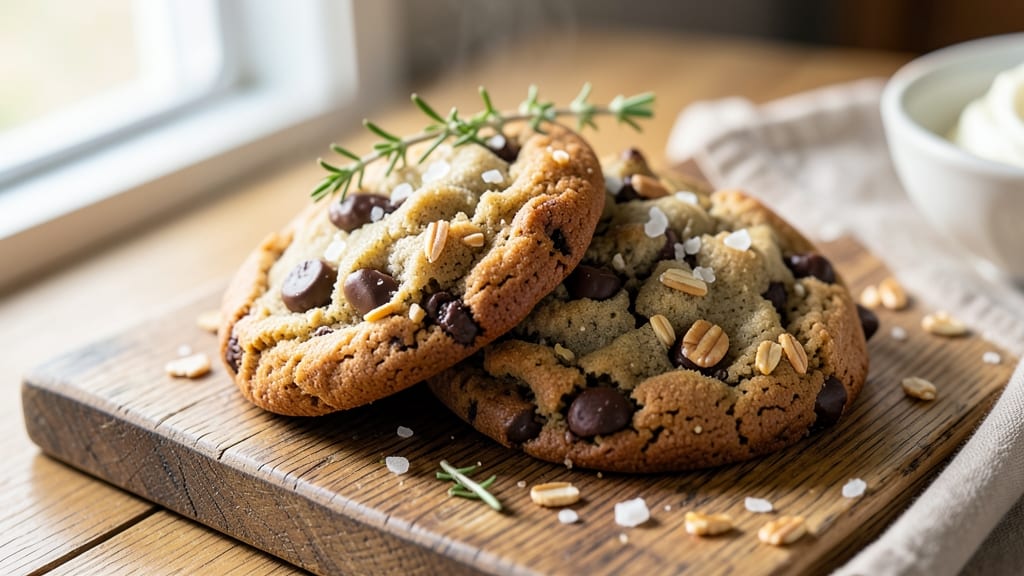
This Betty Crocker gluten free chocolate chip cookie recipe delivers all the classic cookie magic without the gluten—think double-dipped crunch and gooey chocolate pockets that’ll fool even the most skeptical cookie lovers.
The secret lies in a blend of almond flour and certified gluten-free oats, which mimic the texture of traditional flour while keeping every bite tender yet sturdy.
I’ve tested this recipe dozens of times to perfect the balance between crispy edges and a soft, melt-in-your-mouth center, ensuring these cookies hold up to that first, inevitable bite.
The foundation starts with a simple yet strategic ingredient list: almond flour for structure, gluten-free oats for chewiness, and a touch of xanthan gum to bind it all together. Brown sugar caramelizes beautifully, adding depth, while melted butter and eggs create that signature cookie dough consistency.
What sets these apart is the double-dipping technique—first in melted chocolate, then in crushed gluten-free pretzels or nuts for extra crunch. It’s a small step that makes a world of difference in texture and flavor.
By the time these cookies emerge from the oven, you’ll have golden-brown edges with a crackly top layer, all while maintaining that signature chewy center. The chocolate stays gooey, not overly melted, and the pretzel or nut coating adds a satisfying contrast.
These cookies are sturdy enough to handle shipping (great for gifting!) but still soft enough to eat warm from the pan. The aroma alone will have your kitchen smelling like a bakery, and the taste? Pure nostalgia with a modern twist.
Perfect for holiday baking, potlucks, or just satisfying a late-night sweet tooth, this recipe proves gluten-free doesn’t mean giving up on texture or flavor.
With just 10 minutes of prep and 12 minutes in the oven, you’ll have a batch of cookies that look and taste like they came from Betty Crocker’s own kitchen. Let’s get baking—these are the kind of cookies that disappear faster than you can say “double-dipped.”
Ingredients for betty crocker gluten free chocolate chip cookie
Almond flour, gluten-free oats, and xanthan gum form the perfect trio for these double-dipped gluten-free cookies.
| Ingredient | Amount | Notes |
|---|---|---|
| Almond Flour 🌰 | 2 ½ cups | Finely ground, unsweetened preferred |
| Certified Gluten-Free Rolled Oats 🥣 | 1 cup | Blended into fine oat flour |
| Xanthan Gum 🧪 | ½ tsp | Essential for binding structure |
| Light Brown Sugar 🍚 | ¾ cup | Packed firmly for caramelization |
| Unsalted Butter 🧈 | 1 cup | Melted, cooled slightly |
| Large Eggs 🥚 | 2 whole | Room temperature for even mixing |
| Vanilla Extract 🌿 | 1 tbsp | Pure, high-quality preferred |
| Sea Salt 🧂 | 1 tsp | Fine grain for even distribution |
| Gluten-Free Chocolate Chips 🍫 | 2 cups | Enjoy Life brand recommended |
| Gluten-Free Pretzels 🥨 | 2 cups | Crushed into fine crumbs |
| Dark Chocolate Bars 🍫 | 12 oz | 70% cacao, chopped finely |
| Granulated Sugar 🍚 | ¼ cup | For sprinkling after dipping |
The almond flour is non-negotiable here—Bob’s Red Mill brand works best for that fine texture. Grab certified gluten-free oats from the baking aisle; Bob’s Red Mill or Quaker are reliable. Xanthan gum might be hiding in the baking section near flour—Wholesale Supplements sells it in small quantities if you don’t want to buy a big container. For the chocolate chips, Enjoy Life brand is the only gluten-free option that melts beautifully without clumping. The dark chocolate bars should be at least 70% cacao—Ghirardelli or Lindt are my go-tos, but any high-quality brand works.
No almond flour? Oat flour or coconut flour can stretch it, but texture will change slightly. Running short on gluten-free oats? Certified GF all-purpose flour at half the amount works in a pinch, but these won’t be as chewy. The xanthan gum is crucial—skip it and your cookies will crumble. For the chocolate dipping, white chocolate or caramel sauce can replace dark chocolate, but the flavor profile shifts dramatically. The pretzels? Any gluten-free brand works, but Snyder’s or Utz are widely available and crush easily. Need extra crunch? Swap half the pretzels for toasted pecans or walnuts.
Store the almond flour in an airtight container—it goes rancid fast. The gluten-free oats keep for 6 months in the pantry, but xanthan gum lasts 2 years unopened. Once baked, these cookies stay fresh for 5 days in an airtight container, but the double-dipped ones? Best eaten within 3 days before the chocolate softens. Freeze dough balls for up to 3 months—bake straight from frozen, adding 2 extra minutes. The double-dipping magic makes these perfect for gifting—just pack them in layers with parchment between cookies.
Why You'll Love This Recipe
- I’ll be real: almond flour isn’t cheap, but this recipe stretches further than store-bought GF cookies—plus, the xanthan gum keeps them sturdy without needing pricey binders. One bag of oats lasts me months.
- No-Mess Mixing: I swear by the 5-minute cream-and-fold method here—just toss the almond flour, oats, and xanthan gum with the brown sugar, then cut in the butter until it’s crumbly. No food processor, no overworking, just done.
- Rich Without Guilt: Honestly, the almond flour gives these cookies a deeper, almost toasty flavor that feels indulgent but still fits gluten-free needs. And that crispy oat edge? It’s the secret weapon—crunchy outside, chewy inside, every time.
- Party in a Jar: Between us, these freeze like champs. Bake a batch, portion them into containers, and you’ve got grab-and-go treats for bake sales, potlucks, or just because. (Yes, even on a Tuesday night.)
Step-by-step instructions for Betty Crocker-inspired gluten-free chocolate chip cookies
Here's how to create cookies with double-dipped crunch and gooey centers that rival classic recipes.
Blend the Dry Ingredients for Perfect Texture
In a high-powered food processor, combine the 2.5 cups almond flour, 1 cup certified gluten-free rolled oats, 0.5 tsp xanthan gum, 1 tsp sea salt, and 2 cups gluten-free pretzels. Pulse until the oats are finely ground and everything is evenly mixed—this creates the signature crunchy base. The xanthan gum is non-negotiable here; it mimics gluten's binding properties and ensures your cookies hold together.
Transfer the mixture to a large mixing bowl and set aside. I like to use a fine-mesh sieve at this stage to break up any remaining oat clusters, which guarantees a smoother dough. This step prevents those frustratingly crumbly cookies that fall apart when baking.
Cream Butter and Sugar for Maximum Flavor
In a separate large bowl, melt the 1 cup unsalted butter in the microwave for 30 seconds, then let it cool slightly until it's just warm to the touch. Add the 0.75 cup light brown sugar and whisk vigorously until the mixture becomes pale and fluffy—this should take about 2-3 minutes. You're looking for a light, airy texture that nearly doubles in volume.
This creaming process incorporates air, which creates those beautiful crackly tops and helps the cookies spread just enough. If you rush this step, you'll end up with dense, cakey cookies instead of the chewy, tender texture we're after. The brown sugar's moisture also helps bind the gluten-free flour mixture.
Mix Wet Ingredients and Fold in Chocolate
Add the 2 whole large eggs (room temperature) and 1 tbsp vanilla extract to the butter-sugar mixture, whisking until fully combined. The eggs should be incorporated smoothly—no streaks should remain. Gradually add the dry ingredients from the food processor, mixing on low speed until just combined. Avoid overmixing; you should still see some flour streaks.
Remove the bowl from the mixer and fold in the 2 cups gluten-free chocolate chips by hand using a rubber spatula. I like to press the chocolate chips into the dough slightly so they're evenly distributed throughout. This ensures every bite has that perfect melty chocolate surprise. For extra decadence, I also fold in the 12 oz finely chopped dark chocolate bars at this stage.
Chill the Dough for Better Shape and Flavor
Cover the dough with plastic wrap and refrigerate for at least 1 hour, but I prefer 2 hours or even overnight. This chilling step is absolutely critical—it prevents excessive spreading in the oven, allows the flour to fully hydrate, and develops deeper flavors. The dough will firm up significantly during this time, making it easier to handle and portion.
Here's the thing—if you skip this step, your cookies will spread too thin and may develop a raw center. The cold dough also means the cookies hold their shape better when they hit the hot oven, resulting in thicker cookies with crispy edges and gooey centers. Trust me on this one.
Bake and Double-Dip for Ultimate Crunch
Preheat your oven to 350°F and line two baking sheets with parchment paper. Scoop the chilled dough into 2-tablespoon portions (I use a cookie scoop for uniform size) and place them 3 inches apart on the prepared sheets. Bake for 11-13 minutes until the edges are golden brown but the centers still look slightly underdone.
Here's where the magic happens: as soon as they come out of the oven, immediately dip the bottom half of each cookie into melted dark chocolate (mix the 12 oz dark chocolate bars with 0.25 cup granulated sugar and 1 tbsp butter for a glossy finish). Let the excess drip off, then place them back on the baking sheet. The residual heat will help the chocolate set while keeping the centers warm and gooey.
Let the cookies cool on the baking sheet for 5 minutes before transferring to a wire rack. Serve warm for the ultimate experience—each bite should deliver that perfect balance of crispy pretzel crunch, chewy cookie texture, and melty chocolate goodness. These cookies are so good, you'll want to make a double batch!
Pro Tips For Making Betty Crocker Gluten Free Chocolate Chip Cookie
- Chill the Dough: I learned this the hard way—skipping the fridge time makes these cookies spread like pancakes. Pop the dough in the freezer for 20 minutes before scooping, even if you're impatient. The almond flour and oats need that extra hold.
- Toast the Oats: Brown sugar’s enough sweetness, but toasting the gluten-free oats first adds depth. Pulse them in a dry skillet for 3-4 minutes until fragrant—just don’t walk away. They burn faster than you’d think, and the flavor changes everything.
- Weigh the Almond Flour: Scooping almond flour by volume is a disaster. It packs differently than regular flour, so use a kitchen scale for accuracy. Two ounces per cup is your target—any less and the cookies turn crumbly, any more and they’re dense.
- Use Cold Butter: This isn’t the prettiest method, but it’s the tastiest. Cream the unsalted butter and brown sugar with the dough still in the fridge, then mix everything by hand. The cold butter creates pockets for the chocolate chips to melt into, making each bite richer.
Essential equipment for this dish
High-Power Mixer
Your best friend for gluten-free cookies is a high-powered mixer like the KitchenAid Artisan Series—it handles almond flour and oat flour better than basic stand mixers. The strong motor ensures even blending without overheating the dough.
If you don’t have one, a hand mixer works, but you’ll need to mix on low speed to avoid overworking the delicate gluten-free batter. 🌰
Food Processor
A food processor is non-negotiable for grinding the gluten-free oats into fine flour. I use the Ninja BN601 because it handles small batches efficiently. Pulse until the oats resemble fine sand—this creates the perfect texture for chewy cookies.
Skip this step, and you’ll end up with gritty cookies that lack the signature bite. For extra precision, sift the ground oats through a fine-mesh sieve to eliminate any remaining lumps.
Cookie Scoop
Uniform cookie size is key for even baking, so invest in a 2-tablespoon cookie scoop (like the OXO Good Grips). This ensures consistent dough portions that bake simultaneously, preventing some cookies from overcooking while others stay underdone.
If you don’t have a scoop, use a large spoon and level it with a knife—but expect slight variations in size and bake time.
Parchment Paper
Line your baking sheets with high-quality parchment paper (I love Amazon Basics for its non-stick properties) to prevent cookies from sticking and burning. The paper also makes it easy to transfer freshly baked cookies for that all-important double-dip without breaking them.
Pro tip: Use two sheets per tray—one on the bottom and one on top—for extra protection, especially with gluten-free doughs that can be fragile.
Dark Chocolate Melting Tools
For the double-dip magic, you’ll need a double boiler or microwave-safe bowl to melt the 12 oz dark chocolate bars smoothly. I prefer the double boiler method for even melting—place a heatproof bowl over a pot of simmering water, stirring until the chocolate reaches 110°F.
For convenience, a microwave-safe mixing bowl (like Pyrex) works too—heat in 20-second intervals, stirring between each, until fully melted. Avoid direct heat to prevent burning the chocolate.
Wire Cooling Rack
A wire cooling rack is essential for letting cookies cool evenly after baking and dipping. I use the OXO Good Grips with its elevated design to allow air circulation, preventing soggy bottoms.
Place the rack directly over the baking sheet while the cookies cool for 5 minutes before transferring—this keeps the chocolate from melting too quickly. For extra stability, use a large baking sheet as a base under the rack to catch any drips from the double-dipped chocolate.
Nutrition facts
Frequently asked questions
Why does this recipe use almond flour instead of regular flour?
Almond flour provides a naturally gluten-free structure while adding rich flavor and moisture. Unlike regular flour, it creates a tender yet sturdy cookie texture without needing gluten substitutes. The fat content from almonds also prevents dryness, which is common in gluten-free baking. Plus, it adds a subtle nutty depth that pairs perfectly with chocolate!
Can I make these cookies without xanthan gum?
While possible, xanthan gum is essential for binding the gluten-free ingredients. Without it, your cookies may crumble or spread too much. If you're allergic, try 1 tsp psyllium husk powder as a substitute, but test first—it can make cookies denser. For best results, stick with xanthan gum unless you're comfortable adjusting the recipe.
How do I prevent my gluten-free cookies from spreading too much?
Chill the dough for at least 2 hours (overnight is ideal) and use a cookie scoop for even portions. Bake on the middle rack at 350°F for 11-13 minutes—don't overbake! The double-dip step adds structure too, as the melted chocolate helps set the edges. For extra control, flatten dough balls slightly before baking.
What's the best way to store these double-dipped cookies?
Keep them in an airtight container at room temperature for 3 days maximum—the chocolate stays firmest this way. For longer storage, freeze dough balls for 3 months (bake straight from frozen, adding 2 minutes). Avoid refrigerating baked cookies, as condensation makes the chocolate soggy. Pack in layers with parchment for gifting!
Can I substitute regular chocolate chips for gluten-free ones?
Not recommended—regular chocolate chips often contain wheat or barley malt. Use Enjoy Life brand gluten-free chocolate chips (they melt beautifully) or make your own by chopping a gluten-free chocolate bar. The double-dip chocolate should also be certified gluten-free to avoid cross-contamination. Always check labels!