
Beverages
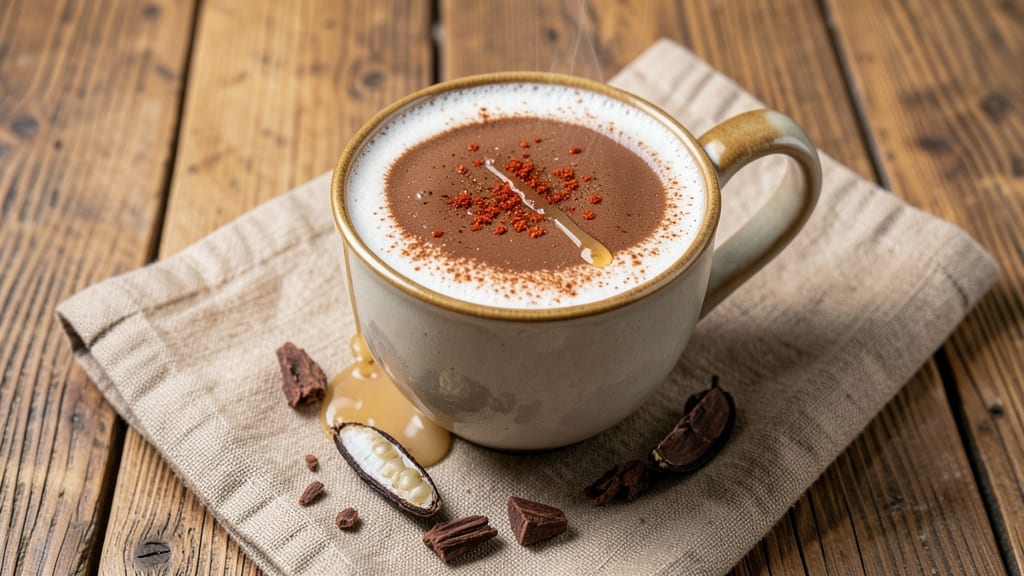
This cacao paste hot chocolate recipe delivers velvety depth and ultra-rich flavor without refined sugar, proving plant-based indulgence can rival traditional versions. The secret lies in cacao paste—a concentrated, minimally processed form of cocoa that unlocks complex chocolate notes while maintaining natural sweetness.
I developed this recipe after discovering how cacao paste transforms ordinary hot chocolate into something sophisticated yet approachable, perfect for modern palates craving authenticity without compromise.
The beauty of this method is its versatility—whether you prefer a smooth, creamy finish or a textured, frothy top, cacao paste adapts effortlessly. Unlike powdered cocoa, it retains the bean's natural oils, creating a luxurious mouthfeel that no store-bought mix can replicate.
The recipe requires just five core ingredients (plus optional spices) and takes under 10 minutes to prepare, making it ideal for weeknight comfort or special occasions alike.
What sets this apart is the balanced flavor profile: deep, chocolatey notes from the cacao paste harmonize with warm spices like cinnamon and cayenne, while plant-based milk adds silky texture without overpowering.
The result is a beverage that feels decadent yet clean, satisfying even for those avoiding sugar or dairy. Each sip delivers that intense chocolate satisfaction you'd expect from a gourmet treat.
For added indulgence, top with whipped coconut cream, toasted cacao nibs, or a sprinkle of sea salt to enhance the cacao's natural sweetness. This recipe proves you don't need sugar or dairy to create restaurant-quality hot chocolate—just the right ingredients and technique.
Let's get started on crafting your perfect cup.
Ingredients for cacao paste hot chocolate
Five core ingredients transform cacao paste into luxurious, restaurant-quality hot chocolate without refined sugar.
| Ingredient | Amount | Notes |
|---|---|---|
| Cacao Paste 🍫 | ½ cup | High-quality, minimally processed |
| Unsweetened Almond Milk 🥛 | 2 cups | Barista-style preferred |
| Coconut Oil 🫒 | 1 tbsp | For silky texture |
| Ground Cinnamon 🌿 | ½ tsp | Freshly ground preferred |
| Cayenne Pepper 🌶️ | ¼ tsp | Adjust for heat preference |
| Vanilla Extract 🌸 | ½ tsp | Pure Madagascar preferred |
| Sea Salt 🧂 | ¼ tsp | Fine grain preferred |
| Maple Syrup 🍁 | 1 tbsp | Grade B for depth |
| Cacao Nibs 🍫 | 1 tbsp | For garnish, optional |
| Toasted Coconut Flakes 🥥 | 1 tbsp | For garnish, optional |
Cacao paste is the foundation—look for brands like Navitas or Equal Exchange for the richest flavor. The paste should be thick, dark, and slightly oily; avoid powdered versions that lack depth. Unsweetened almond milk provides the ideal creamy base, but oat or cashew milk work equally well. For an extra-luxurious finish, barista-style almond milk adds a velvety mouthfeel. Coconut oil is non-negotiable—it mimics the natural fats in dairy-based hot chocolate, creating that signature richness without dairy. If you're using a lower-quality cacao paste, increase the coconut oil to 1.5 tbsp to compensate.
No vanilla extract? Vanilla bean paste adds flecks of real vanilla, or a pinch of vanilla powder works in a pinch. For heat lovers, double the cayenne—it enhances the cacao's natural depth. If maple syrup feels too sweet, date syrup or agave nectar provide a more neutral sweetness. The optional garnishes—cacao nibs and toasted coconut flakes—elevate the presentation; toast the nibs in a dry pan for 2 minutes to intensify their flavor. For a frothy top, whisk vigorously or use a handheld frother—the contrast between smooth and textured layers is what makes this feel gourmet.
Store cacao paste in an airtight container in a cool, dark place for up to 6 months. Coconut oil solidifies when cold—keep it at room temperature for easy measuring. This recipe reheats beautifully; simply warm with a splash of milk. For batch prep, double the ingredients and store in individual mason jars—just add hot water when ready. The garnishes keep for 2 weeks in the fridge, but toast them fresh for maximum flavor.
Why You'll Love This Recipe
- No Melted Chocolate Mess: I’ve ruined store-bought hot chocolate more times than I’ll admit—lumpy powder, burnt sugar, you name it. This recipe? Just toss the cacao paste and coconut oil into warm almond milk, stir, and boom—smooth, velvety perfection without the cleanup. The paste dissolves like magic, no whisking marathon required.
- Deep, Spiced Luxury: Honestly, this isn’t your childhood hot chocolate. The cacao paste packs a rich, almost fudgy depth, while the cinnamon and a hint of cayenne add warmth that lingers. It’s like sipping on a hug—creamy, slightly spicy, and impossible to stop at one cup.
- Weeknight or Wind-Down: Between us, I make this for two very different reasons: when I’m exhausted after work (add a splash of almond milk, microwave, done) and when I’m hosting friends (scale it up, add whipped coconut cream on top—suddenly it’s fancy). Same recipe, two vibes.
- Budget-Friendly Indulgence: A single block of cacao paste makes way more servings than a bag of powdered mix, and almond milk is cheaper than fancy dairy drinks. Plus, the coconut oil adds richness without butter costs. My wallet and taste buds both win—especially when I freeze leftovers into single-serving ice cubes for quick reheats.
Step-by-step instructions for ultra-rich cacao paste hot chocolate
Here's how to craft velvety, complex hot chocolate using cacao paste's natural depth.
Melt the Cacao Paste and Coconut Oil
In a medium saucepan over medium-low heat, combine the 0.5 cup cacao paste and 1 tablespoon coconut oil. Stir constantly with a silicone spatula for 3-4 minutes until the mixture reaches 160°F and becomes completely smooth. The cacao paste contains natural fats that need gentle heat to fully emulsify—don't rush this step or you'll risk graininess.
You'll notice the mixture will thicken slightly as it warms, then gradually soften into a glossy paste. This is your flavor foundation, where the cacao's rich, earthy notes begin to awaken. Keep the heat low to prevent burning—the cacao paste has a low flash point and can scorch easily.
Incorporate the Almond Milk and Spices
Remove the saucepan from heat and slowly whisk in the 2 cups unsweetened almond milk, adding it in a steady stream to prevent curdling. Return the pan to low heat and continue whisking for 2-3 minutes until the milk is fully incorporated and the mixture reaches 170°F. This temperature ensures all bacteria are neutralized while preserving the delicate flavors.
In a small bowl, combine the 0.5 teaspoon ground cinnamon, 0.25 teaspoon cayenne pepper, 0.5 teaspoon vanilla extract, and 0.25 teaspoon sea salt. Whisk these spices into the hot chocolate mixture until fully dissolved. The cayenne adds subtle heat that enhances the cacao's natural bitterness, while the salt and cinnamon create a perfect balance. Taste now—you should detect layers of spice and warmth without overpowering sweetness.
Sweeten and Finish the Mixture
Stir in the 1 tablespoon maple syrup and whisk vigorously for 1 minute to fully incorporate. The syrup should dissolve completely, adding just enough sweetness to complement the cacao's natural bitterness. Return the pan to low heat and simmer gently for 1 additional minute, stirring constantly, until the mixture reaches 180°F. This final temperature ensures the hot chocolate is piping hot and ready to serve immediately.
Real talk: If you prefer a thicker consistency, simmer for 2-3 more minutes to reduce slightly. For a thinner, more drinkable texture, add 1-2 tablespoons hot water at the end. The key is achieving that perfect balance between richness and drinkability—this is where the magic happens.
Garnish and Serve
Divide the hot chocolate among 4 serving mugs. Top each with 1 tablespoon cacao nibs and 1 tablespoon toasted coconut flakes. The nibs provide a delightful textural contrast and a burst of intense cacao flavor, while the coconut flakes add a subtle sweetness and nutty depth. Serve immediately while the chocolate is hot, as the flavors will mellow slightly as it cools.
For an elevated presentation, dust the surface with an additional pinch of ground cinnamon or a sprinkle of sea salt. The contrast of temperatures and textures—warm liquid, cool nibs, crunchy flakes—creates a sensory experience that makes this hot chocolate truly exceptional. Enjoy with a slice of dark chocolate or a dollop of whipped coconut cream for the ultimate indulgence.
Pro Tips For Making Cacao Paste Hot Chocolate
- Melt the Coconut Oil First: I learned this the hard way—dumping cold coconut oil into hot milk makes it clump like butter. Instead, melt 1-2 tablespoons in your saucepan before adding the milk. The heat will distribute it evenly, giving you that velvety texture without lumps.
- Toast the Cacao Paste: Skip the pre-ground powder—whole cacao paste has depth. Heat it dry in a dry pan over medium-low for 2-3 minutes until it smells rich and toasty. This deepens the chocolate flavor without burning, and it blends smoother into the milk.
- Whisk in Stages: Adding all the almond milk at once? You’ll end up with a grainy mess. Start with half the milk, whisk until smooth, then slowly pour in the rest while stirring constantly. The cacao paste needs time to emulsify—rushing this step is how you get that sad, sandy texture.
- Balance the Cayenne Early: Taste before you add the full pinch. Cayenne burns fast, and once it’s in, you can’t take it out. Stir a tiny pinch (start with ⅛ teaspoon) into the warm milk first, then adjust. If you wait until the end, you might regret it—especially if you’re serving kids or sensitive palates.
Flavor customization for this recipe
Spice Variations
Experiment with warm spices to customize the flavor profile. For a Mexican-inspired twist, add ½ teaspoon ground ancho chili powder and ¼ teaspoon smoked paprika—these deepen the earthiness while adding subtle smokiness.
I love this combo with oat milk for a creamy, slightly spicy hot chocolate that pairs perfectly with churros. 🌶️
Craving something cozy and aromatic? Swap the cayenne for ½ teaspoon ground cardamom and ¼ teaspoon nutmeg—this creates a Middle Eastern-inspired flavor that’s sweet, floral, and warming.
A pinch of orange zest brightens the profile beautifully. For a chili-lovers’ version, increase the cayenne to ½ teaspoon and add ¼ teaspoon cinnamon for a spicy-sweet balance.
Sweetness Adjustments
Maple syrup works wonderfully, but date syrup adds caramel notes without overpowering the cacao’s depth. For a neutral sweetness, use agave nectar—it blends seamlessly and won’t compete with the rich chocolate flavors. If you prefer raw honey (non-vegan), add 1 tablespoon and stir vigorously to dissolve completely. 🍯
For a less sweet version, reduce the maple syrup to ½ tablespoon and enhance the natural sweetness of the cacao paste by adding 1 extra tablespoon of coconut oil.
This boosts creaminess while letting the chocolate’s inherent sweetness shine. Taste as you go—adjust in ¼ teaspoon increments until you hit your preferred balance.
Milk Alternatives
Unsweetened almond milk is my go-to, but oat milk adds natural creaminess and a slight sweetness that pairs well with the spices. For a nutty depth, try cashew milk—it’s ultra-rich and mimics the texture of dairy-based hot chocolate.
If you’re using soy milk, opt for unsweetened versions to avoid altering the flavor profile. 🥛
Coconut milk (full-fat, canned) creates a tropical twist—add ½ cup instead of almond milk for a thicker, almost dessert-like texture. For a lighter option, blend ½ cup silken tofu with 1 cup water and strain through a fine-mesh sieve to create a smooth, protein-rich base.
Each milk brings a unique texture and flavor, so don’t be afraid to mix and match!
Texture Enhancements
For a frothy top, whisk the finished hot chocolate vigorously with a handheld frother or French press plunger for 30 seconds—this adds airiness that mimics café-style hot chocolate.
A dash of xanthan gum (⅛ teaspoon) thickens the mixture slightly for a pudding-like texture, perfect for dipping spoons or topping with whipped coconut cream. ✨
Add 1 tablespoon aquafaba (chickpea brine) and whisk until frothy for a vegan marshmallow-like foam. For a crunchy contrast, sprinkle toasted hazelnuts or crushed peppermint candies on top.
The key is balancing textures—smooth liquid, crunchy garnishes, and airy foam create a multi-sensory experience that elevates the drink from ordinary to extraordinary.
Nutrition facts
Frequently asked questions
What's the difference between cacao paste and cocoa powder?
Cacao paste is the thick, oily result of grinding cacao beans without removing the natural fats (cacao butter), while cocoa powder is dried and powdered. The paste delivers richer, more complex flavor with a velvety texture—ideal for hot chocolate. Cocoa powder is more concentrated in dry solids but lacks the natural oils that create that signature luxurious mouthfeel.
Can I make this recipe without coconut oil?
Yes, but the texture will be thinner and less creamy. Substitute with 1 tablespoon neutral oil (like avocado or grapeseed) or 1 teaspoon cornstarch mixed with 2 tablespoons water to thicken. For the best results, stick with coconut oil—it mimics the natural fats in dairy-based hot chocolate while keeping the recipe vegan.
How do I store leftover cacao paste hot chocolate?
Store in an airtight container in the fridge for up to 3 days. Reheat gently on the stove with a splash of milk—never microwave, as it can make the texture grainy. For longer storage, freeze in individual portions for up to 1 month. Thaw overnight in the fridge before reheating. The flavors actually improve slightly after resting!
Why does my hot chocolate taste bitter?
Bitter notes usually mean one of three things: overheating (burnt cacao paste), too little sweetener, or low-quality cacao paste. Keep heat at medium-low and never exceed 180°F. For balance, add ¼ teaspoon more maple syrup or a pinch of vanilla extract. If using store-bought cacao paste, switch to a high-cacao percentage brand for deeper flavor.
Can I make this recipe with dark chocolate instead?
Replace the cacao paste with ½ cup melted dark chocolate (70% or higher) and reduce coconut oil to ½ tablespoon. The texture will be slightly thinner, but you'll get that classic chocolatey richness. For a hybrid version, use ¼ cup cacao paste + ¼ cup melted dark chocolate—this combines the best of both worlds.