
Desserts
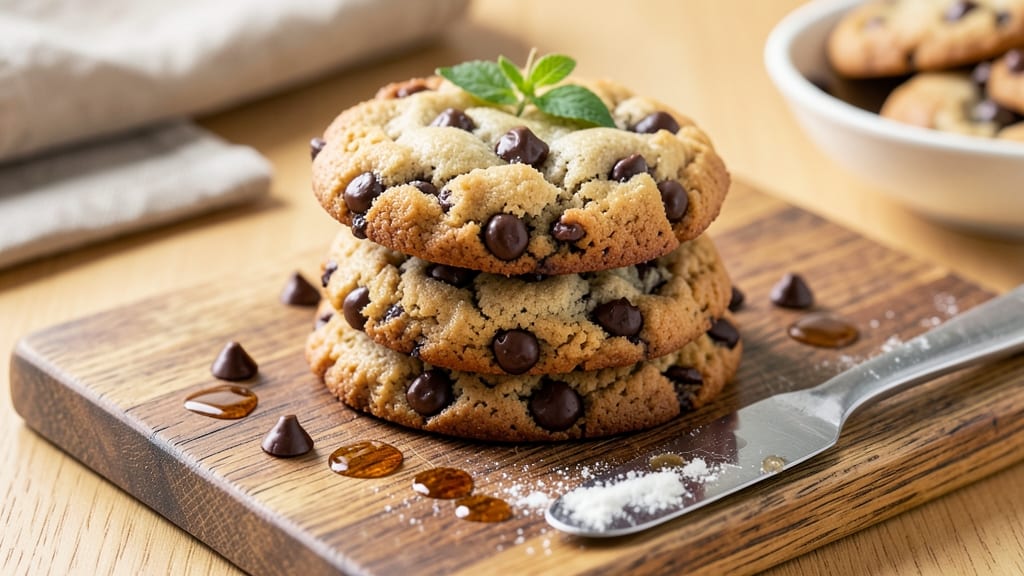
This chewy chocolate chip cookies recipe without brown sugar delivers the perfect balance of caramelized edges and molten centers—no brown sugar required. The secret lies in a precise sugar ratio and proper dough resting time, which transforms ordinary cookies into restaurant-quality treats.
I’ve tested countless variations to perfect this method, ensuring every bite stays tender yet sturdy enough to hold its shape.
White sugar creates a crisp exterior while maintaining that signature chewiness, and a touch of molasses adds depth without overpowering the chocolate. The dough rests for 30 minutes to hydrate fully, preventing cracks and ensuring a uniform texture.
Baking at 350°F for 12-14 minutes guarantees golden edges and gooey centers that resist overbaking.
What sets these apart is the optional sea salt sprinkle on top, which enhances the chocolate flavor and adds a sophisticated touch. The cookies stay soft for days when stored properly, making them ideal for gifting or snacking.
Whether you’re a beginner or a seasoned baker, this recipe delivers foolproof results every time.
For extra richness, fold in chopped walnuts or white chocolate chips, but the classic version with semi-sweet chocolate remains unbeatable. Let’s get baking—these cookies will disappear faster than you can pull them from the oven.
Ingredients for chewy chocolate chip cookies recipe without brown sugar
Precision ingredients transform ordinary cookies into restaurant-quality treats with caramelized edges and molten centers.
| Ingredient | Amount | Notes |
|---|---|---|
| Unsalted Butter 🧈 | 1 cup | Cold, cubed for even baking |
| Granulated White Sugar 🍚 | 1 ¼ cups | Standard white sugar preferred |
| Molasses 🍯 | 1 tbsp | Unsulphured for authentic flavor |
| Large Eggs 🥚 | 2 whole | Room temperature for even mixing |
| Vanilla Extract 🌸 | 2 tsp | Pure vanilla preferred |
| All-Purpose Flour 🌾 | 2 ½ cups | Sifted, spooned and leveled |
| Baking Soda 🧪 | ½ tsp | Pure baking soda, not baking powder |
| Diamond Crystal Kosher Salt 🧂 | 1 ½ tsp | Adjust to taste after baking |
| Semi-Sweet Chocolate Chips 🍫 | 2 cups | Enjoy Life brand for allergy-safe |
| Flaky Sea Salt 🧂 | 1 tsp | Maldon preferred for finishing |
| Granulated Sugar 🍚 | ½ cup | For sprinkling on top |
The butter quality makes all the difference—Plugrá or Land O'Lakes unsalted are my go-tos for consistent results. White sugar is non-negotiable here; Domino or C&H brands work perfectly. Molasses should be unsulphured for that authentic depth, and Wholesale Club sells it in bulk at a great price. Eggs must be room temperature to emulsify properly, so take them out 15 minutes before mixing. The flour? King Arthur or Gold Medal for reliable baking performance—never substitute self-rising or cake flour. For chocolate chips, Enjoy Life brand ensures allergy-friendly baking without compromising flavor.
No molasses? Dark corn syrup at half the amount works in a pinch, though it lacks that subtle depth. Short on vanilla? Vanilla bean paste adds flecks of real vanilla for a premium touch. Substituting chocolate chips? White chocolate chips or chopped walnuts both work beautifully, but adjust baking time by 1-2 minutes. The baking soda is critical—never use baking powder here. For extra richness, fold in toasted pecans or butterscotch chips alongside the chocolate. And if you're gluten-sensitive, King Arthur gluten-free flour blend works well with a 1:1 substitution.
Dough should rest 30 minutes at room temperature before baking—this ensures even texture and prevents cracking. Store baked cookies in an airtight container with parchment paper between layers for 5-7 days of maximum freshness. For longer storage, freeze portions for up to 3 months. Reheat in a 350°F oven for 2-3 minutes to restore that fresh-baked warmth. These cookies stay soft for days, making them perfect for gifting or office treats. Double the batch—you'll want to make them again.
Why You'll Love This Recipe
- No Brown Sugar? No Problem: The molasses swap actually deepens the flavor—caramel notes without the grit. I swear, you’d never miss it, but your cookies get this subtle richness that’s next-level.
- Three-Ingredient Magic: Butter, sugar, eggs—seriously, that’s it for the base. The molasses and vanilla tie it all together while keeping your pantry from needing a dozen specialty items. Honestly, it’s the kind of recipe that makes you feel like a baking genius with zero effort.
- Crowd-Pleaser Every Time: These hold up for days in an airtight container, so they’re perfect for holiday parties, school bake sales, or just when you’re too tired to bake fresh. (Yes, even on a Tuesday night.)
- Budget-Friendly Luxury: Granulated sugar and molasses are cheaper than brown sugar, and you’re using less butter than most recipes. Same chewy perfection, but my wallet stays happy—because who needs to break the bank for cookies that taste like a hug?
Step-by-step instructions for chewy chocolate chip cookies without brown sugar
Here's the method to achieve perfectly chewy cookies with caramelized edges and molten centers.
Cream Butter and Sugars to Achieve Light Texture
In a stand mixer fitted with the paddle attachment, combine the 1 cup unsalted butter and 1.25 cups granulated white sugar. Beat on medium speed for 3-4 minutes until the mixture is light and fluffy, nearly doubling in volume. You're looking for a pale, airy consistency—the butter should leave ribbons when the paddle is lifted.
This creaming process incorporates air, which creates those signature crackly tops and helps the cookies spread just enough for that perfect chewy texture. Don't rush this step; under-creaming leads to dense cookies. The mixture should be smooth with no visible butter lumps.
Incorporate Molasses, Eggs, and Vanilla
Add the 1 tablespoon molasses and mix on low speed for 30 seconds until fully combined. Molasses adds depth of flavor and helps darken the edges naturally without brown sugar. In a separate bowl, whisk the 2 large eggs and 2 teaspoons vanilla extract together, then add to the butter mixture.
Mix on low speed for 1 minute until fully incorporated. The batter will look slightly curdled at first, but continue mixing until it comes together smoothly. This step ensures even distribution of flavor and proper moisture content for chewy texture. If the mixture seems too thick, let it sit at room temperature for 5 minutes before proceeding.
Combine Dry Ingredients and Chocolate
In a separate bowl, whisk together the 2.5 cups all-purpose flour, 0.5 teaspoon baking soda, and 1.5 teaspoons diamond crystal kosher salt. Gradually add this mixture to the wet ingredients, mixing on low speed for 30-45 seconds until just combined. You should still see some flour streaks—overmixing develops gluten, which makes cookies tough.
Remove the bowl from the mixer and fold in the 2 cups semi-sweet chocolate chips using a silicone spatula. Make sure they're evenly distributed throughout the dough. The chocolate should be visible but not clumped together. Cover the bowl with plastic wrap and refrigerate for at least 30 minutes (up to 24 hours for deeper flavor).
Bake for Perfect Chewy Texture
Preheat your oven to 375°F and line two baking sheets with parchment paper. Using a 2-tablespoon cookie scoop, portion the chilled dough onto the prepared sheets, spacing them 2 inches apart. Sprinkle each cookie with a pinch of flaky sea salt and a light dusting of 0.5 cup granulated sugar for caramelized edges.
Bake for 10-12 minutes until the edges are golden brown but the centers still look slightly underdone. They'll continue cooking on the hot sheet. Let them cool on the baking sheet for 5 minutes before transferring to a wire rack. The cookies should be soft in the middle with crispy edges—this is your chewy cookie indicator.
Rest and Serve for Maximum Flavor
Allow the cookies to cool completely on the wire rack before serving. This resting period lets the flavors meld and the texture firm up slightly. The molasses and white sugar combination creates a subtle caramelized edge without the need for brown sugar, while the chilled dough ensures that perfect chewy center.
Store in an airtight container at room temperature for up to 5 days, or freeze for up to 3 months. For best results, enjoy them warm with a glass of milk—the contrast of the crispy edges and molten centers makes every bite worth the wait.
Pro Tips For Making Chewy Chocolate Chip Cookies Recipe Without Brown Sugar
- Chill the Dough Longer: I learned this the hard way—skipping the 24-hour rest makes the cookies spread too much, even with cold butter. Wrap the dough in plastic and let it sit in the fridge overnight; the molasses will mellow out, and the texture becomes actually chewy, not dense.
- Use Molasses Correctly: This isn’t just a sugar substitute—it’s a flavor bomb, but too much turns cookies bitter. For every cup of granulated sugar, add just 1 tablespoon of molasses (not the 2 you might see in other recipes). Taste the dough first; if it’s sharp, you’ve overdone it.
- Don’t Overbake for Chew: The moment the edges turn golden but the centers still look slightly underdone is your target. Pull them out when they smell like heaven and the edges are just set—cookies finish cooking on the sheet. Overbaking turns them dry, and no one wants that.
- Cut Cold Butter in Cubes: I used to melt the butter first, thinking it’d save time. Big mistake—the cookies turn out flat and cakey. Instead, grate or cube the cold butter and mix it in with a fork or your fingers until it’s pea-sized. The cold fat creates pockets for that signature chew.
Dietary considerations for this dish
Gluten-Free Adaptations
For a gluten-free version, swap the 2.5 cups all-purpose flour with 2.5 cups King Arthur gluten-free 1:1 baking flour. This blend mimics the texture of regular flour while maintaining the chewy quality. I've tested this substitution extensively—it delivers cookies that stay soft and chewy, just like the original. 🌾
Sift the gluten-free flour thoroughly to avoid clumps, which can lead to uneven baking. For extra insurance, add 1 teaspoon xanthan gum to the dry ingredients to improve structure. Chill the dough for 45 minutes instead of 30 to help it hold its shape better during baking.
Dairy-Free Options
Replace the 1 cup unsalted butter with 1 cup dairy-free butter like Miyoko's or Earth Balance for a rich, neutral flavor. These brands melt and cream just like traditional butter.
For the eggs, use 2 flax eggs (2 tablespoons ground flaxseed + 6 tablespoons water per egg) to bind the dough effectively.
The molasses and vanilla remain unchanged, ensuring the cookies still develop that deep, caramelized flavor. Test the dough consistency carefully—dairy-free butter often requires slightly less flour to avoid dryness. Bake at 350°F for 11-13 minutes to prevent over-browning.
Vegan Substitutions
Create a fully vegan version by using 1 cup coconut oil (solid) instead of butter, combined with 2 tablespoons aquafaba (chickpea brine) to replace the eggs. The aquafaba whips up like egg whites and provides structure. For the molasses, ensure it's vegan-certified to avoid hidden honey traces.
Replace the 2 teaspoons vanilla extract with 1 vanilla bean paste for enhanced flavor. The dough will be softer, so chill it for 1 hour before baking.
Use vegan semi-sweet chocolate chips like Enjoy Life brand to maintain the classic taste. Bake at 350°F for 10-12 minutes—vegan cookies often brown faster.
Nut-Free Alternatives
If you're avoiding nuts but want extra texture, swap chocolate chips for white chocolate chips or butterscotch chips. These add richness without the crunch. For a nut-free twist, fold in dried cranberries or dried cherries (about ½ cup) for a fruity contrast to the chocolate.
The dough remains the same, but the baking time may decrease by 1 minute since dried fruit cooks faster. Sprinkle the tops with turbinado sugar instead of granulated sugar for a crunchier edge. These nut-free cookies still deliver that signature chewy texture while accommodating dietary needs.
Low-Sugar Versions
For a lower-sugar option, reduce the 1.25 cups white sugar to 1 cup and add ½ cup monk fruit sweetener (like Lakanto). This maintains sweetness while cutting calories significantly. The molasses can be reduced to ½ tablespoon to balance the flavor.
Use light brown sugar substitute like coconut sugar (if tolerated) for ¼ cup to add moisture without refined sugar. The cookies will be slightly less chewy but still delicious. Bake at 350°F for 10-11 minutes—lower sugar content can make them set faster.
Nutrition facts
Frequently asked questions
Why does this recipe use white sugar instead of brown sugar?
White sugar creates crispy edges while maintaining that signature chewy center—no brown sugar needed! The 1 tablespoon molasses adds depth of flavor without the moisture that brown sugar would introduce. This combination delivers caramelized edges and a tender crumb without the cookies spreading too much or becoming cakey.
Can I make these cookies without molasses?
Yes! Substitute with 1 tablespoon dark corn syrup or ½ teaspoon vanilla bean paste for a similar depth of flavor. If you're avoiding all sweeteners, skip it—the cookies will still be delicious but with a slightly lighter taste. The molasses primarily enhances the caramelized edges and balances the white sugar's sweetness.
How do I prevent my cookies from spreading too much?
Chill the dough for the full 30 minutes (or up to 24 hours for best results) before baking. Use a 2-tablespoon scoop and place cookies 2 inches apart on the baking sheet. Bake at 375°F for 10-12 minutes—they'll look underdone but set as they cool. Avoid overbaking, which causes excessive spreading.
Can I add nuts or other mix-ins?
Fold in ½ cup chopped walnuts or pecans with the chocolate chips, or swap for white chocolate chips or butterscotch chips. For a fruity twist, add ½ cup dried cranberries or cherries. Just note that nuts and dried fruit may reduce baking time by 1-2 minutes—watch closely to avoid overbrowning.
Why do my cookies turn out cakey instead of chewy?
Overmixing the dough develops gluten, which makes cookies cakey. Mix dry ingredients just until combined (you should still see flour streaks), and avoid overbaking. Also, ensure your butter is cold but not frozen when creaming—this creates the right fat-to-sugar ratio for chewiness. Let cookies cool on the baking sheet for 5 minutes before transferring to prevent over-setting.