
Desserts
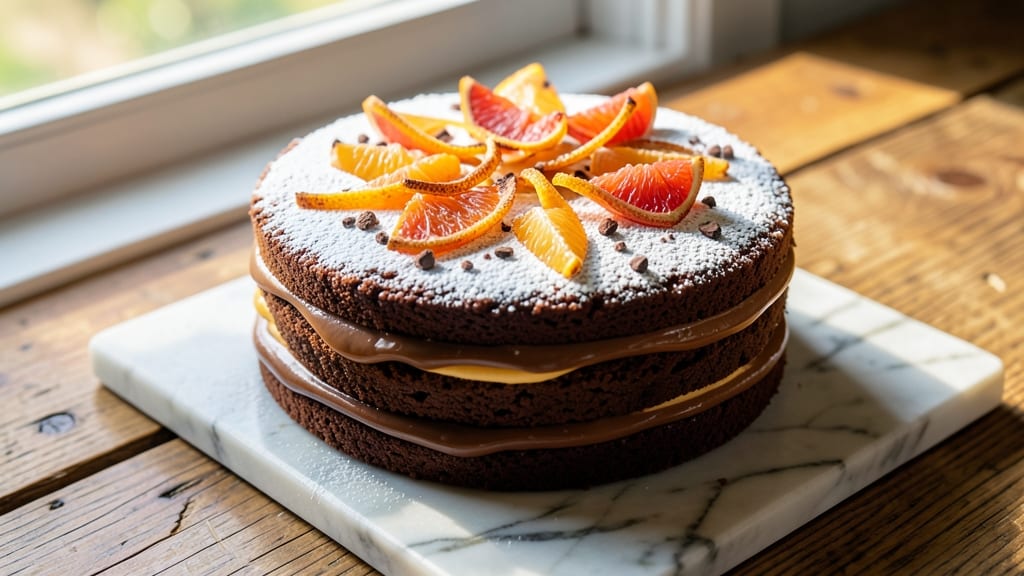
This basic chocolate orange cake recipe transforms a classic dessert into something vibrant and unforgettable—where rich chocolate meets bright citrus in perfect harmony. The secret lies in the zesty orange glaze, which cuts through the deep cocoa flavor, creating a balance that’s both nostalgic and refreshing.
What makes this recipe stand out is its simplicity; no fancy techniques, just a moist, tender cake that’s foolproof for beginners yet impressive enough for gatherings.
The foundation is a classic chocolate cake, elevated by the addition of orange zest and juice, which infuses every layer with a subtle, aromatic brightness. Creaming butter and sugar properly ensures a light texture, while folding in the dry ingredients gently prevents overmixing.
Baking at the right temperature guarantees an even rise, and the glaze—made with powdered sugar, orange juice, and a touch of cream—adds a glossy finish that’s irresistibly sweet-tart.
By the time you slice into this cake, you’ll be rewarded with a moist, fudgy crumb and a glaze that’s crisp yet tender, with every bite offering that perfect contrast of chocolate and citrus.
The glaze isn’t just decoration; it’s the star, turning a simple cake into something extraordinary. Whether you’re celebrating a birthday or just craving a treat, this recipe delivers restaurant-quality results with minimal effort.
Ready to bake? The ingredients are straightforward, and the steps are clear—no room for mistakes here. This cake is versatile too: serve it with whipped cream, fresh berries, or even a dusting of cocoa powder for extra flair.
Let’s get started on a dessert that’s as easy to make as it is delicious to eat.
Ingredients for basic chocolate orange cake
Eight essential ingredients create a moist chocolate cake with bright orange notes and a zesty glaze.
| Ingredient | Amount | Notes |
|---|---|---|
| All-Purpose Flour 🌾 | 2 cups | Sifted for light texture |
| Granulated Sugar 🍚 | 2 cups | White or light brown |
| Unsalted Butter 🧈 | 1 cup | Room temperature, full-fat |
| Large Eggs 🥚 | 2 whole | Room temperature |
| Orange Zest 🍊 | 1 tbsp | Freshly grated, vibrant |
| Orange Juice 🍊 | ½ cup | Freshly squeezed |
| Unsweetened Cocoa Powder 🍫 | ½ cup | Dutch-processed preferred |
| Baking Soda 🧪 | ½ tsp | Pure, not baking powder |
| Salt 🧂 | ½ tsp | Fine sea salt |
| Vanilla Extract 🍃 | 1 tsp | Pure, high-quality |
| Powdered Sugar 🍚 | 1 ½ cups | For glaze, sifted |
| Heavy Cream 🥛 | ¼ cup | Cold for glaze |
The orange zest and juice are game-changers here—use freshly squeezed juice and zest from organic oranges for the brightest flavor. Trader Joe's often carries vibrant Valencia oranges perfect for this, but any sweet orange works. If you can't find fresh, bottled orange juice with pulp is a decent backup, though it lacks that fresh zest aroma. For the cocoa powder, Dutch-processed (like Ghirardelli) gives a smoother texture, but regular cocoa works too. The butter should be room temperature—press it gently to test, and if it leaves a slight dent, it's ready.
No fresh orange juice? Substitute bottled with pulp or even a mix of apple juice and a splash of lemon juice for tartness. Running short on powdered sugar? Blend granulated sugar into a fine powder in a blender or food processor. The vanilla extract can be swapped for vanilla bean paste if you're feeling fancy, but pure extract is fine. For the glaze, heavy cream can be replaced with Greek yogurt or sour cream for a lighter texture, though it will be slightly tangier. The baking soda is non-negotiable—it's what gives the cake that tender crumb, so don't swap it for baking powder.
Store the cake in an airtight container at room temperature for up to 3 days, though it's best enjoyed fresh. The glaze will keep the cake moist, but for longer storage, slice and freeze individual portions on parchment paper—they reheat beautifully. If you make the glaze ahead, store it separately in the fridge and add it just before serving to keep it glossy. Leftovers? Toasted coconut flakes or fresh berries make great toppings for the next day.
Why You'll Love This Recipe
- Let’s be real: cake leftovers are usually a sad, dry mess. Not this one. The butter keeps it moist, and the sugar caramelizes just enough to stay tender. I’ve had slices for breakfast, dessert, or even a snack—no regrets.
- No Fuss Mixing: I swear by this recipe—just cream butter and sugar, crack eggs, fold in flour and orange zest. That’s it. No sifting, no weird ratios, no stress. The zest brightens the whole thing while you’re mixing, so you know it’s working.
- Zesty Magic: That orange zest? It’s the star. The chocolate’s rich but never heavy, and the citrus cuts through like a perfect contrast. Honestly, the first time I tasted it, I thought, “Why haven’t I done this sooner?” It’s like a hug for your taste buds.
- Crowd-Pleaser Anywhere: Bring this to a potluck, birthday, or even a lazy Sunday brunch. It’s got that universal appeal—chocolate lovers and citrus fans both go wild. Plus, it’s not too fancy, so no one feels intimidated slicing into it.
Step-by-step instructions for chocolate orange cake
This method delivers a perfectly moist cake with vibrant orange flavor and a glossy glaze.
Prep Ingredients and Preheat Oven
Begin by preheating your oven to 350°F and greasing two 8-inch round cake pans with butter or baking spray. Line the bottoms with parchment circles for easy removal. While the oven heats, sift together the 2 cups all-purpose flour, 0.5 cup unsweetened cocoa powder, 0.5 tsp baking soda, and 0.5 tsp salt in a medium bowl. Set aside—this dry mix ensures even distribution and prevents lumps in your batter.
In a separate bowl, measure out the 2 cups granulated sugar and 1 tbsp orange zest. The zest adds vibrant flavor, so use freshly grated zest for maximum brightness. Also measure the 0.5 cup orange juice—this keeps the cake moist and complements the chocolate beautifully. Let these sit at room temperature while you prepare the remaining ingredients.
Cream Butter and Sugars
In a large mixing bowl, combine the 1 cup unsalted butter (at room temperature) and 2 cups granulated sugar using an electric mixer on medium speed. Beat for 3-4 minutes until the mixture is light and fluffy, with a pale golden color. You'll notice the butter and sugar nearly double in volume—this incorporates air, which creates a tender crumb in your cake.
With the mixer still running, add the 2 whole large eggs, one at a time, mixing well after each addition. Scrape down the sides of the bowl as needed to ensure everything is fully incorporated. Then add the 1 tsp vanilla extract and mix for another 30 seconds. This step ensures your cake has a rich, aromatic base before we fold in the citrus elements.
Combine Wet and Dry Ingredients
Gradually add the sifted dry ingredients to the butter-sugar mixture in 3 additions, mixing on low speed just until combined after each addition. Avoid overmixing—you should still see small streaks of flour. Then pour in the 0.5 cup orange juice and mix on low speed until just incorporated.
Finally, fold in the 1 tbsp orange zest using a spatula. The zest should be evenly distributed throughout the batter. Divide the batter evenly between the two prepared cake pans, smoothing the tops with a spatula. Bake for 25-30 minutes or until a toothpick inserted into the center comes out clean. The cake should spring back gently when pressed in the center.
Make the Orange Glaze
While the cakes cool in their pans for 10 minutes, prepare the glaze by whisking together the 1.5 cups powdered sugar, 0.25 cup cold heavy cream, and a pinch of salt in a medium bowl. The cold cream helps create a smooth, glossy finish. Gradually add 1-2 tablespoons orange juice (from the remaining juice) until the glaze reaches a drizzling consistency—it should coat the back of a spoon but still flow easily.
Transfer one cake layer to a serving plate and immediately drizzle half of the glaze over the top. Place the second layer on top and drizzle with the remaining glaze. The glaze should be thick enough to hold its shape but thin enough to create a glossy finish. Let the glaze set for 10 minutes before slicing, as this allows it to firm up slightly for cleaner cuts.
Cool and Serve
Once the cakes are completely cooled, remove them from the pans and slice into 8 equal pieces using a sharp knife. The cake should be moist but not crumbly, with a rich chocolate flavor balanced by the bright orange notes. Serve at room temperature for the best texture and flavor experience.
For best results, store any leftovers in an airtight container in the refrigerator for up to 3 days. Bring to room temperature before serving to restore the ideal texture. This cake pairs beautifully with a dollop of whipped cream or a scoop of vanilla ice cream for a decadent dessert.
Pro Tips For Making Basic Chocolate Orange Cake
- Melt Butter Slowly: I used to dump cold butter straight into the dry ingredients and wondered why my cake turned out dense. Instead, melt the butter just until it softens—about 10 seconds in the microwave, or until it looks like pudding but still holds its shape. This keeps the texture tender without overcooking the flour.
- Zest Before Mixing: Fresh orange zest packs the most flavor, but it’s also the easiest to lose. Scrape it right before adding it to the batter—not days ahead—and sift it through the flour to avoid clumps. (Yes, even if you’re impatient like me.)
- Room-Temp Eggs Only: Cold eggs in warm batter = lumpy cake. Pop those eggs out of the fridge 30 minutes before baking, or run them under warm water for 2 minutes. The batter will mix smoother, and the cake rises better—no one likes a sad, flat chocolate cake.
- Check Doneness Early: This cake’s dark color tricks you into thinking it’s done. Pull it out when the center just springs back (not jiggly) and the toothpick comes out with a few moist crumbs—not wet batter. Overbaking dries it out, and no one wants a dry chocolate cake. (Your future self will thank you.)
Creative variations of this recipe
Spiced Orange Twist
Add ½ tsp ground cinnamon and ¼ tsp ground nutmeg to the dry ingredients for a warm, aromatic twist. These spices complement the orange beautifully, adding depth without overpowering the chocolate. I often use Penzeys Spices for their high-quality blends—just a pinch goes a long way!
The spices work particularly well with blood orange zest if you want an even deeper flavor profile. 🌶️
White Chocolate Swap
Replace half of the unsweetened cocoa powder with ½ cup white chocolate chips or white chocolate baking bars melted and cooled. This creates a marbled effect with pockets of sweet white chocolate throughout the cake.
For best results, use Ghirardelli white chocolate baking bars—they melt smoothly and add a luxurious texture. Adjust the glaze to 2 tbsp orange juice to balance the extra sweetness. ✨
Espresso Boost
Add 1 tbsp instant espresso powder to the dry ingredients for a sophisticated coffee-chocolate-orange flavor combination. The espresso enhances the chocolate's richness while keeping the citrus brightness intact. I recommend Starbucks Via Instant Espresso for consistent results.
This variation works especially well with a dark chocolate ganache drizzle instead of the orange glaze for a decadent twist. ☕
Citrus Glaze Variations
Swap the orange glaze for a lemon or grapefruit glaze by using their juices instead. For lemon, reduce the powdered sugar to 1 cup and add 1 tsp lemon extract for extra zing.
Grapefruit glaze benefits from 1 tbsp grapefruit juice reduction simmered to a syrup for concentrated flavor. Both work beautifully with the chocolate base but offer different tartness levels. 🍋
Nutty Crunch Layer
Press ½ cup chopped toasted pecans or hazelnuts into the bottom of your cake pans before adding the batter. The nuts add a delightful crunch that contrasts perfectly with the soft cake.
Toast them in a dry pan over medium heat for 3-4 minutes until fragrant, then chop roughly. This works especially well with the white chocolate variation for a textural surprise. 🌰
Boozy Orange Glaze
Infuse the glaze with 1 tbsp Grand Marnier or Cointreau for an adult-friendly twist. The orange liqueur adds a subtle floral note that complements the citrus perfectly. For a non-alcoholic version, use orange liqueur extract (available at specialty stores).
This variation pairs beautifully with a dusting of powdered sugar and fresh orange slices for an elegant presentation. 🍹
Nutrition facts
Frequently asked questions
Why does this cake need both orange juice and zest?
The zest adds vibrant, aromatic flavor while the juice keeps the cake moist and balances the richness of the chocolate. Using both creates a perfect harmony—zest for depth and juice for brightness. Skip one, and you'll miss that signature citrus-chocolate contrast.
Can I make this cake in a single layer?
Use a 9-inch round pan and reduce baking time to 20-25 minutes. The glaze will still work beautifully, though a single layer may be slightly denser. For extra height, consider adding a crumb layer between batter and glaze.
What if my cake turns out dry?
Dryness usually means overbaking or insufficient moisture. Next time, check for a toothpick with moist crumbs (not clean) at 25 minutes. For extra moisture, brush warm layers with simple syrup (equal parts sugar + water, heated until dissolved) before glazing.
How do I store leftovers?
Wrap tightly in plastic wrap or store in an airtight container for up to 3 days at room temperature. For longer storage, freeze slices on parchment for 2 months. Thaw at room temperature—microwaving destroys the glaze's texture.
Can I substitute the glaze with frosting?
Yes! Swap the glaze for cream cheese frosting (mix 4 oz cream cheese + ½ cup butter + 2 cups powdered sugar) or chocolate ganache. The citrus flavor will still shine through the cake layers—just omit the orange juice from the frosting.