
Desserts
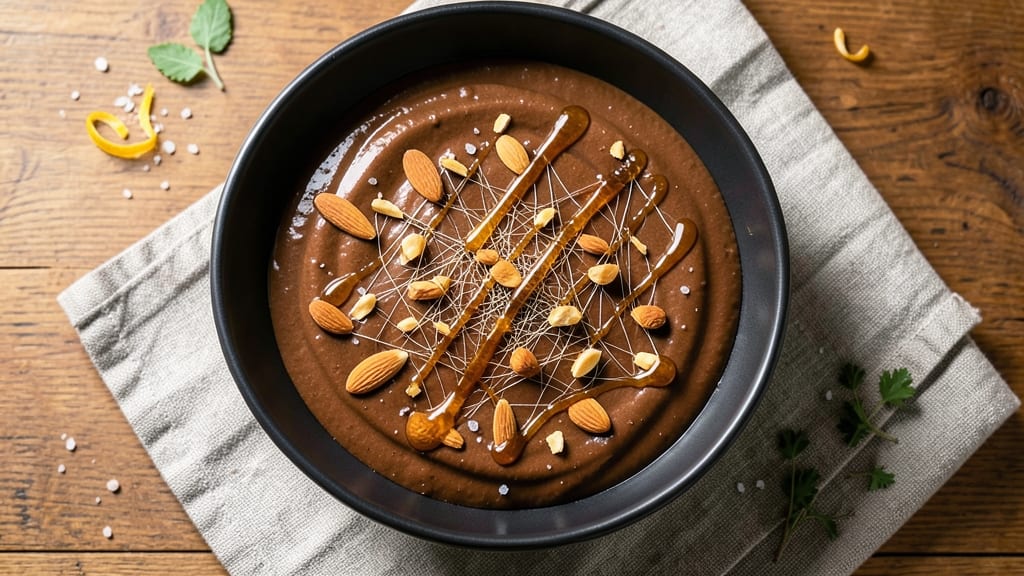
This carob powder chocolate recipe delivers a rich, fudgy treat that’s naturally caffeine-free and lower in sugar than traditional chocolate bars. The secret lies in blending carob powder with coconut oil and maple syrup for a velvety texture, topped with a crispy nut layer that adds satisfying crunch. I developed this recipe after discovering how carob’s earthy sweetness mimics chocolate’s depth without the bitterness or stimulants.
The result is a dessert that’s perfect for those avoiding chocolate but craving its familiar indulgence. These bars stay moist for days, thanks to the coconut oil base, while the toasted almond topping adds a satisfying contrast.
The recipe also highlights carob’s natural benefits—it’s packed with calcium, iron, and fiber—making it a guilt-free treat that still satisfies chocolate lovers.
What makes this recipe stand out is its versatility. Use it as a base for energy bars, mix-ins for oatmeal, or even a cocoa substitute in baking. The nutty-sweet flavor pairs beautifully with citrus zest or a pinch of cinnamon, elevating it beyond a simple chocolate alternative.
With just 10 minutes of prep and 20 minutes in the oven, you’ll have a batch ready to share—or keep all to yourself.
These bars are ideal for meal prep, gifting, or satisfying late-night cravings without the sugar crash. The carob’s natural sweetness means you won’t miss chocolate, but the texture and richness will fool even the most discerning palates. Let’s make them—your taste buds (and your health) will thank you.
Ingredients for carob powder chocolate
Nine ingredients transform into decadent, guilt-free chocolate bars with rich carob depth and nutty crunch.
| Ingredient | Amount | Notes |
|---|---|---|
| Carob Powder 🍫 | 1 ½ cups | Unsweetened, finely ground |
| Coconut Oil 🥥 | 1 cup | Unrefined, solid at room temp |
| Pure Maple Syrup 🍯 | ¾ cup | Grade B for richer flavor |
| Vanilla Extract 🌿 | 1 tbsp | Pure alcohol-free preferred |
| Sea Salt 🧂 | ½ tsp | Fine grain for balance |
| Raw Almonds 🥜 | 1 ½ cups | Sliced thin for crispy topping |
| Ground Flaxseed 🌾 | 2 tbsp | For binding, mix with water |
| Cinnamon 🌿 | 1 tsp | Ceylon preferred for delicate flavor |
| Orange Zest 🍊 | 1 tbsp | Freshly grated for brightness |
| Cocoa Powder 🍫 | ¼ cup | Optional for deeper chocolate notes |
| Filtered Water 💧 | ½ cup | For flaxseed mixture |
Carob powder is the star—Bob's Red Mill or NOW Foods brands deliver the finest texture. Grab the unsweetened version (sweetened adds unnecessary sugar). For the coconut oil, unrefined virgin gives that subtle tropical note, while refined stays neutral. Maple syrup quality matters here: Grade B has that caramelized depth that mimics chocolate's complexity. I always double-check the label for pure maple—no maple-flavored syrup substitutes. The vanilla extract? Alcohol-free if you're sensitive to that hint of booze, though traditional works fine too. Toast your almonds lightly before slicing—they should be golden, not browned, for that perfect crunch.
No carob powder? Substitute with 1 cup cocoa powder plus 1 tbsp extra maple syrup, but the flavor won't be identical—carob's earthy sweetness is unique. Running low on almonds? Cashews or pecans work beautifully, though texture will vary slightly. The flaxseed mixture is non-negotiable for binding (no egg substitutes needed here). For extra richness, add 1 tbsp tahini to the base mixture. The orange zest can be swapped for lemon or lime, but orange pairs perfectly with carob's natural sweetness. Want more chocolate flavor? Add 1 tbsp instant coffee granules to the base for a mocha twist—trust me on this one.
These bars keep for 1 week in an airtight container at room temperature, or 3 months frozen. I portion mine into individual squares right after baking—they stay fresh longer that way. For extra crispiness, toast the nut topping for 2-3 minutes before pressing it on top. The bars reheat beautifully in the microwave for 10 seconds if they lose their fudgy texture. Store the carob powder in a cool, dark place to preserve its freshness—it's sensitive to light and heat. The maple syrup? Keep it in the pantry, but once opened, transfer it to a smaller jar to minimize air exposure.
Why You'll Love This Recipe
- Here’s what sold me: that deep, molasses-like sweetness from carob actually tastes like chocolate’s sophisticated cousin—just without the caffeine crash. The sea salt? It’s the secret weapon that makes every bite taste like a fancy dessert, not a health hack.
- No-Mess Mixing: I swear by this recipe because it’s just stir-and-go—no melting, no tempering, no stress. Toss carob powder with melted coconut oil, a splash of maple syrup, and vanilla, then let it set. Fifteen minutes of active time, and you’re done.
- Rich Without Guilt: Here’s what sold me: that deep, molasses-like sweetness from carob actually tastes like chocolate’s sophisticated cousin—just without the caffeine crash. The sea salt? It’s the secret weapon that makes every bite taste like a fancy dessert, not a health hack.
- Pantry Staple Magic: Between us, this recipe turns five things you probably already own into something magical. Need a gift? Wrap it. Running low on treats? Break it. Even my picky teenager grabs it before I do—(yes, even on a Tuesday night).
Step-by-step instructions for nutty-sweet carob bars
Transform simple ingredients into rich, fudgy bars with a satisfying crunch—no refined sugar needed.
Prepare the Flaxseed Binding Mixture
In a small bowl, whisk together the 2 tablespoons ground flaxseed and 0.5 cup filtered water. Let it sit for 10 minutes—you'll see it thicken into a gel-like consistency. This is your natural binder, replacing eggs entirely. The mixture should resemble raw egg whites in viscosity, holding together when you lift the spoon.
Real talk: if you skip this step, your bars will crumble. The flaxseed creates that perfect chewy texture while keeping everything cohesive. Stir occasionally during the waiting time to ensure even distribution.
Melt and Combine Wet Ingredients
In a medium saucepan over low heat, gently melt the 1 cup coconut oil until fully liquid but not smoking. Remove from heat and stir in the 0.75 cup pure maple syrup, 1 tablespoon vanilla extract, and 0.5 teaspoon sea salt. The mixture should be smooth and glossy—this is your base.
Here's the thing—coconut oil can separate if heated too quickly. If you see any separation, simply stir gently until it recombines. Add the 1 tablespoon orange zest and 1 teaspoon cinnamon, mixing until the spices are evenly distributed. The citrus notes will brighten the carob's earthiness beautifully.
Incorporate Dry Ingredients
In a large mixing bowl, combine the 1.5 cups carob powder and 0.25 cup cocoa powder (if using). Create a well in the center and pour in the melted coconut oil mixture. Add the flaxseed gel and stir vigorously with a spatula until you achieve a thick, fudgy batter that clings together when pressed.
This is where texture magic happens. You're looking for a consistency similar to thick cookie dough—it should hold its shape when you press a spoonful between your fingers. If it's too dry, add 1 teaspoon filtered water at a time until it reaches the perfect consistency.
Layer and Press the Bars
Line an 8x8-inch baking dish with parchment paper, leaving an overhang for easy removal. Press half of the carob mixture firmly into the bottom of the pan using a spatula or your hands. I like to use a bench scraper for even distribution—it creates that professional-looking smooth surface.
For the crunchy topping, pulse the 1.5 cups raw almonds in a food processor until they resemble coarse crumbs. Sprinkle half of these almond crumbs over the first layer, then add the remaining carob mixture. Top with the remaining almond crumbs and press down gently—this creates that satisfying crunch with every bite.
Chill and Set for Perfect Texture
Cover the baking dish with plastic wrap and refrigerate for at least 4 hours (overnight is ideal). This chilling time is crucial—it allows the carob to set properly, developing that perfect fudgy texture without becoming grainy. The bars should firm up enough to cut cleanly with a sharp knife.
When ready to serve, cut into 12 equal bars using a hot knife (quickly dip in hot water and wipe dry between cuts). The contrast of the creamy carob center with the crunchy almond topping makes these bars irresistible. Store leftovers in the refrigerator for up to 5 days or freeze for longer storage.
Pro Tips For Making Carob Powder Chocolate
- Temper the Coconut Oil: Melt the coconut oil just until it’s liquid—no higher than 100°F (38°C)—or it’ll seize up when mixed with carob powder. I learned this after watching my first batch turn into a grainy paste. Use a double boiler or microwave in 20-second bursts, stirring between each.
- Sift the Carob First: Carob powder clumps like a stubborn toddler. Sift it through a fine-mesh sieve before measuring to avoid dense, uneven chocolate. Trust me, your end texture will be smoother—no one likes gummy carob blobs.
- Whisk in the Maple Syrup: Add the maple syrup slowly while whisking vigorously to prevent sugar crystallization. I used to dump it all at once, and my chocolate turned grainy. Think of it like making hot chocolate—patience here makes the difference.
- Salt Last, Taste Twice: Sprinkle the sea salt after everything else is mixed, then taste and adjust. Carob’s naturally bitter, so you might need more salt than you think. I skip this step half the time and regret it—your future self will notice.
Pro cooking tips for perfect results
Carob Texture Secrets
Carob powder behaves differently than cocoa—it needs gentle handling to avoid graininess. Always sift it through a fine-mesh sieve before mixing to break up any clumps. I use a Mesh King Fine Sifter for perfect results.
The key is to incorporate it into the warm (not hot) coconut oil mixture gradually, whisking constantly to prevent lumps. If your batter looks dry, add 1 teaspoon filtered water at a time until it reaches a thick, spreadable consistency. 💫
Coconut Oil Tricks
Never melt coconut oil on high heat—it burns easily and can develop an off-flavor. Use low heat and stir constantly until fully liquid. For extra richness, I sometimes replace ¼ cup of the coconut oil with ¼ cup tahini, which adds a nutty depth that pairs perfectly with carob.
If your mixture separates, simply reheat it gently until smooth again—this happens more often than you'd think!
Flaxseed Binding Hacks
The flaxseed gel is your secret weapon for texture. For best results, use Bob's Red Mill ground flaxseed, which has a finer grind than many store brands.
If you're in a hurry, you can reduce the waiting time to 5 minutes, but the longer it sits, the stronger the binding effect. Pro tip: If your mixture feels too sticky after adding the flax gel, sprinkle in 1 tablespoon more carob powder to absorb excess moisture.
Nut Topping Perfection
Toast your almonds just until golden before pulsing them—this enhances their flavor and prevents them from turning bitter. For a finer crumb, pulse in 2-second bursts in your food processor. If you want extra crunch, press the almond topping down firmly before chilling.
I like to use a small rolling pin to create even pressure. For variety, try mixing in 1 tablespoon sesame seeds or chopped dried cranberries with the almonds.
Chilling Time Matters
Don't rush the 4-hour chill time—this is when the carob develops its signature fudgy texture. If you're short on time, place the baking dish in the freezer for 1 hour, then transfer to the fridge to finish chilling.
For extra insurance against cracking, tap the baking dish gently on the countertop before cutting. The bars should release cleanly from the parchment with minimal sticking. 🥥
Cutting Like a Pro
Use a hot knife technique for perfectly clean cuts: Dip your knife in hot water, wipe dry, then cut through the bars. This prevents the carob from tearing. For even bars, measure 2 inches between cuts using a ruler.
If your bars are too firm after chilling, let them sit at room temperature for 10 minutes before cutting—they'll be easier to slice without crumbling.
Nutrition facts
Frequently asked questions
Why does this carob recipe taste different from chocolate?
Carob has a naturally sweet, nutty flavor with earthy undertones—no bitter or caffeine kick like chocolate. The citrus zest and cinnamon enhance its unique profile, making it taste rich and satisfying without being overpowering. Think of it as a sophisticated alternative with a smoother, more mellow sweetness.
Can I make these bars without nuts?
Swap the almonds for 1.5 cups crushed graham crackers or 1 cup toasted coconut flakes for a nut-free crunch. For extra texture, try 1 cup puffed quinoa or chopped dried fruit like apricots. Just adjust the topping quantity to maintain the same layer thickness.
How do I store these bars for maximum freshness?
Keep them in an airtight container in the fridge for up to 5 days or freeze for 3 months. For best texture, let bars sit at room temperature for 10 minutes before eating after refrigeration. The coconut oil base helps prevent drying, but storing them in the fridge extends freshness longer than room temperature.
What's the best way to reheat these bars?
Microwave for 10-15 seconds to restore fudgy texture, or warm in a 200°F oven for 5 minutes if you prefer a crispier topping. Avoid high heat—it can make the coconut oil separate. For serving, I like to sprinkle with extra cinnamon or a drizzle of melted coconut oil for freshness.
Can I use this recipe for other desserts?
Yes! This carob mixture works perfectly for truffles, energy balls, or as a cocoa substitute in baking. For truffles, roll the chilled mixture into balls and coat with shredded coconut or cocoa powder. The flaxseed binding keeps everything cohesive—just adjust sweetness to taste for different applications.